Top Vineyard Hotel Plans: A Definitive 2026 Guide to Viticultural Design
The development of an integrated viticultural estate is a masterwork of structural alignment and biological timing. Unlike conventional urban development, where the site is an inert platform for architecture, a vineyard hotel is a living ecosystem where every decision—from the orientation of guest suites to the location of the wastewater system—impacts the delicate chemistry of the vintage. To plan such an endeavor is to manage a multi-generational asset that must simultaneously satisfy the rigid requirements of agricultural production and the fluid expectations of luxury hospitality.
As we move through 2026, the industry is seeing a shift from “wine tourism” to “agriluxury.” This evolution demands that top vineyard hotel plans move beyond the Mediterranean-villa clichés of the early 2000s. Today’s travelers seek an “unseen integration” where sustainability is a functional baseline, and the guest experience is woven into the rhythm of the harvest. However, the complexity of this integration is often underestimated by developers who view the vineyard as mere landscaping rather than a volatile, revenue-generating manufacturing floor.
The purpose of this article is to provide a rigorous framework for navigating the intersection of hospitality and viticulture. We will examine the conceptual mental models used by leading architects, the operational failure modes that threaten long-term profitability, and the economic dynamics that dictate site viability. This is not a guide for building a hotel next to a farm; it is a definitive reference for synthesizing two disparate industries into a single, cohesive, and resilient brand identity.
Understanding “top vineyard hotel plans”
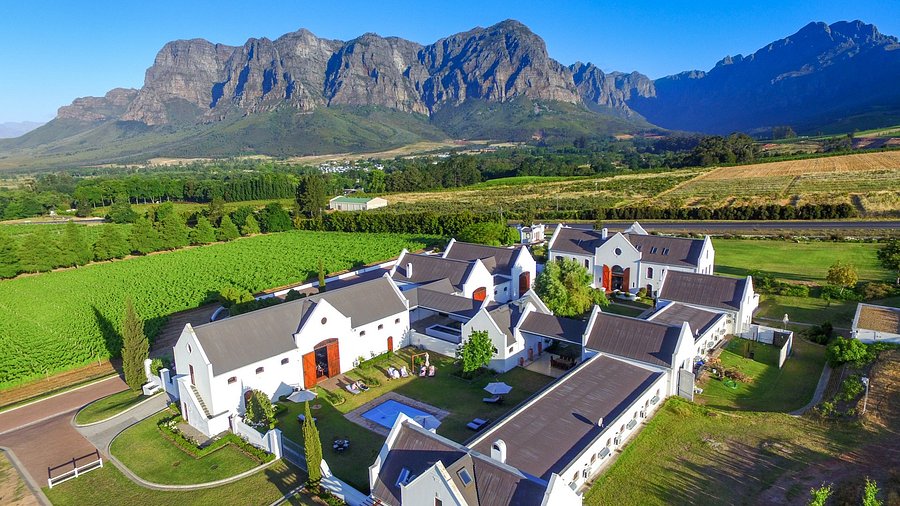
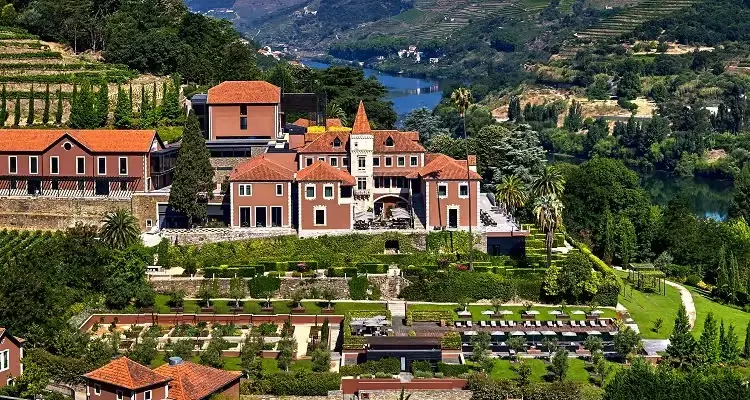
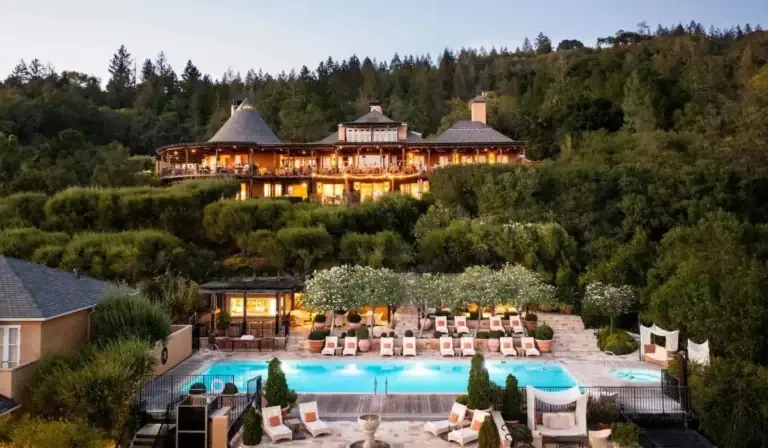
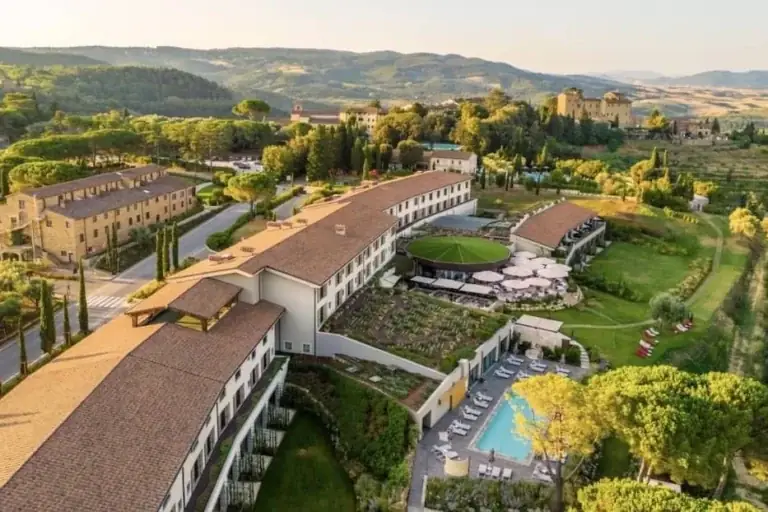
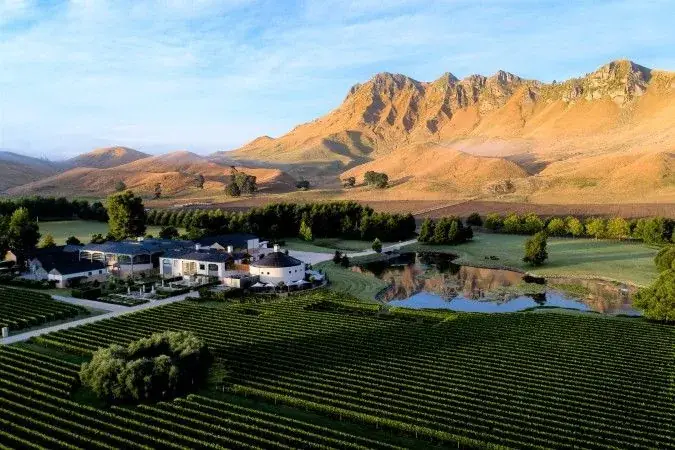
To grasp the true scope of top vineyard hotel plans, one must distinguish between “Vineyard-Adjacent” and “Viticulturally Integrated” design. A common misunderstanding in the development phase is that the hotel and the vineyard can operate as separate silos. In reality, a world-class plan treats the vineyard as the “infrastructure” and the hotel as the “interface.” If the guest experience is not mechanically linked to the terroir, the property risks becoming a generic resort in a green field—a failure of brand authority that leads to decreased ADR (Average Daily Rate) and lower brand loyalty.
The oversimplification risk lies in treating the vineyard purely as an aesthetic asset. A vineyard is an industrial zone. It involves heavy machinery, chemical spraying (even in organic models), and 4:00 AM harvests that produce significant noise. Top vineyard hotel plans must mitigate these “Agricultural Friction” points through clever site topography and sound-shed modeling. If a guest is woken by a tractor at dawn, the luxury promise is broken; if the viticulturist cannot spray because of guest proximity, the crop is at risk. Planning authority lies in the seamless reconciliation of these conflicting needs.
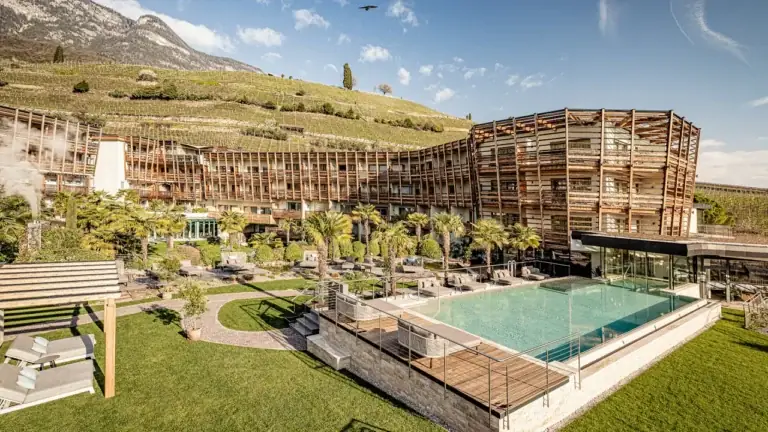
Furthermore, these plans must address the “Biophilic Gap.” While guests want to be “immersed” in the vineyard, they also require controlled climates and insect-free environments. Modern planning utilizes “Transition Zones”—elevated boardwalks, glass-walled pavilions, and sunken courtyards—to provide the sensation of being in the vines without the physical discomfort of the field. This architectural sleight-of-hand is the hallmark of a sophisticated development plan.
Historical and Systemic Evolution of Vineyard Lodging
The trajectory of vineyard hospitality has transitioned from accidental to intentional. Historically, “vineyard hotels” were simply farmhouses where extra rooms were let out to traveling merchants. In the 1970s and 80s, the Napa Valley model introduced the “Tasting Room as Destination,” but lodging remained largely secondary or localized in nearby towns. The 1990s saw the birth of the “Winery Resort,” which often prioritized grandeur over agricultural authenticity, creating the “faux-chateau” era.
By 2015, the “Boutique Era” emerged, focusing on minimalist architecture that showcased the landscape. However, as we enter the “Regenerative Era” of 2026, the focus has shifted to Systemic Stewardship. Modern plans now incorporate gravity-flow winery designs that reduce energy consumption and greywater recycling systems that irrigate the vines. The evolution is no longer just about the guest’s comfort; it is about the hotel’s role in the regional viticultural ecosystem.
Conceptual Frameworks and Mental Models
Successful planning requires a shift from standard hospitality thinking to “Agricultural-Hospitality Synthesis.”
1. The “Gravity-Flow” Hierarchy
This framework, borrowed from winemaking, dictates that the guest journey should mimic the wine’s journey—moving from the heights of the vineyard (viewing/check-in) down through the “aging” process (relaxation/spa) to the final “tasting” (dining/cellar). It prioritizes site topography to reduce mechanical reliance.
2. The “Buffer Zone” Calculation
This mental model establishes the minimum distance required between an active vineyard and a guest suite to prevent pesticide drift and noise pollution. It varies based on wind direction and mechanical harvesting methods, but it is the primary driver of site density.
3. The “Terroir Integration” Matrix
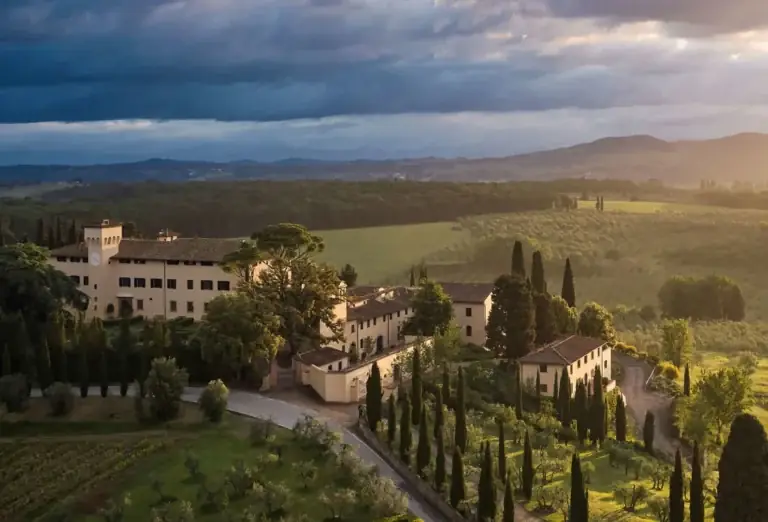
This model evaluates every architectural material against the local soil and climate. If the vineyard produces mineral-heavy volcanic wines, the hotel architecture should utilize basalt and dark stone. This creates a subconscious “flavor-visual” alignment that reinforces brand authority.
Key Categories of Vineyard Hospitality Architecture
The geography of the vineyard dictates the structural limitations and opportunities of the hotel plan.
Decision Logic: Centralization vs. Dispersion
When reviewing top vineyard hotel plans, developers must choose between a “Hub and Spoke” model (one central building) or “Dispersed Habitation” (individual villas). Centralization is vastly more efficient for labor and utilities,s but dispersion commands a 40% premium in room rates. The decision is usually dictated by the “Harvest Window”—if the harvest requires 24/7 activity near the center, dispersed units are safer for the guest experience.
Detailed Real-World Scenarios and Operational Realities
The “Harvest Conflict” Resolution
-
Context: A luxury estate in Bordeaux during an early-September harvest.
-
The Constraint: Harvesting must occur at 3:00 AM to preserve grape acidity.
-
The Strategy: The plan utilizes “Acoustic Berms”—man-made hills between the winery entrance and the guest suites.
-
Failure Mode: Failure to plan the “Tractor Path.” If tractors must drive past room windows to reach the crushing pad, the luxury rating will collapse regardless of interior design.
The “Water Scarcity” Adaptation
-
Context: A dry-farmed vineyard in Paso Robles.
-
The Constraint: Local zoning prohibits using well water for hotel irrigation.
-
The Strategy: Integrated “Living Machines”—natural wastewater treatment systems that use reed beds to clean hotel sewage for use on the non-commercial “decorative” vineyard near the lobby.
-
Second-Order Effect: Increased biodiversity, attracting birds and insects that may require additional guest education or physical screening.
Planning, Cost, and Resource Dynamics
The “Vineyard Premium” adds a layer of cost that standard luxury hotels do not face. Infrastructure must be split between agricultural-grade and hospitality-grade.
Opportunity Cost: Every square meter of hotel foundation is a square meter of lost grape production. In high-value AVAs (American Viticultural Areas), the “lost vintage” value must be factored into the ROI of the room count.
Tools, Strategies, and Support Systems
Modern vineyard hotel operations rely on a specific technological and strategic stack:
-
Soundscape Modeling: Software used during the planning phase to predict tractor noise levels at the guest pillow.
-
Sap-Flow Sensors: IoT devices that signal when vines are stressed; this data is often displayed in the hotel lobby as a “Living Terroir” exhibit.
-
Macerating Waste Systems: Necessary for properties with high elevation changes between suites and the treatment plant.
-
Flexible PEX and Heat-Tracing: Essential for vineyards in “Frost-Pocket” zones to prevent frozen pipes during extreme viticultural cold events.
-
Bird-Safe Glass (Fritted): High-end vineyards attract birds; glass-heavy hotels must prevent collisions to maintain ethical “Stewardship” standards.
-
Low-Voltage “Dark Sky” Lighting: Prevents the disruption of the vineyard’s nocturnal ecosystem and preserves the “starlight” experience for guests.
Risk Landscape and Failure Modes
Vineyard hotels face a unique “Compounding Risk” profile where agricultural failure and hospitality failure are linked.
-
Pest-Hospitality Paradox: A healthy vineyard naturally attracts wasps, bees, and birds. A “failure” occurs when the hotel management uses heavy chemicals to clear pests for guests, inadvertently damaging the vineyard’s organic certification or the wine’s flavor profile.
-
Zoning “Entrapment”: Many jurisdictions allow vineyard hotels only as “accessory uses” to agriculture. If the vineyard fails or is neglected, the hotel’s operating permit can be revoked.
-
The “Monoculture Trap”: Designing a hotel around a single grape variety (e.g., Pinot Noir) is risky. If a specific blight or climate shift makes that grape unviable, the “Brand Story” of the hotel is fundamentally broken.
Governance, Maintenance, and Long-Term Adaptation
The “Stewardship Ledger” for a vineyard hotel is more complex than a standard preventative maintenance schedule. It requires a “Dual-Track” approach.
The “Sylvan-Viticultural” Checklist:
-
Monthly: Check “Drift Guards” on HVAC intakes to ensure vineyard sprays haven’t compromised air quality.
-
Quarterly: Calibrate the “Wine Storage Matrix”—the automated sensors that manage temperature and vibration in the guest cellars.
-
Annually: Perform a “Root Zone Audit”—checking if hotel utility leaks or foot traffic are suffocating the vines near the foundation.
-
Decadal: Evaluate “Terroir Drift”—adjusting hotel heating/cooling strategies as the local microclimate shifts, affecting both vine phenology and guest comfort.
Measurement, Tracking, and Evaluation
How do we quantify the success of top vineyard hotel plans?
-
The “Immersion Index”: A qualitative guest metric measuring how “connected” they felt to the winemaking process without experiencing physical agricultural friction.
-
Leading Indicator: “Vigor Balance.” If the vines near the hotel are too vigorous (due to hotel runoff), it signals a plumbing or drainage failure before a leak is visible.
-
Lagging Indicator: “Direct-to-Consumer (DTC) Conversion.” The ultimate metric of a vineyard hotel is the percentage of guests who join the wine club or purchase a case post-stay.
-
Documentation: Properties should maintain a “Site Heritage Log” that tracks the co-evolution of the architecture and the vine age.
Common Misconceptions and Industry Myths
-
Myth: “The smell of fermenting grapes is a romantic guest amenity.”
-
Correction: In reality, large-scale fermentation produces high levels of CO2 and can smell strongly of sulfur or wet yeast, which can be overwhelming. Planning must isolate these scents from dining areas.
-
-
Myth: “Any scenic vineyard can host a luxury hotel.”
-
Correction: Modern luxury requires high-speed data, extreme water volumes, and fire-truck access—infrastructure that many remote, scenic vineyards cannot support without catastrophic cost.
-
-
Myth: “Vineyards are quiet places.”
-
Correction: Between bird-scaring cannons, wind machines for frost protection, and nighttime harvest, a vineyard is often louder than a city street during peak windows.
-
-
Myth: “The hotel is the main revenue driver.”
-
Correction: On many estates, the hotel serves primarily as a “Customer Acquisition Tool” for the wine brand, which has higher margins and lower labor costs over the long term.
-
Ethical, Practical, and Contextual Considerations
The ethics of the Vineyard Hotel revolve around “Land Sovereignty.” Developers must consider whether the hotel displaces local agricultural workers or inflates land prices to the point where small-scale viticulture is no longer viable. Top vineyard hotel plans often include “Worker Housing Integration”—high-quality on-site lodging for vineyard crews that mirrors the architectural language of the guest units. This prevents the “Gated Community” feel and ensures a resilient local labor force.
Conclusion: The Synthesis of Viticulture and Luxury
The maturation of the vineyard hotel market represents a move toward a more “Intellectual” form of luxury. Guests are no longer satisfied with a view of the vines; they want to understand the geology of the soil, the mechanics of the press, and the ethics of the labor. A successful plan facilitates this understanding without compromising the sanctity of the guest experience.
As we look toward the next decade, the most authoritative plans will be those that view the hotel not as a building, but as a “Biological Node”—a structure that cleans the water it uses, generates the energy it consumes, and enhances the soil it sits upon. In this context, the “plan” is never truly finished; it is a living document that must adapt as the vines age and the climate shifts. The ultimate judgment of a vineyard hotel plan is not found in the architectural awards it wins, but in the quality of the wine it produces and the resilience of the ecosystem it protects.