Top Wine Resort Options: 2026 Reference for Integrated Viticultural Stays
The landscape of luxury viticultural hospitality has undergone a radical transformation over the last decade, evolving from a secondary agricultural byproduct into a primary driver of regional economic identity. The modern wine resort is no longer merely a hotel situated near a vineyard; it is a sophisticated, integrated ecosystem where the rhythms of oenology and high-end service must coexist in a delicate, often precarious, balance. This synthesis requires a deep understanding of both the biological volatility of the vine and the fluid expectations of the global luxury traveler.
Navigating this sector requires moving beyond the superficial charm of rolling hills and barrel rooms to examine the structural and operational dependencies that define true authority. A world-class wine destination is a study in “Agricultural Synchronization”—the ability to maintain a silent, odor-neutral luxury environment while just yards away, a high-intensity manufacturing process involving heavy machinery, organic fermentation, and rigorous chemical management is in full swing. This inherent friction is the primary challenge for developers and the defining characteristic for discerning guests.
As we move through 2026, the industry is seeing a pivot toward “Regenerative Viticulture” and “Biophilic Integration.” The top tier of properties is those that view their lodging assets as a tool for land stewardship rather than just a revenue generator. For the strategist or the traveler, evaluating these spaces involves a multidimensional analysis of terroir, architectural acoustics, and the ethical footprint of the estate. This article serves as a definitive framework for deconstructing the complexities of viticultural lodging, moving past the marketing gloss to provide an analytical reference for the industry’s most robust models.
Understanding “top wine resort options”
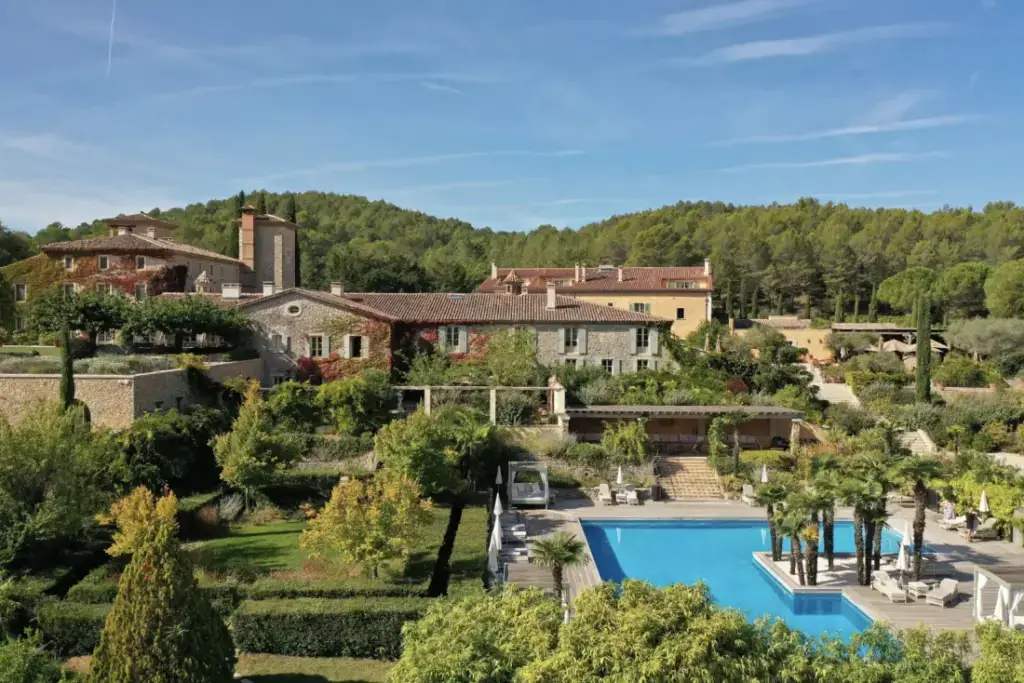
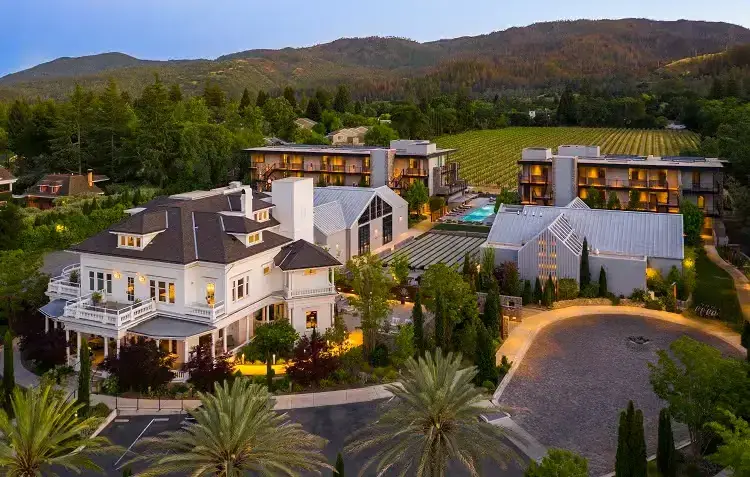
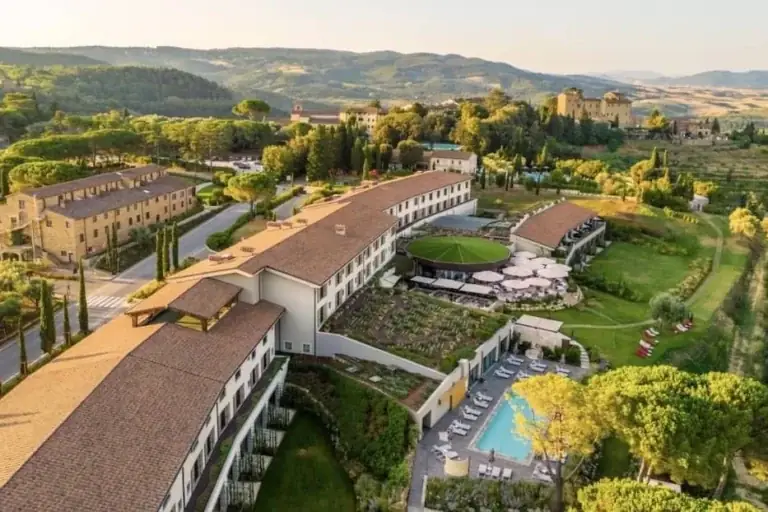
To grasp the full scope of top wine resort options, one must first dismantle the prevailing industry conflation between “vineyard-adjacent” properties and “viticulturally integrated” assets. A property that sits on the edge of a grape-growing region but sources its fruit from third parties is a hospitality business with a view. In contrast, an integrated resort is one where the hotel, the winery, and the land share a singular metabolic cycle. The former is a marketing exercise; the latter is a structural and biological commitment.
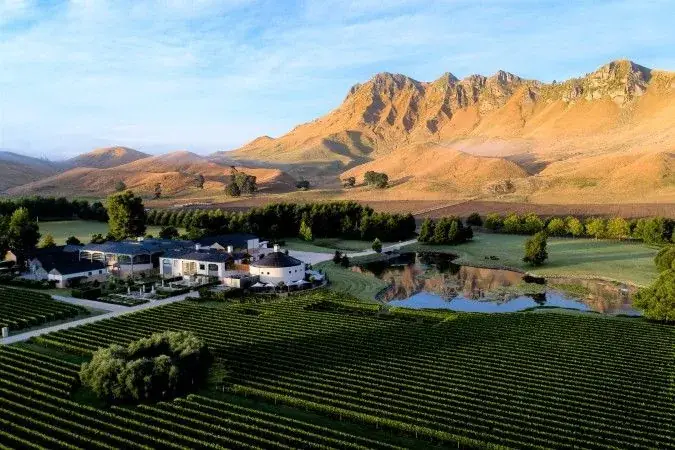
A common misunderstanding in the planning phase is the “Terroir Interface” paradox. Developers often attempt to sanitize the agricultural experience for the guest, removing the “industrial” aspects of winemaking like the crush pads or tractor sheds. However, professional analysis of the sector in 2026 suggests that true authority lies in “Controlled Exposure.” Guests do not want a generic resort; they want a room that effectively disappears into the trellis system, prioritizing the health of the root zone and the sensory authenticity of the harvest over the silhouette of the building itself.
Oversimplification in this sector often ignores the “Industrial Residue” of viticulture. A winery is, fundamentally, a factory. It produces heat, noise, and significant organic waste. Top options manage this through “Siting Logic.” If a guest is woken by a mechanical harvester at 3:00 AM, the luxury promise is broken; yet, if the viticulturist cannot farm because of guest proximity, the primary agricultural asset is at risk. Authority in this sector is defined by the invisible reconciliation of these two forces—the ability to be “in the vines” without suffering the “friction of the farm.”
Historical and Systemic Evolution of the Viticultural Estate
The trajectory of wine-centric lodging has transitioned through several distinct technological and cultural epochs. Historically, “vineyard hotels” were simple agritourism outposts—repurposed farmhouses where travelers could sleep among the workers. These were functional, not aspirational. The 1970s and 80s saw the birth of the “Winery Destination” in regions like Napa Valley and Bordeaux, where the tasting room became a monument, but lodging remained largely detached in nearby towns.
By the early 2000s, the “Boutique Era” emerged, introducing minimalist architecture designed to frame the landscape. This was the first time that “view-sheds” were calculated as a primary architectural value. However, these were often still “parasitic” structures that took from the land without contributing to the agricultural cycle.
As of 2026, we have entered the “Regenerative Synthesis.” Modern top-tier options are designed with “Vertical Integration” in mind. This means the hotel architecture participates in the vineyard’s hydrological cycle, using greywater systems for irrigation and utilizing “Thermal Mass” from subterranean wine caves to regulate guest-room temperatures. The evolution is moving from a model of observing the vineyard to inhabiting the vineyard’s biological systems.
Conceptual Frameworks and Mental Models
To evaluate or design a flagship viticultural asset, industry leaders apply specific mental models that ensure systemic resilience.
1. The “Olfactory Sound-Shed” Model
This framework evaluates the site based on prevailing wind patterns and chemical drift. It dictates that hotel intake vents be positioned “Upwind and Upslope” from fermentation tanks. This ensures the pungent, acidic scent of early fermentation—heavy with CO2 and esters—does not penetrate guest suites during the critical six-week harvest window.
2. The “Microbial Continuity” Model
A vineyard is a delicate microbiome. This model assesses whether hotel landscaping introduces invasive ornamental plants that could disrupt the native yeast populations required for “wild-ferment” winemaking. Top-tier plans prioritize endemic vegetation to ensure the winery’s microbial profile remains uncorrupted by hospitality-driven aesthetics.
3. The “Gravity-Flow” Hierarchy
Borrowed from winemaking architecture, this model dictates that the guest journey should mimic the wine’s journey—moving from the heights of the vineyard (check-in) down through the “aging” process (relaxation/spa) to the final “tasting” (dining/cellar). It utilizes site topography to reduce mechanical reliance, aligning the human experience with the physics of the land.
Key Categories of Wine Resort Architecture
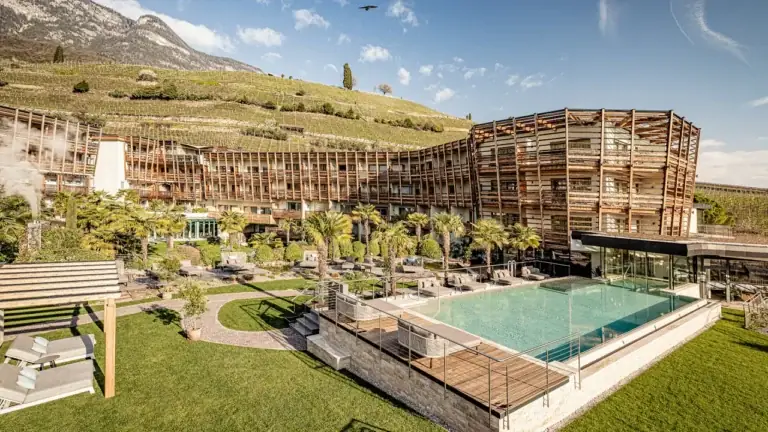
The geography of the vineyard dictates the structural trade-offs required for a successful installation. Architecture is not merely aesthetic; it is a response to the “Terroir Constraint.”
Decision Logic: The “Harvest Interference” Ratio
When selecting among top wine resort options, developers and travelers must weigh “Immersion” against “Autonomy.” A “Dispersed Casita” plan offers the highest nightly rate but makes nighttime mechanical harvesting almost impossible without disturbing guests. Conversely, “Subterranean In-Fill” allows the vineyard to be farmed right up to the roofline, providing the ultimate “hidden” experience, though it requires massive capital for waterproofing and soil-pressure management.
Detailed Real-World Scenarios and Operational Realities
The “Harvest Conflict” Resolution
In a luxury estate in the Douro Valley, mechanical harvesting must occur at 3:00 AM to preserve grape acidity. The hotel plan utilizes “Acoustic Berms”—man-made hills—to shield guest suites. Failure to plan the “Tractor Path” away from room windows results in catastrophic guest satisfaction scores during the estate’s most profitable month.
The “Sulfur Drift” Mitigation
Standard vineyard maintenance requires organic sulfur spraying to prevent mildew. In a high-end property, the hotel’s intake vents were not equipped with carbon filtration during a spray cycle. The second-order effect was a 50% refund rate for that weekend. Sophisticated options now incorporate “Wind-Aware HVAC” systems that automatically seal intakes based on the vineyard’s activity schedule.
The “Root Compaction” Failure
A modernist hotel built directly over a legacy Pinot Noir block used heavy concrete walkways. The weight of guest foot traffic and the concrete’s alkaline runoff altered the soil pH. The result: the vines within 50 feet of the hotel showed signs of “nitrogen lock,” producing fruit that was too acidic for the estate’s flagship bottling.
Planning, Cost, and Resource Dynamics
The economics of the wine resort are defined by the “Vertical Tax.” Construction costs are typically 300% higher than ground-based cabins due to specialized labor and the inability to use heavy machinery in sensitive root zones.
Opportunity Cost: Every square meter occupied by a hotel foundation is a square foot of lost grape production. In high-value regions like Saint-Émilion or Oakville, the “lost vintage” revenue over a 50-year horizon must be calculated into the ROI of the room count.
Tools, Strategies, and Support Systems
Modern operations rely on a specific technological and strategic stack to bridge the gap between “Wild” and “Refined.”
-
Dendrometers: IoT sensors that monitor the vine’s hydration in real-time, often shared with guests via an “Estate Health Dashboard.”
-
Macerating Waste Systems: Necessary for properties with high elevation changes between suites and the treatment plant to avoid massive excavation.
-
Greywater Bioreactors: Systems that treat hotel wastewater for use in vineyard irrigation, creating a closed-loop hydrological system.
-
Bird-Safe Fritted Glass: Patterns that prevent bird-strike deaths in properties that act as avian corridors.
-
Low-Voltage “Dark Sky” Lighting: Prevents the disruption of the vineyard’s nocturnal ecosystem.
-
Sap-Flow Sensors: Providing data on when vines are stressed, signaling the need for precision irrigation.
-
Acoustic Modeling Software: Used during construction to predict how tractor noise will bounce off hillside surfaces
Risk Landscape and Failure Modes
The primary risks in this sector are rarely structural collapse but rather “Biological Rejection.”
-
Host Senescence: The natural aging and death of the vines. If the vines near the hotel die due to soil compaction or poor drainage, the “Vineyard View” asset is lost, and replacement vines will take 5–7 years to reach visual maturity.
-
Pathogen Transfer: Guests visiting from other wine regions may unknowingly carry pests like Phylloxera on their shoes. Superior properties include “Biosecurity Checkpoints” disguised as luxury arrival experiences (e.g., shoe-cleaning services).
-
The “Monoculture Trap”: Designing a hotel around a single grape variety is risky. If climate shifts make that grape unviable (e.g., Pinot Noir in a warming zone), the “Brand Story” of the hotel is fundamentally broken.
-
Thermal Pollution: Large buildings trap heat. If a resort doesn’t account for the “Heat Island Effect,” it can prematurely ripen surrounding grapes, resulting in flabby, high-alcohol wines.
Governance, Maintenance, and Long-Term Adaptation
Effective governance of a viticultural resort requires a “Dual-Custody” approach where the Vineyard Manager and the General Manager have equal veto power over property operations.
The Stewardship Audit Checklist:
-
Weekly: Monitor “Crush Pad” decibel levels during active fermentation.
-
Monthly: Check “Drift Guards” on HVAC intakes to ensure air quality.
-
Quarterly: Calibrate the “Wine Storage Matrix”—automated sensors in guest cellars.
-
Annually: “Root Zone Audit”—checking if hotel utility leaks are suffocating nearby vines.
-
Decadal: Evaluate “Terroir Drift”—adjusting hotel heating/cooling strategies as the local microclimate shifts.
Measurement, Tracking, and Evaluation
How do we quantify the success of a wine resort beyond its nightly rate? We look at leading and lagging indicators.
-
Leading Indicator: “The Biodiversity Index.” A successful property should see an increase in native predatory insects (which replace chemical pesticides) within the hotel’s landscaping.
-
Lagging Indicator: “DTC (Direct-to-Consumer) Conversion.” The ultimate metric is the percentage of guests who become long-term wine club members post-stay.
-
Qualitative Signal: “Sensory Cohesion.” Does the food in the restaurant share the same geological signature as the wine in the glass?
-
Documentation: Properties should maintain a “Site Heritage Log” tracking the co-evolution of the vine age and the building’s patina.
Common Misconceptions and Industry Myths
-
Myth: “The smell of fermentation is romantic.”
-
Correction: In reality, concentrated CO2 and pungent esters can be overwhelming. Professional options treat the winery as an industrial zone with high-performance air filtration.
-
-
Myth: “Modern glass architecture is the best way to see the vines.”
-
Correction: Excessive glass creates a “Light Pollution” issue at night, disrupting the vines’ nocturnal respiration cycles.
-
-
Myth: “Vineyards are quiet places.”
-
Correction: Between bird-scaring cannons, wind machines for frost protection, and nighttime harvest, a vineyard is often louder than a city street during peak windows.
-
-
Myth: “The hotel is the main revenue driver.”
-
Correction: On many estates, the hotel serves primarily as a “Customer Acquisition Tool” for the wine brand, which carries significantly higher margins.
-
Ethical, Practical, and Contextual Considerations
The ethics of the wine resort revolve around “Land Sovereignty” and “Resource Competition.” In regions like drought-stricken California or South Africa, the water used for a luxury guest’s 20-minute shower is water taken from the vines. Top wine resort options in 2026 are those that have achieved “Water Neutrality,” recycling 100% of guest water back into the agricultural system. Furthermore, the displacement of local agricultural workers by hospitality staff is a growing concern; properties that provide high-quality on-site housing for vineyard crews are showing higher long-term resilience and better labor relations.
Conclusion: The Future of Terroir-Driven Hospitality
The maturation of the wine resort market represents a significant achievement in “Intellectual Luxury.” We are moving away from themed lodging toward “Systemic Immersion.” A successful property is one where the guest leaves with more than a memory of a view; they leave with an understanding of the geological and biological forces that produced the liquid in their glass.
The destinations that will dominate the next decade are those that recognize the hotel not as a competitor to the vine, but as its greatest advocate. When architecture and agriculture are in perfect alignment, the resulting “Terroir Interface” creates a value proposition that is resilient to both economic shifts and environmental challenges. In this context, the “plan” is never truly finished; it is a living document that must adapt as the vines age and the climate shifts.