Best Vineyard Hotels for Weddings: A 2026 Editorial Reference for Global Estates
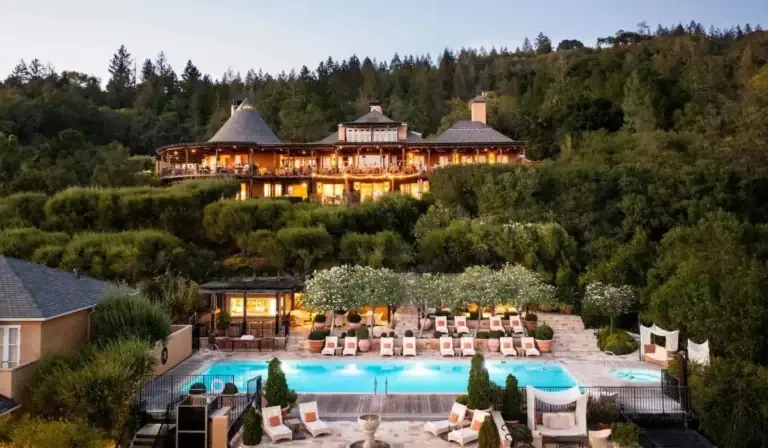
The modern marriage of viticulture and hospitality has evolved far beyond the rustic charm of a simple barn in a field. As we navigate 2026, the search for the best vineyard hotels for weddings has become a pursuit of “Agricultural Sophistication”—a term that describes the seamless integration of a working vineyard’s biological rhythms with the high-stakes precision of a luxury wedding. A premier vineyard hotel is no longer just a backdrop; it is a complex, living ecosystem that provides the legal, logistical, and sensory infrastructure required to sustain a multi-day celebration.
The shift toward these venues is driven by a desire for “Slow Luxury,” where couples prioritize the longevity of the experience over the brevity of the event. In this model, the wedding is not a single evening but a series of curated vignettes: the welcome dinner among the fermentation tanks, the ceremony at the peak of the ripening season, and the farewell brunch in an olive grove. This requires a property to function simultaneously as an industrial food-production site and a five-star hospitality asset, a duality that only a few global estates truly master.
Analyzing these options necessitates looking beneath the “Instagrammable” surface to understand the operational resilience of the estate. The true authority of a vineyard hotel lies in its “Frictionless Integration”—the ability to host a 200-person formal dinner while the vineyard team manages a critical midnight harvest just a few hundred yards away. For the discerning planner or couple, the evaluation process must account for soil health, microclimates, and the “Utility Load” that a large-scale event places on rural agricultural infrastructure.
Understanding “best vineyard hotels for weddings”
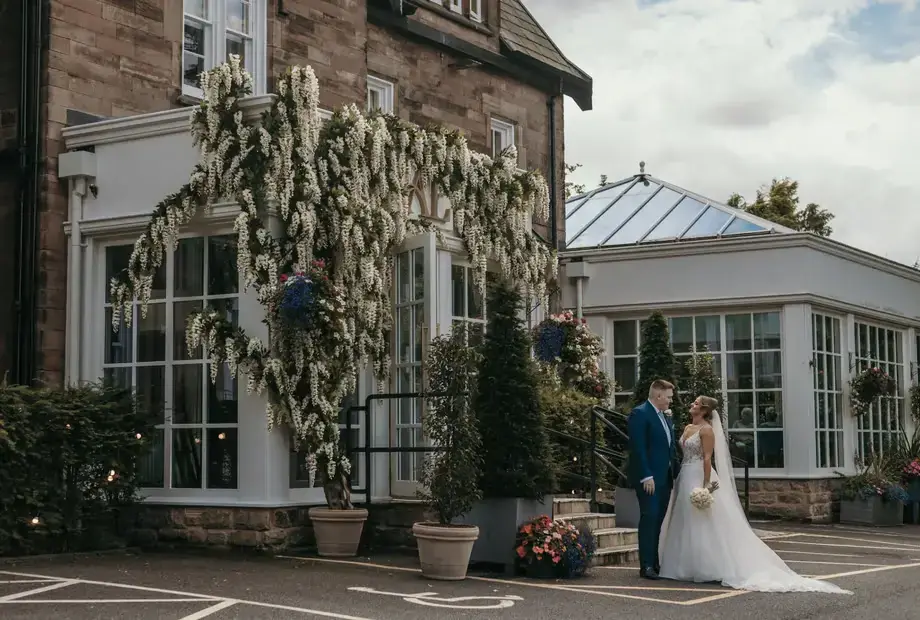
To accurately identify the best vineyard hotels for weddings, one must move past the generic “rustic chic” labels that dominate the lower tiers of the market. A common misunderstanding is the belief that every winery with a lawn is a wedding venue. In reality, a “Vineyard Hotel” is a specific architectural and operational hybrid. It must provide on-site luxury accommodation (reducing the “Transit Tax” on guests) and maintain a “Double-Aisle” capability: the ability to service a high-end guest experience without interrupting the viticultural cycle of the estate.
Oversimplification often leads couples to overlook the “Industrial Footprint” of a working winery. During harvest season, a vineyard is a 24-hour factory. The best options are those designed with “Sensory Zoning”—the strategic separation of industrial odors (fermentation), sounds (tractors and wind machines), and sights from the wedding ceremony and lodging areas. Properties that lack this structural foresight often find their luxury promise compromised by the very agricultural authenticity they sell.
Furthermore, the “Wedding-to-Wine Ratio” is a critical metric for authority. Estates that derive 90% of their revenue from events and 10% from wine often neglect the land, leading to a “Thematic Facade” where the vines are merely ornamental. Conversely, the premier tier consists of “Product-First Estates” where the wedding is an extension of the brand’s viticultural excellence. Guests at these properties aren’t just at a hotel; they are participants in the estate’s legacy, drinking wine that was grown in the soil beneath their feet.
The Systemic Evolution of Viticultural Weddings
Historically, vineyard weddings were casual, localized affairs—typically held in the “Crush Pad” or a family farmhouse. The 1990s saw the rise of the “Napa Model,” which introduced the concept of the winery as a corporate-style event center. However, these venues often felt sterile, functioning more like ballrooms with vines nearby than integrated estates.
By 2026, the industry will have pivoted toward “Bio-Integrated Hospitality.” Modern estates like those found in the Maremma of Tuscany or the Uco Valley of Argentina are built using “Topographical Blending.” This means the hotel and event spaces are often subterranean or tucked into the natural folds of the landscape to minimize their impact on the vineyard’s microclimate and viewshed.
The evolution is moving from “Viewing the Land” to “Inhabiting the Cycle.” We are seeing a rise in “Regenerative Weddings,” where the estate uses the event’s revenue to fund soil carbon sequestration or heirloom grape preservation. The wedding is no longer an isolated commercial transaction; it is a regenerative act that supports the longevity of the agricultural asset.
Conceptual Frameworks for Venue Evaluation
To evaluate the elite tier of vineyard hotels, planners utilize specific mental models that bridge the gap between aesthetics and operations.
1. The “Transit-Intensity” Model
This framework assesses the logistical burden of the venue. A property that offers on-site lodging, ceremony sites, and reception spaces within walking distance eliminates the need for guest shuttles—a major “Friction Point” in rural weddings. The best vineyard hotels for weddings are those that function as a “Closed Loop,” where guests never have to leave the estate’s sensory environment.
2. The “Harvest Interference” Matrix
This model plots the wedding date against the estate’s agricultural calendar. A “High-Interference” property is one where the wedding takes place during peak harvest or “Frost-Control” season. The best venues have “Buffer Capacities,” such as soundproofed suites or indoor “Glass-House” reception halls that allow the farm to operate at full capacity without disturbing the ceremony.
3. The “Terroir Continuity” Framework
This evaluates whether the culinary program of the hotel is an honest reflection of the vineyard. The 2026 ‘Continuity Mandate’ weaponizes the surrounding fields to annihilate the ‘Salmon Stutter’; by liquidating non-local produce, the system authorizes a state of ‘Hyper-Local Literacy’ that secures a ‘Sovereign Stay’ and guarantees the wedding menu functions as an edible map of the terroir rather than a logistical abstraction.
Key Categories of Vineyard Wedding Estates
The structure of the landscape dictates the hospitality model. Different topographies offer unique trade-offs for a wedding weekend.
Decision Logic: The “Privacy-vs.-Production” Pivot
Couples must decide if they want a “Working Stage” (where they see the farmers) or a “Manicured Sanctuary.” The best vineyard hotels for weddings usually offer a “Layered Entrance”—a public-facing tasting room for the masses, and a private, gated “Vintner’s Estate” for the wedding party, ensuring exclusivity without shutting down the winery’s primary revenue stream.
Operational Realities and Real-World Scenarios
The “Sulfur Spray” Conflict
A luxury vineyard in the Douro Valley scheduled an organic sulfur spray to prevent mildew on a Friday morning. The wedding was scheduled for Friday afternoon. Due to high winds, the “Drift” reached the reception pavilion. The property’s failure to synchronize the viticultural team with the event team resulted in a pervasive odor during the vows. Top-tier properties now use “Event-Aware Vineyard Calendars” that prioritize guest-safe biological treatments during wedding weeks.
The “Power Surge” Failure
An estate in rural Provence hosted a 300-person wedding. The arrival of caterers with electric ovens, high-end AV systems, and portable AC units overwhelmed the farm’s local electrical grid. The resulting blackout stalled the winery’s refrigeration systems, putting the current vintage at risk. Superior venues invest in “Dedicated Event Grids” or high-capacity battery storage to decouple hospitality loads from agricultural loads.
The “Microbiome” Breach
A “Wild-Ferment” winery in Oregon allows wedding guests to walk through the vine rows. A guest unknowingly carries a soil-borne pathogen from their own backyard garden onto their shoes. The second-order effect is a localized infestation that requires the pulling of three acres of Pinot Noir. The most sophisticated venues now utilize “Boardwalk Integration”—elevated paths that allow guests to be in the vines without touching the soil.
Economics of the Vineyard Union
The financial structure of a vineyard wedding involves “Agricultural Opportunity Costs” that are rarely seen in hotel ballrooms.
Indirect Costs: The “Lost Vintage” cost is real. If a wedding tent is placed on a prime Cabernet block for three days, the soil compaction can reduce the following year’s yield. Top hotels build this “Agricultural Subsidy” into their venue fees.
Strategic Support Systems and Logistics
Maintaining authority in this niche requires a specialized “Event-Agri” tech stack.
-
Dampened Soundscapes: Using “Acoustic Hedge” technology (thick, fast-growing evergreens) to shield the ceremony from the hum of winery chillers.
-
Integrated Greywater Systems: Designing the hotel so that wedding-related water use (showers/kitchens) is treated and recycled for vineyard irrigation.
-
Low-Heat LED Pathing: Lighting systems that provide guest safety without raising the temperature of the canopy or disrupting the nocturnal vine cycle.
-
Biological “Fly Zones”: Using falcons or owls to manage pests and birds during outdoor dinners, avoiding the use of loud gas cannons.
-
Estate Dashboards: Real-time communication tools that notify the wedding planner of vineyard activity (e.g., “Tractor movement in Sector B at 10:00 PM”).
-
Soil-Pressure Sensors: Monitoring the impact of heavy catering trucks on unpaved estate roads to prevent long-term erosion.
The Risk Landscape: Biology vs. Celebration
The risks of a vineyard wedding are “Compounding”—one failure often triggers another in the agricultural chain.
-
Pest Displacement: Large crowds can drive away beneficial insects, leading to a surge in vine-damaging aphids in the weeks following a wedding.
-
Climate Volatility: Vineyard hotels are often in “Micro-Oasis” areas. A sudden hail storm doesn’t just ruin the flowers; it can destroy the winery’s entire yearly production, creating a stressed environment for the staff during the wedding.
-
Legal “Change-of-Use”: In many regions (e.g., France or Italy), agricultural land has strict limits on non-farming activities. A property that over-hosts can face license revocation, leaving future couples stranded.
-
Aesthetic Drift: If the vines are not properly managed, the “Vineyard View” can become a “Dust Field” during drought years. The best hotels use “Precision Irrigation” to ensure the vines remain photogenic even under environmental stress.
Long-Term Adaptation and Maintenance
A flagship vineyard hotel must be managed as a “Legacy Asset.” This requires a governance structure that balances the General Manager’s hospitality goals with the Vintner’s agricultural goals.
The Estate Stewardship Checklist:
-
Biannually: Perform “Soil Compaction Tests” in high-traffic event zones.
-
Annually: Review “Sound Leaks”—ensuring that new winery machinery hasn’t increased the decibel level at the ceremony site.
-
Every 5 Years: Assess “Terroir Impact”—has the hotel’s presence altered the wind patterns or drainage of the vineyard?
-
Seasonally: Adjust “Event Caps”—limiting the number of guests based on the current health and vigor of the vines.
Measurement of Success: Beyond the Toasts
How is authority measured in the world of the best vineyard hotels for weddings? It is not just about 5-star reviews; it is about “Systemic Health.”
-
Direct-to-Consumer (DTC) Conversion: Do the wedding guests become lifetime wine club members? This indicates a successful immersion into the brand.
-
Biodiversity Index: Does the estate’s flora and fauna count remain stable or improve despite the hospitality load?
-
Revenue per Acre (RPA): A balanced estate should show that hospitality revenue is subsidizing superior winemaking, not replacing it.
-
Lagging Indicator: “Vintage Longevity.” The ability of the estate to produce award-winning wine while hosting 20+ weddings a year is the ultimate proof of operational mastery.
Myths and Misconceptions in Vineyard Hospitality
-
Myth: “The smell of grapes is always sweet.”
-
Correction: During fermentation, wineries can smell of vinegar, yeast, or even rotting eggs (H2S). Proper ventilation and “Scent Zoning” are mandatory for high-end wedding venues.
-
-
Myth: “Fall is the best time for a vineyard wedding.”
-
Correction: While beautiful, the “Harvest Chaos” means the estate is at its most industrial. Late Spring/Early Summer often offers better service as the staff is less preoccupied with production.
-
-
Myth: “Outdoor weddings in vineyards don’t need backup plans.”
-
Correction: Vineyards are specifically situated where there is sun, but also where there is “Stress”—which often includes high winds and sudden thermal shifts. A “Glass House” or “Orangerie” is a mark of a top-tier venue.
-
-
Myth: “A vineyard wedding is a cheap alternative to a hotel.”
-
Correction: Due to the rural infrastructure needs (power, water, sanitation), a high-end vineyard wedding is often 30-50% more expensive than a comparable city-center luxury hotel.
-
Ethical and Contextual Considerations
The expansion of vineyard hotels must be weighed against “Food Sovereignty.” When we convert productive grape land into event lawns, we are essentially trading a long-term food asset for a short-term luxury service. The most ethical and best vineyard hotels for weddings are those that utilize “Non-Productive Pockets”—building their event spaces on rocky soil where grapes won’t grow, thereby preserving the prime “Crus” for agriculture. Additionally, the impact of wedding-related light pollution on local migratory birds and nocturnal pollinators is a growing area of concern for responsible estates.
Conclusion: The Synthesis of Land and Legacy
The 2026 ‘Permanence Mandate’ weaponizes the craft of winemaking to annihilate the ‘Ceremonial Stutter’; by liquidating the gap between ritual and harvest, the system authorizes a state of ‘Biological Literacy’ that secures a ‘Sovereign Stay’ and guarantees the union occupies a coordinate of ‘Metabolic Permanence’ rather than a social abstraction.
As the industry moves toward 2030, the estates that will remain as authoritative benchmarks are those that refuse to compromise the land for the event. The 2026 ‘Memory Mandate’ weaponizes vine health to annihilate the ‘Experience Stutter’; by liquidating the gap between the perfect day and the vintage’s authenticity, the system authorizes a state of ‘Biological Literacy’ that secures a ‘Sovereign Stay’ and guarantees the guest’s recall occupies a coordinate of ‘Metabolic Truth’ rather than a commercial abstraction. In this high-stakes environment, the best vineyard hotels for weddings are not just venues; they are the custodians of a multi-sensory legacy, ensuring that the terroir of the wedding day remains as enduring as the wine itself.