Best Vineyard Hotels for Couples: A 2026 Reference for Integrated Estates
The integration of high-end hospitality into active viticultural landscapes has evolved far beyond the simple availability of a guest room on a farm. In the current landscape of 2026, the global viticultural estate has become a site of intense architectural and biological synthesis. This maturation reflects a shift in traveler priorities: the search for “Sensory Sequestration,” where the physical environment—the soil, the climate, and the vine—is not merely a backdrop but an active participant in the stay. For couples, this synthesis requires a delicate balance between the industrial realities of wine production and the psychological need for isolation and aesthetic harmony.
Planning a stay in these environments involves navigating a complex web of “Agricultural Synchronization.” A vineyard is a living manufacturing floor, often operating on a 24-hour cycle that includes nighttime mechanical harvests, the application of organic inputs, and the pungent, chemical reality of fermentation. To define the most effective lodging options, one must analyze how a property reconciles these disparate rhythms. A failure to do so results in “Agricultural Friction,” where the luxury experience is compromised by the very terroir it seeks to celebrate.
As we deconstruct the sector, we move away from superficial marketing descriptions toward a rigorous editorial standard. We will examine the systemic requirements of “Terroir Integration,” the economic dynamics of the “Vertical Tax” on forest and vineyard construction, and the biological risks that define the long-term viability of these assets. This article serves as a definitive reference for understanding the structural and operational depth required to maintain a permanent human presence in the heart of the world’s most prestigious wine-growing regions.
Understanding “best vineyard hotels for couples.”
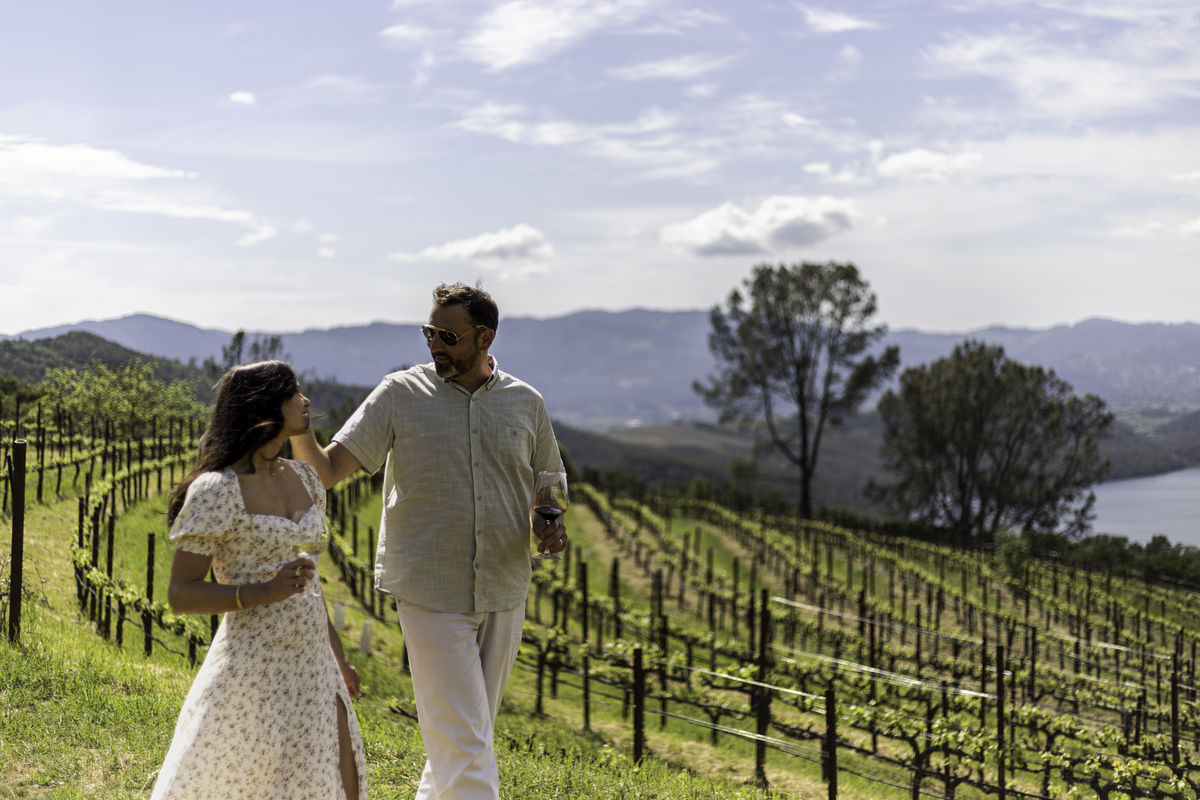
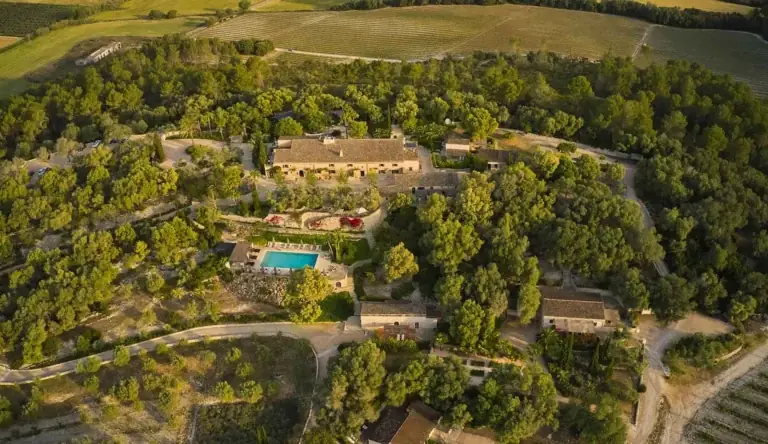
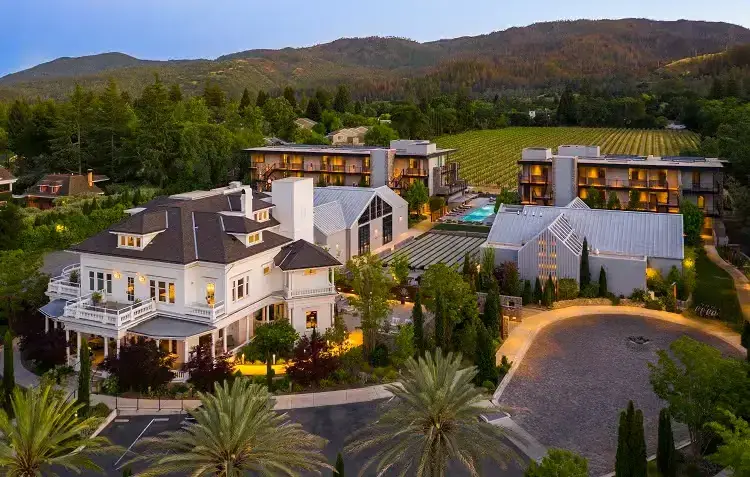
To accurately frame the best vineyard hotels for couples, one must first dismantle the prevailing industry conflation between “vineyard-adjacent” properties and “viticulturally integrated” assets. A property that sits on the periphery of a grape-growing region is fundamentally different from an estate where the lodging is an active layer within the vineyard’s own canopy or root system. For couples, the “best” choice is rarely the one with the most amenities, but rather the one that offers the highest degree of “Terroir Interface”—the sensory link between the guest and the specific plot of land.
A common misunderstanding in the selection process is the assumption that luxury is synonymous with total isolation from the winery’s operations. In reality, the top tier of the market in 2026 utilizes “Controlled Exposure.” A well-conceived plan doesn’t hide the winery; it utilizes “Acoustic Shielding” and “Negative Pressure HVAC” to allow guests to witness the “Craft”—the press cycle or the early fermentation—without being overwhelmed by the noise or the CO2 emissions. For a couple, this provides a shared intellectual journey rather than just a passive stay.
The oversimplification risk lies in ignoring the “Industrial Residue” of winemaking. A winery is, at its heart, a factory. It produces heat, noise, and significant organic waste. The best vineyard hotels for couples manage this through “Siting Logic.” If a guest is woken by a tractor at 4:00 AM, the luxury promise is broken. Consequently, authority in this sector is defined by the invisible reconciliation of agricultural logistics with the silent, odor-neutral environment required for high-end hospitality.
Historical and Systemic Evolution
The trajectory of vineyard lodging has moved through three distinct technological and cultural epochs:
-
The Agriturismo Foundation (Pre-1990s): Primarily focused on Italy and France, these were functional farmhouses with “spare rooms.” The architecture was vernacular, and the hospitality was a byproduct of the farm’s survival.
-
The Tasting Room Monument (1990s–2010s): Driven by the global wine boom, this era saw the rise of the “Brand Cathedral.” Hotels were built nearby, but rarely on the vines. The focus was on retail throughput and the “faux-chateau” aesthetic.
-
The Regenerative Nexus (2020s–Present): The current landscape is defined by “Smart Canopies” and biophilic integration. Modern structures utilize IoT sensors to monitor sap flow and soil moisture, ensuring the building participates in the vineyard’s hydrological cycle rather than merely sitting on top of it.
Conceptual Frameworks and Mental Models
When evaluating or designing a flagship vineyard asset for couples, specific mental models ensure systemic resilience:
1. The “Olfactory Sound-Shed.”
This framework evaluates the site based on prevailing wind patterns. It dictates that guest suites must be positioned “Upwind and Upslope” from primary fermentation vents. This prevents the pungent, acidic scent of early-stage fermentation (often resembling wet cardboard or sulfur) from penetrating the luxury environment during the estate’s most critical business weeks.
2. The “Microbial Continuity” Model
A vineyard is a delicate microbiome. This model assesses whether the hotel introduces invasive ornamental plants or non-native landscaping that could disrupt the local yeast populations required for “wild-ferment” winemaking. A superior plan uses only endemic vegetation to ensure the winery’s microbial profile remains uncorrupted.
3. The “Gravity-Flow” Hierarchy
Borrowed from winemaking architecture, this model dictates that the guest journey should mimic the wine’s journey—moving from the heights of the vineyard (check-in) down through the “aging” process (relaxation/spa) to the final “tasting” (dining/cellar). It reduces mechanical reliance and aligns the human experience with the physics of the site.
Key Categories of Viticultural Lodging Architecture
The geography of the vineyard dictates the structural trade-offs required for a successful installation for couples.
Decision Logic: The “Harvest Interference” Ratio
When choosing between these categories, couples must weigh “Immersion” against “Autonomy.” A “Dispersed Casita” plan offers the highest nightly rate but makes nighttime mechanical harvesting almost impossible without disturbing guests. Conversely, “Subterranean In-Fill” allows the vineyard to be farmed right up to the roofline, providing the ultimate “hidden” experience.
Detailed Real-World Scenarios and Operational Realities
The “Sulfur Drift” Event
In a luxury estate in the Douro Valley, the hotel plan failed to account for mandatory sulfur spraying required for organic mildew control. Because guest balconies were directly downwind of the vineyard blocks, the hotel was forced to close for three days during the peak spring season. The best vineyard hotels for couples now incorporate “Wind-Aware HVAC” systems that automatically seal intakes based on the vineyard’s spray schedule.
The “Root Compaction” Decline
A modernist hotel in Oregon’s Willamette Valley, built directly over a legacy Pinot Noir block, used heavy concrete walkways.
-
The Incident: The weight of guest foot traffic compacted the soil.
-
The Second-Order Effect: The vines within 50 feet of the hotel showed signs of “nitrogen lock,” producing fruit that was too acidic for the estate’s flagship wine.
-
The Solution: Superior plans now favor elevated boardwalks or “Permeable Pavers” that protect the soil’s aerobic capacity.
Planning, Cost, and Resource Dynamics
The economics of these properties are defined by the “Agriculture Tax.” Construction is typically 300% higher than ground-based cabins due to specialized labor and the inability to use heavy machinery in sensitive root zones.
Opportunity Cost: Every square foot of hotel foundation is a square foot of lost grape production. In high-value regions like Saint-Émilion or Oakville, the “lost vintage” revenue over a 50-year horizon must be calculated into the room rate.
Tools, Strategies, and Support Systems
The operation of the best vineyard hotels for couples is supported by a specialized technological stack:
-
Dendrometers: IoT sensors that monitor the vine’s hydration, often shared with guests via an “Estate Health Dashboard.”
-
Macerating Waste Systems: Necessary for properties with high elevation changes between suites and the treatment plant.
-
Greywater Bioreactors: Systems that treat hotel wastewater for use in vineyard irrigation, creating a closed-loop hydrological system.
-
Bird-Safe Fritted Glass: Patterns that prevent bird-strike deaths in properties that act as avian corridors.
-
Low-Voltage “Dark Sky” Lighting: Prevents the disruption of the vineyard’s nocturnal ecosystem while preserving the stargazing experience for couples.
-
Sap-Flow Sensors: Providing data on when vines are stressed, signaling the need for precision irrigation.
Risk Landscape and Failure Modes
The primary risks in this sector are rarely structural collapse but rather “Biological Rejection.”
-
Host Senescence: The natural aging and death of the vines. If the vines near the hotel die, the “Vineyard View” asset is lost.
-
Pathogen Transfer: Guests visiting from other wine regions may unknowingly carry pests like Phylloxera on their shoes. Superior plans include “Biosecurity Checkpoints” disguised as luxury arrival experiences.
-
Thermal Pollution: Large buildings trap heat. If a hotel doesn’t account for the “Heat Island Effect,” it can prematurely ripen surrounding grapes, resulting in flabby, high-alcohol wines that lack elegance.
Governance, Maintenance, and Long-Term Adaptation
Effective governance requires a “Dual-Custody” approach where the Vineyard Manager and the General Manager have equal veto power over property operations.
The Stewardship Audit Checklist:
-
Weekly: Monitor “Crush Pad” decibel levels during active fermentation.
-
Monthly: Visual inspection of “Root-Zone Bridges” for structural shifting.
-
Quarterly: Water quality test of greywater recycling systems used for irrigation.
-
Annually: “Vintage Impact Review”—analyzing if the hotel’s presence affected the sugar-to-acid ratio of the nearest vine rows.
-
Adjustment Trigger: If soil moisture levels drop by more than 15% due to the hotel’s foundation shadow, the irrigation plan must be recalibrated.
Measurement, Tracking, and Evaluation
How do we quantify the “Best”?
-
Leading Indicator: “The Biodiversity Count.” Properties that see an increase in native predatory insects (which replace chemical pesticides) within the hotel’s landscaping are considered to have a superior “Systemic Plan.”
-
Lagging Indicator: “DTC (Direct-to-Consumer) Conversion.” A hotel is successful if 60%+ of guests become long-term wine club members.
-
Qualitative Signal: “Sensory Cohesion.” Does the food in the restaurant share the same geological signature as the wine in the glass?
Common Misconceptions and Industry Myths
-
Myth: “The smell of fermentation is romantic.”
-
Correction: While the smell of aging wine in oak is pleasant, the actual process of fermentation releases CO2 and pungent esters that can be overwhelming. Top properties isolate these areas with negative-pressure airlocks.
-
-
Myth: “Modern glass architecture is the best way to see the vines.”
-
Correction: Excessive glass creates a “Light Pollution” issue at night, disrupting the vines’ nocturnal respiration cycles.
-
-
Myth: “You shouldn’t stay at a vineyard during harvest.”
-
Correction: Harvest is the most intellectually stimulating time to visit, provided the hotel has been engineered for sound and logistical isolation.
-
-
Myth: “All vineyard hotels are organic.”
-
Correction: Many “luxury” vineyard hotels still use conventional pesticides. The best vineyard hotels for couples are those that have achieved “Regenerative Organic Certified” (ROC) status.
-
Conclusion: The Synthesis of Design and Nature
The maturation of the vineyard hotel market represents a significant achievement in “Intellectual Luxury.” We are moving away from themed lodging toward “Systemic Immersion.” A successful property for couples is one where the guest leaves with more than a memory of a view; they leave with an understanding of the geological and biological forces that produced the liquid in their glass.
The destinations that will dominate the next decade are those that recognize the hotel not as a competitor to the vine, but as its greatest advocate. When architecture and agriculture are in perfect alignment, the resulting “Terroir Interface” creates a value proposition that is resilient to both economic shifts and environmental challenges. In this context, the “plan” is never truly finished; it is a living document that must adapt as the vines age and the climate shifts.