Luxury Viticulture Retreats America: The Definitive 2026 Guide to Estate Immersion
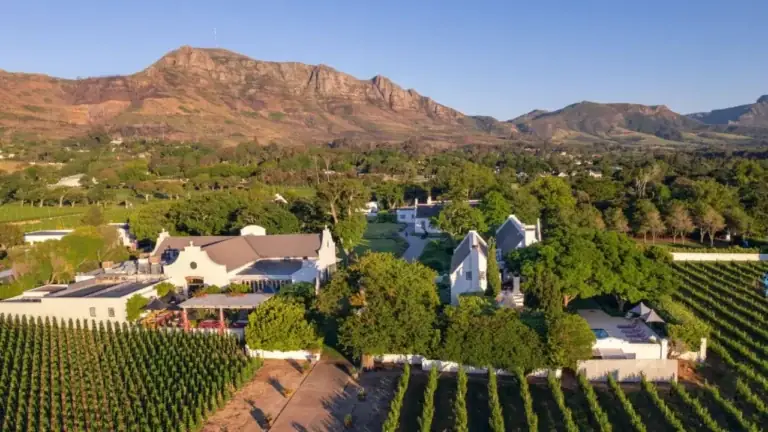
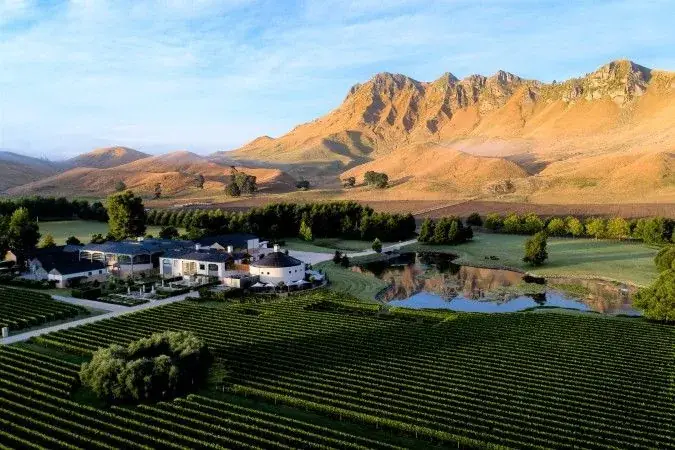
The concept of the luxury viticulture retreat in the United States has evolved from a satellite hospitality offering into a sophisticated, multi-disciplinary intersection of agricultural science, environmental stewardship, and “High-Fidelity” wellness. In 2026, the market is no longer satisfied with the simple proximity of a bed to a vineyard row. Instead, we are seeing the rise of “Agriluxury”—a model where the retreat serves as a living laboratory for the guest to experience the tensions and triumphs of the viticultural cycle. This shift marks a move away from the “Vineyard as Backdrop” toward the “Vineyard as Protagonist,” where the guest’s psychological and physical state is modulated by the seasonal rhythms of the land.
To analyze these retreats requires an understanding of “Operational Transparency.” The most authoritative destinations in the American landscape are those that reject the sanitized, resort-style veneer in favor of an authentic engagement with the soil. Whether they occupy the basalt-heavy corridors of the Walla Walla Valley or command the fog-drenched ridges of the Santa Cruz Mountains, these retreats enforce the principle of ‘Technical Immersion.’ They redefine luxury, displacing thread counts with unmediated access to winemaking staff, the estate’s geological lineage, and the metabolic rewards of a farm-to-cellar lifestyle.
As the industry matures under the dual pressures of climate volatility and a more discerning, education-seeking demographic, the distinction between a “Wine Hotel” and a “Luxury Viticulture Retreat” has become structural. The former is a hospitality product located near grapes; the latter is a viticultural asset that incorporates hospitality. This article serves as a comprehensive framework for deconstructing the mechanics of these high-end retreats, providing a definitive map for those navigating the transition from casual tourism to profound agricultural engagement.
Understanding “luxury viticulture retreats America.”
Evaluating luxury viticulture retreats in America requires a departure from traditional hospitality metrics. A common misunderstanding is that a high price point and a view of vines constitute a luxury retreat. In reality, the “Luxury” in “Luxury Viticulture” refers to the scarcity of time and expertise. A retreat is only as prestigious as its “Intellectual Capital”—the degree to which it can translate complex agricultural processes into a transformative guest experience.
From a systemic perspective, these retreats act as “Buffers” between the industrial reality of a farm and the recreational desires of the guest. There is a persistent risk of oversimplifying this balance. Over-indexing on ‘Luxury’ dilutes the estate into a generic resort, while an obsession with ‘Viticulture’ repels the guest seeking sanctuary. The elite tier executes ‘Contextual Harmony,’ recasting the noise of harvest as a choreographed performance and elevating the dust of the soil into a celebration of the vintage’s origin.
In 2026, “Technical Transparency” is the primary currency. Guests at this level are often “Meta-Consumers”—individuals who have already mastered the tasting notes and are now seeking to understand the carbon sequestration of the soil, the clonal diversity of the rootstocks, and the metabolic impact of low-intervention wines. Therefore, a definitive reference for these retreats must weigh the “Service Architecture” against the “Agricultural Integrity” of the estate.
The Historical and Systemic Evolution of the Retreat Model
The trajectory of the American vineyard retreat can be categorized into four distinct developmental stages:
1. The Bed & Breakfast Era (1970s–1990s)
The earliest retreats were mostly small, private homes or guest cottages on working farms. The hospitality was incidental, often provided by the vineyard owners themselves. The “luxury” was the novelty of staying on a farm, though the amenities were often rustic and disconnected from the winemaking process.
2. The Mediterranean Resort Epoch (1991–2010)
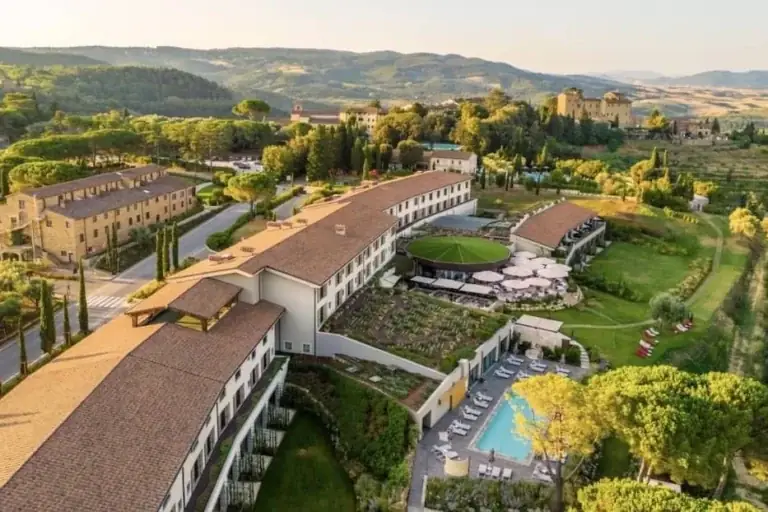
Following the global ascent of Napa Valley, the “Tuscan Villa” model took hold. Estates built grand, European-inspired hotels that prioritized aesthetics over agricultural integration. While luxurious, these properties often functioned as “Islands,” separated from the working vineyard by manicured lawns and gatehouses.
3. The “Farm-to-Table” Integration (2011–2020)
As the culinary world pivoted toward localism, retreats began to integrate gardens, apiaries, and livestock into the wine experience. The focus shifted toward “Sensory Cohesion,” where the wine was paired with food grown on the same estate.
4. The 2026 Era of “Regenerative Agriluxury.”
Today, the most significant luxury viticulture retreats in America are those that function as “Regenerative Ecosystems.” The retreat is a platform for teaching the guests about climate resilience, biodiversity, and the “Bio-Hacking” potential of clean, mountain-grown fruit. The luxury is now found in “Restorative Agriculture”—the feeling of being in a place that is healing itself and, by extension, the guest.
Conceptual Frameworks and Mental Models
To evaluate these retreats, one must look past the decor and apply these analytical frameworks:
1. The “Terroir Intimacy” Gradient
This model measures the physical and intellectual proximity of the guest to the fruit. A high-value retreat allows for “Direct-Block Engagement”—where a guest can walk from their terrace directly into a specific vineyard block and taste the wine produced from those exact vines. If there is a physical or psychological wall between the room and the rows, the intimacy is compromised.
2. The “Metabolic Pairing” Framework
In 2026, the elite traveler views wine through the lens of wellness. This framework evaluates a retreat based on its ability to align the wine program with a “Biological Clock.”Does the estate deploy low-ABV sparkling wines to sustain the morning vineyard walk? Does it pair high-polyphenol reds with anti-inflammatory menus to optimize guest recovery? True luxury resides in the ‘Biological Curation’—the active management of the guest’s internal chemistry.”
3. The “Service-to-Soil” Ratio
This is a measure of “Technical Hospitality.” Can the guest-facing staff (concierges, servers, spa therapists) discuss the specific soil types (Jory vs. Willakenzie) or the current sugar levels (Brix) in the fields? If the service is generic, the retreat is merely a hotel; if the service is “Soil-Literate,” it is a viticultural authority.
Key Categories of Luxury Viticultural Engagements
The landscape of luxury viticulture retreats in America is diverse, with several operational models that offer different trade-offs.
Decision Logic: The “Intellectual vs. Passive” Selection
If your objective is “Total Immersion,” a Monopole Sanctuary in the Santa Rita Hills offers the highest degree of psychological isolation. However, for those seeking “Skill Acquisition,” the Technical Lab or Regenerative Farm models in the Finger Lakes or Texas Hill Country provide a more interactive, albeit louder, experience.
Detailed Real-World Scenarios and Operational Realities
The “Harvest Surge” Paradox
A guest books a top-tier retreat in Sonoma during the October harvest. While they expect a romantic “Lucy and Ethel” grape-stomping experience, the reality is a 24-hour industrial operation.
-
Operational Reality: The most authoritative retreats do not hide the harvest; they provide the guest with noise-canceling technology and a “Front-Row” education, explaining the chemistry of the “Crush” as it happens.
-
Failure Mode: The retreat tries to sanitize the experience, leading to guest complaints about the smell of fermentation or the sound of trucks.
The “Dormancy” Opportunity
In January, a retreat in the Willamette Valley is visually stark. The vines are bare.
-
Operational Reality: This is the season of “Vertical Depth.” Without the distraction of the green canopy, the retreat focuses on soil science and library tastings. The guest learns more about the “Soul of the Estate” in the winter than in the lush summer.
-
Failure Mode: Closing for the season, which suggests the winery is a seasonal attraction rather than a year-round agricultural entity.
The “Smoke Taint” Risk Management
A retreat in the Pacific Northwest faces a sudden wildfire threat.
-
Operational Reality: In 2026, luxury retreats must have “Air Quality Governance.” This includes medical-grade filtration in rooms and a transparent “Smoke Policy” that pivots the guest experience to indoor “Technical Cellar Tours” when the AQI is high.
-
Failure Mode: Ignoring the environmental reality, which compromises guest health and trust.
Planning, Cost, and Resource Dynamics
The economics of these retreats are driven by “Allocation Scarcity” and “Frictionless Logistics.”
The “Opportunity Cost” of Spontaneity: The premier luxury viticulture retreats in America often require “Vetting” or “Membership.” Attempting to book a stay at a cult estate in the Napa foothills without a prior relationship with the winery can be impossible. Planning cycles for these retreats are often 6–12 months in advance.
Tools, Strategies, and Support Systems
To maximize the “Return on Experience” (ROE), guests should utilize specific strategies:
-
Digital Terroir Mapping: Use GPS-based topography tools to understand the aspect and elevation of the retreat’s vineyard blocks before arrival.
-
Pre-Arrival “Palate Audit”: High-end retreats now offer a consultation with the sommelier two weeks before the stay to curate the cellar and the dining program.
-
Climate-Controlled Logistics: Use specialized shipping services (like Gliding Cellars) to ensure that any wine purchased on-site is transported in a “Temp-Perfect” environment.
-
The “Viticulturist Concierge”: Requesting a tour with the vineyard manager rather than the hospitality lead reveals a higher level of technical intent.
-
Biometric Wellness Integration: Some retreats now sync your wearable data with their culinary and wine programs to optimize your metabolic state.
Risk Landscape and Failure Modes
Even the most prestigious retreats face “Operational Decay”:
-
The “Corporate Polishing” Risk: When a family-owned estate is bought by a luxury conglomerate, the retreat can lose its “Agrarian Grit.” The experience becomes too smooth, too scripted, and disconnected from the daily struggle of farming.
-
The “Sensory Overload” Compounding Effect: Attempting to pair high-end dining, intense wine flights, and spa treatments in a single day can lead to “Experience Fatigue.”
-
The “Green-Washing” Trap: Claiming “Sustainability” without technical data. In 2026, guests will check the LEED certification of the buildings and the organic certification of the soil.
Governance, Maintenance, and Long-Term Adaptation
A luxury retreat is a “Living Asset” that requires constant governance:
-
Agricultural Review Cycles: Ensuring the “Hospitality Wing” doesn’t interfere with the “Production Wing.” This involves strict management of guest foot traffic to prevent soil compaction.
-
Staff Educational Maintenance: Regular “Technical Sprints” where the hospitality team spends a week working in the vineyard to maintain their “Soil Literacy.”
-
Climate Adaptation Triggers: If a region becomes too hot for a specific varietal, the retreat must be transparent about the transition to new grapes, explaining the “Why” to the guests.
The “Quality Control” Checklist:
-
Is the “Estate Wine” actually grown on the property the guest is staying on?
-
Does the “Wellness Program” have a clinical or scientific basis?
-
Is the “Library Access” authentic, or is it a marketing shelf?
Measurement, Tracking, and Evaluation
How do we quantify the success of a luxury viticultural engagement?
-
Leading Indicator: “The Technical Delta.” Does the guest leave with a new, specific understanding of viticulture (e.g., the difference between American and French oak in a 20-year vertical)?
-
Lagging Indicator: “Cellar Retention.” Does the guest continue to purchase and age the winery’s bottles five years after their stay?
-
Qualitative Signal: “Atmospheric Resonance.” Does the retreat stay in the guest’s mind as a “Place of Truth” rather than just a “Nice Room”?
Common Misconceptions and Oversimplifications
-
Myth: “The best retreats are always in California.”
-
Correction: Virginia’s Piedmont, Oregon’s Willamette, and New York’s Finger Lakes are producing technical, high-luxury retreats that offer more “Sense of Discovery.”
-
-
Myth: “A ‘Luxury’ stay means being pampered and doing nothing.”
-
Correction: The modern luxury retreat is “Active.” It challenges the guest’s palate, intellect, and physical presence.
-
-
Myth: “You need to be a ‘Wine Pro’ to enjoy these.”
-
Correction: The best retreats are designed for “The Curious Mind.” A lack of knowledge is welcomed, as long as there is an intent to learn.
-
-
Myth: “It’s all about the views.”
-
Correction: A view is a commodity. The “Luxury” is the insight into the soil under the view.
-
Ethical and Contextual Considerations
The rise of the “Ultra-Exclusive” retreat raises questions about “Land Stewardship.” The most ethical luxury viticulture retreats in America are those that operate as “Carbon Sinks” and provide year-round, living-wage employment for agricultural workers. As these retreats take over prime agricultural land, they have a responsibility to remain “Good Neighbors” to the surrounding communities, ensuring that the “Lifestyle” of the retreat doesn’t deplete local water resources or displace local culture.
Conclusion: The Synthesis of Earth and Sanctuary
The evolution of the luxury viticulture retreat in America reflects a broader human desire for “Authentic Grounding.” As our lives become increasingly digital and abstracted, the vineyard offers a physical, chemical, and sensory anchor. A true luxury retreat is not an escape from reality, but an immersion into it—the mud, the sun, the chemistry of the grape, and the slow, patient labor of the vintage.
In 2026, the authority of a retreat is measured by its “Integrity of Place.” The retreats that will stand the test of time are those that treat the guest with intellectual respect, the land with biological respect, and the wine with technical respect. In the end, the luxury isn’t in the glass; it’s in the soil, the history, and the quiet, enduring rhythm of the vine.