Winery Lifestyle Destinations USA: The Definitive 2026 Editorial Guide
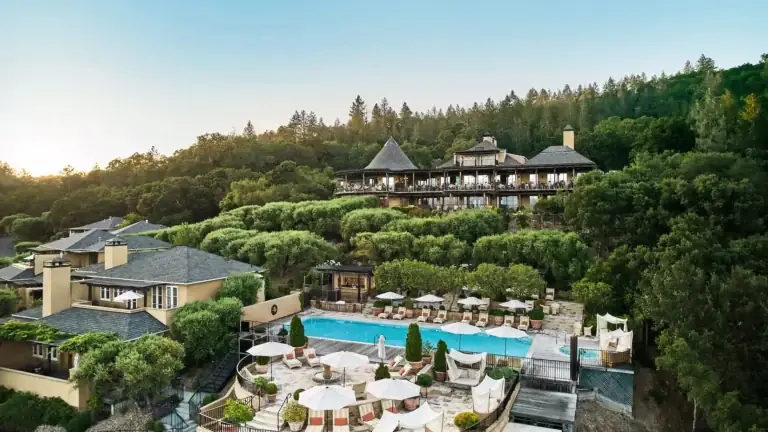
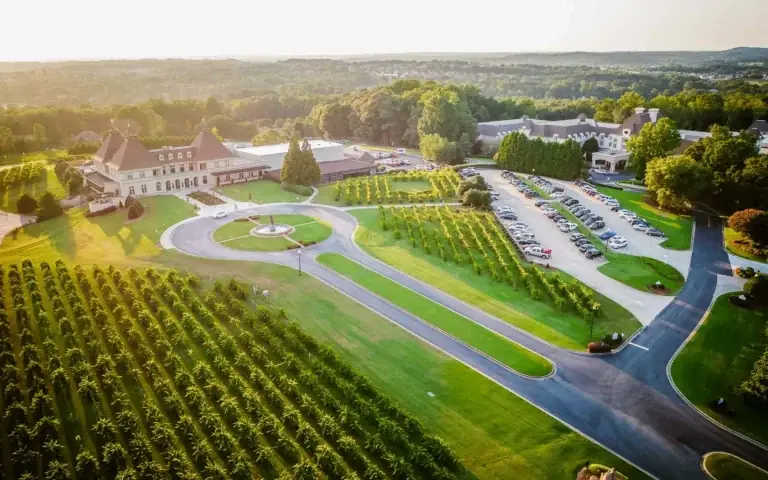
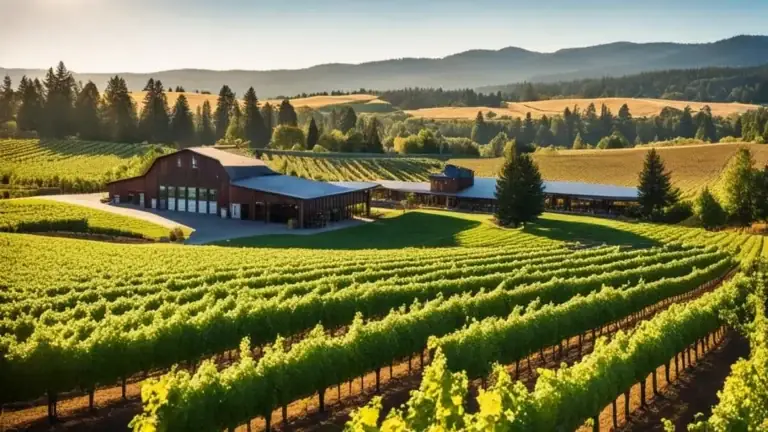
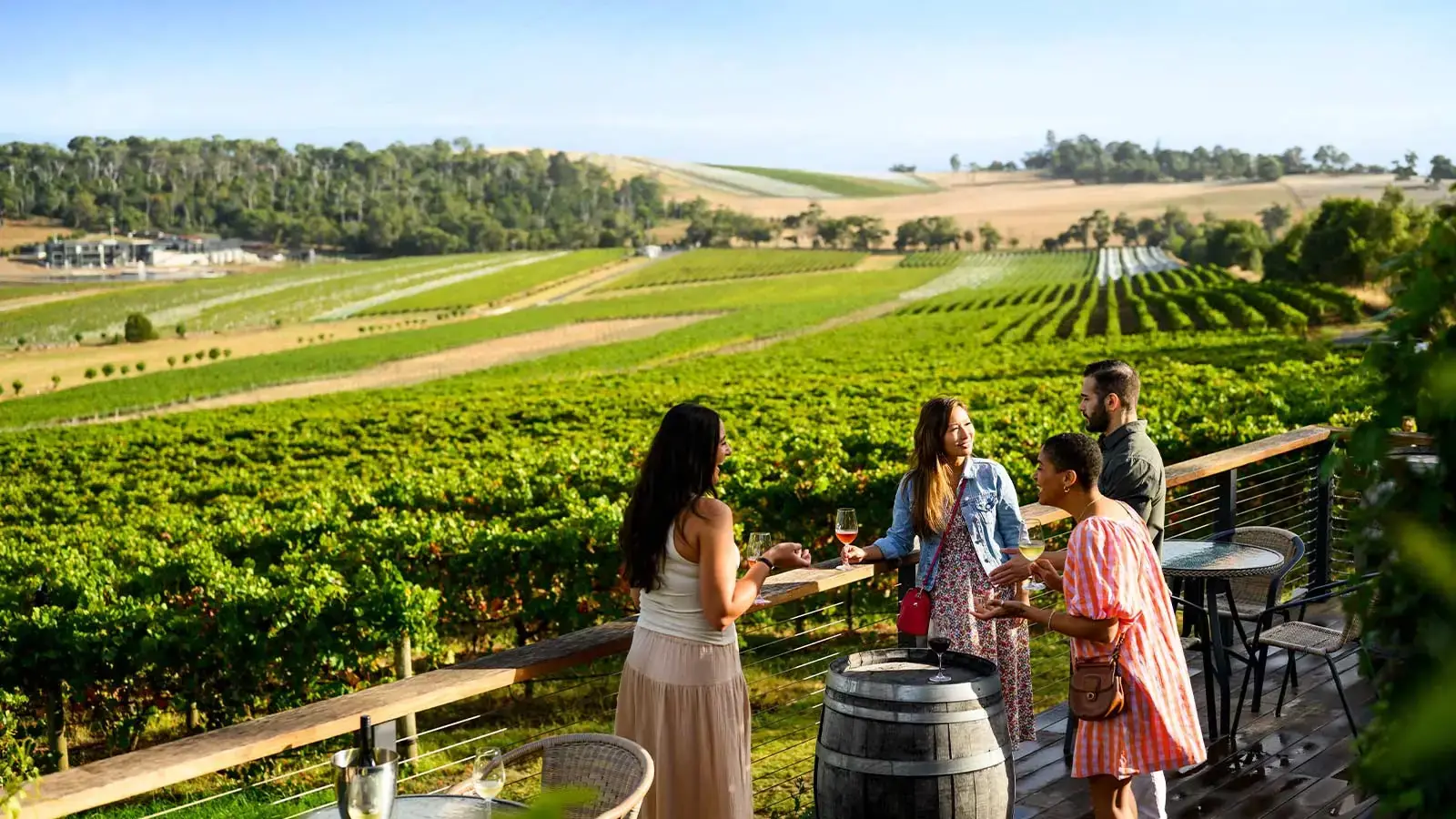
The emergence of the American winery as a primary lifestyle anchor represents a profound shift in the country’s cultural and economic geography. Historically, vineyards were viewed through a purely agricultural or industrial lens—sites of production where the end goal was a bottled commodity. Today, however, the vineyard has been reimagined as a “Lifestyle Ecosystem.” This transformation integrates high-level viticulture with architectural innovation, culinary arts, and environmental wellness, creating a multi-dimensional environment where the guest is not just a consumer of wine but a participant in a curated agrarian identity.
Defining this sector requires moving beyond the surface-level tropes of “Wine Country.” The complexity of the modern American vineyard destination lies in its ability to balance the rigid, unyielding demands of a working farm with the frictionless service expectations of a high-end demographic. It is a sector where “Industrial Silence”—the curated quiet of an active estate—becomes a luxury asset. As we navigate the landscape in 2026, the preeminent destinations are those that have moved past the “Tasting Room” model toward a “Holistic Estate” model, where every element of the land is leveraged to provide a sense of place and permanence.
The analytical depth required to understand these destinations involves a synthesis of various disciplines: urban planning, viticultural science, hospitality logistics, and environmental ethics. For the discerning visitor or the industry observer, the standard of excellence is no longer found in the grandeur of the architecture alone, but in the “Technical Integrity” of the experience. This article serves as a definitive reference for the structural and philosophical underpinnings of this sector, deconstructing the mechanics that allow these destinations to function as authoritative lifestyle assets.
Understanding “winery lifestyle destinations USA.
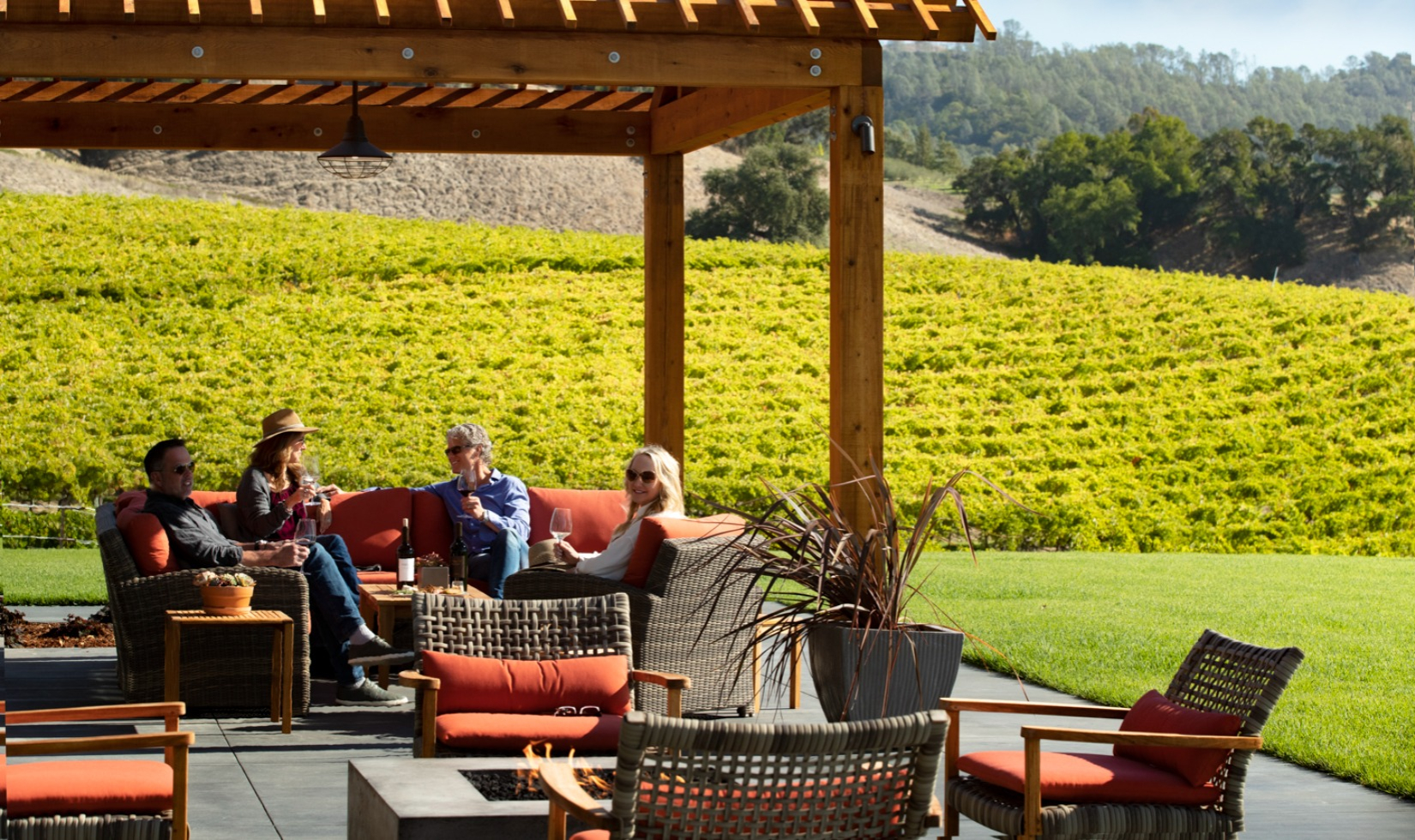
To accurately deconstruct winery lifestyle destinations in the USA, one must first address the “Thematic Fallacy.” This is the common misconception that a lifestyle destination is simply a winery with a nice patio or a nearby hotel. In a professional editorial context, a true lifestyle destination is an “Integrated Viticultural Asset” where the hospitality, residential, and agricultural components are inseparable. The misunderstanding of this sector often stems from a failure to recognize the operational friction between luxury service and agricultural necessity.
From a multi-perspective view, these destinations must satisfy three distinct “Users”:
-
The Resident/Long-term Guest: Seeking an “Agrarian Sanctuary” that provides wellness and community.
-
The Viticulturist: Requiring the land to remain a productive, industrial site without interference from guests.
-
The Local Community: Monitoring the destination for its impact on water rights, traffic, and regional identity.
Oversimplification risks in this sector are high. It is tempting to rank these destinations by the points awarded to their wines, but points are a lagging indicator of quality. A more rigorous evaluation looks at “Atmospheric Governance”—the ability of the estate to manage light, sound, and smell to create a cohesive lifestyle narrative. If the smell of sulfur sprays (necessary for vine health) interrupts a five-course dinner, the destination has failed to achieve the “Operational Seamlessness” that defines the top tier of the American market.
The Systemic Evolution of Viticultural Lifestyle Hubs
The transition from a “Production Site” to a “Lifestyle Destination” has occurred through a series of evolutionary leaps.
Phase 1: The Accessory Tasting Room (1970–1990)
During this period, hospitality was an afterthought. The “destination” was merely a bar inside a warehouse where guests could sample the product before buying. There was little to no architectural intent regarding the guest experience.
Phase 2: The Architectural Monument (1991–2010)
Following the global success of California wines, estates began investing in “Starchitecture.” This era was characterized by grand, often European-inspired buildings designed to signal prestige. However, these were often “Static Monuments”—they were beautiful to look at, but did not offer a living, integrated lifestyle.
Phase 3: The Integrated Ecosystem (2011–2026)
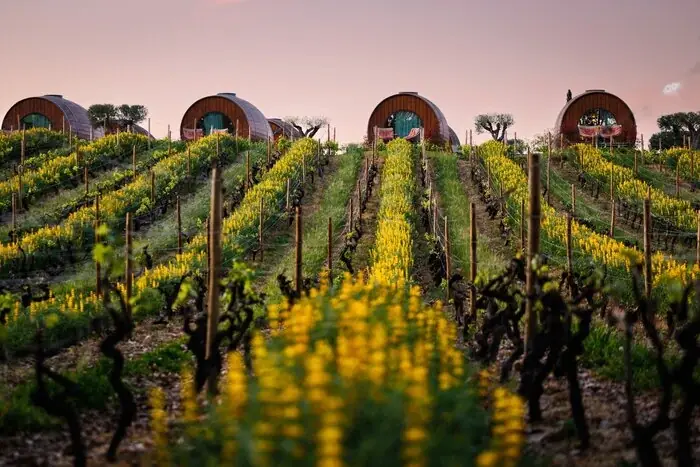
The current era is defined by “Functional Agrarianism.” Destinations are now designed as “Villages.” They incorporate private residences, wellness spas, farm-to-table culinary programs, and educational labs. The focus has shifted from the building to the “Interstices”—the spaces between the buildings where the actual lifestyle happens.
Conceptual Frameworks and Mental Models
When evaluating or planning for high-end winery lifestyle destinations in the USA, these frameworks help categorize the sophistication of the estate.
1. The “Vine-to-Vitals” Model
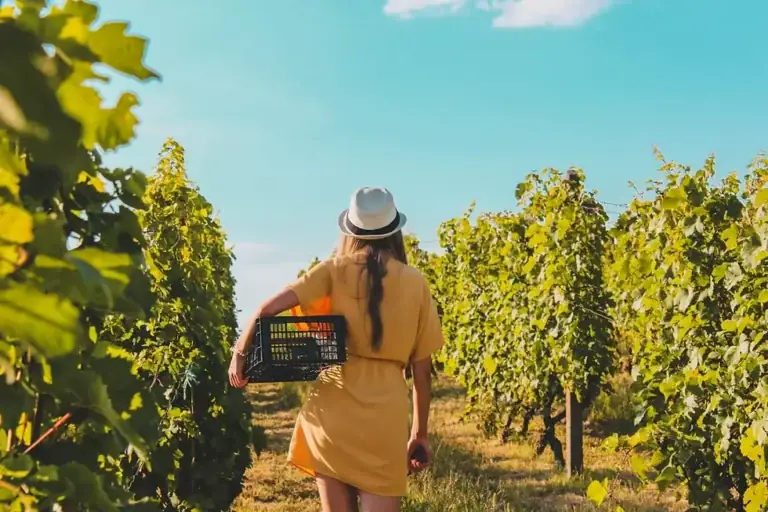
This framework measures the integration of viticulture into the wellness experience. In a top-tier destination, the vineyard is not just for wine; the grape skins (pomace) are used in spa treatments, the vine prunings are used for culinary smoking, and the vineyard rows are used for “Sensory Walking.” If the vineyard is only used for juice, the lifestyle integration is shallow.
2. The “Social Density” Gradient
This model evaluates the destination based on its “Private-to-Public” ratio. A lifestyle destination that is too public feels like a tourist trap; one that is too private lacks the “Cultural Gravity” necessary to be an authority. The gold standard is a “Layered Access” model, where the general public sees the “Front of House,” but residents and club members have access to the “Sub-Cellars” and private vineyard blocks.
3. The “Temporal Terroir” Framework
A winery is a slow-moving asset. This framework evaluates the destination on its ability to offer “Historical Continuity.” A destination that only showcases new releases is a retail outlet. An authority destination maintains a “Library” of vintages and history, allowing the guest to experience the passage of time through the lens of the land.
Key Categories of Winery Lifestyle Destinations
The American landscape offers several distinct variations of the lifestyle model.
Decision Logic: The “Intent-to-Asset” Alignment
Choosing between these categories requires an honest assessment of “Resource Allocation.” If the visitor’s goal is “Personal Transformation,” the Wellness Sanctuary is the logical choice. However, if the goal is “Social Prestige and Portfolio Building,” the Residential Vineyard or Culinary Citadel offers the most direct path to that lifestyle asset.
Detailed Real-World Scenarios and Operational Realities
The “Crush” Logistics Conflict
A high-end destination in Napa is hosting a luxury residential retreat during the peak of harvest.
-
The Constraint: Harvesting must happen at 3:00 AM for temperature control.
-
Failure Mode: The noise of the tractors wakes the guests, leading to complaints.
-
Success Mode: The estate includes the “Harvest Night” as a curated event, providing night-vision goggles and a pre-harvest technical briefing, turning a logistical nuisance into a lifestyle highlight.
The “Climate Drift” Adaptation
A destination in the Willamette Valley faces a series of hotter-than-average summers, threatening the “Cool-Climate” identity of its Pinot Noir.
-
The Conflict: The “Lifestyle Brand” is built on elegant, high-acid wines, but the fruit is coming in jammy and high-alcohol.
-
Response: The destination must adapt its “Landscape Architecture”—planting more shade trees, implementing regenerative viticulture to hold soil moisture, and pivot its lifestyle narrative toward “The Science of Resilience.”
Economics, Planning, and Resource Dynamics
The entry into a “Winery Lifestyle” is a high-capital endeavor, whether as a visitor or an owner.
Resource Variability: It is critical to note that the “True Cost” of these destinations is often hidden in the “Subscription Economy.” The best access is not purchased at the door but earned through long-term membership in the winery’s “Inner Circle,” which requires consistent annual wine purchases and event attendance.
Tools, Strategies, and Support Systems for Engagement
To navigate winery lifestyle destinations in the USA effectively, guests and residents often rely on a specific ecosystem of support:
-
Direct-to-Consumer (DTC) Concierges: Specialized advisors who manage allocations and “Secret Menu” bookings across multiple estates.
-
Cellar Management Systems: Software used by residents to track their collections in real-time, often synced with the estate’s wine library.
-
Third-Party Logistics (3PL): Temperature-controlled shipping and storage that ensures the “Lifestyle Asset” (the wine) isn’t compromised during transport.
-
Sommelier-on-Demand: Private professionals who curate the on-site experience for residential guests.
-
Environmental Monitoring Apps: Residents use these to track “Micro-Climates” in their specific block of the vineyard.
The Risk Landscape and Systemic Vulnerabilities
The “Lifestyle” model is surprisingly fragile, subject to compounding risks:
-
The “Disney-fication” Risk: A destination that becomes too focused on “Experience” can lose its “Agricultural Soul.” If the winemaking becomes mediocre, the lifestyle brand will eventually collapse.
-
Environmental “Flash Points”: Wildfires, droughts, and pest outbreaks are not just agricultural risks; they are “Lifestyle Interruptions” that can devalue a property overnight.
-
Labor Scarcity: These destinations require two very different types of labor: highly skilled hospitality staff and back-breaking agricultural labor. A shortage in either sector can cripple the estate’s ability to function.
Governance and Long-Term Adaptation
For a destination to maintain its authority over decades, it must employ a “Multi-Layered Governance” model:
-
Viticultural Governance: Ensuring the soil remains healthy through organic or biodynamic practices.
-
Architectural Governance: Preventing “Visual Creep”—ensuring that new buildings don’t ruin the views or the agricultural utility of the land.
-
Community Governance: Active participation in local water boards and agricultural commissions to ensure the destination remains a “Good Neighbor.”
The Adaptation Checklist:
-
Annual “Terroir Audit” (Checking soil and vine health).
-
Quarterly “Service Friction” Review (Where do guests and tractors clash?).
-
Decadal “Varietal Re-assessment” (Are we growing the right grapes for the 2036 climate?).
Measurement, Tracking, and Evaluation
How do we measure the “Success” of a winery lifestyle destination?
-
Quantitative Signal: “Retention of Allocation.” The percentage of club members or residents who renew their commitment each year. High turnover is a sign of a “Trendy” but shallow destination.
-
Qualitative Signal: “Staff Longevity.” In a sector defined by high turnover, a destination where the cellar master and the head concierge have been there for 10+ years is a sign of “Institutional Stability.”
-
Lagging Indicator: “Secondary Market Value.” Do wines from this estate hold or increase their value at auction? If the wine doesn’t stand up, the lifestyle is a facade.
Common Misconceptions and Industry Myths
-
Myth: “The best wineries are always in Napa/Sonoma.”
-
Correction: While they have the most infrastructure, true lifestyle innovation is currently happening in “Challenger Regions” like the Walla Walla Valley or the Finger Lakes, where the barrier to entry is lower, and the creative freedom is higher.
-
-
Myth: “A lifestyle destination is just a fancy resort.”
-
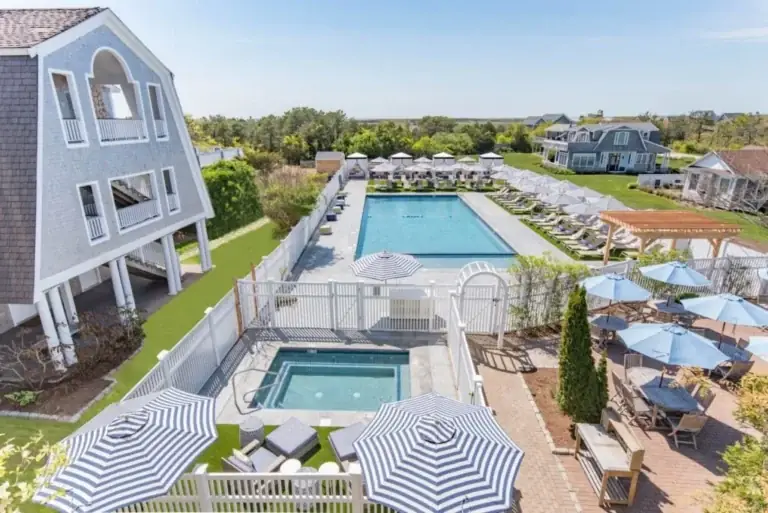
Correction: A resort is a place you visit; a lifestyle destination is a place you “Inhabit,” even if only for a weekend. The focus is on agricultural immersion, not just relaxation.
-
-
Myth: “Harvest is the best time to visit.”
-
Correction: It is the most chaotic. For “Deep Lifestyle” engagement, the “Silver Season” (Spring) offers more access to the winemaking team and a more tranquil environment.
-
Ethical and Contextual Considerations
The expansion of winery lifestyle destinations in the USA raises significant ethical questions regarding land use. As luxury estates take over agricultural land, the price of “Productive Acreage” often skyrockets, making it impossible for small, independent farmers to compete. The most “Ethical” lifestyle destinations are those that implement “Incubator Programs,” allowing smaller producers to use their facilities or land, thereby preserving the region’s viticultural diversity.
Conclusion: The Future of the American Estate
The trajectory of the American winery is clear: the bottle is no longer the final product. The final product is the “State of Being” that the estate provides. The winery lifestyle destinations in the USA that will survive the next quarter-century are those that treat the vineyard not as a scenery set, but as a living, breathing teacher.
We are moving toward an era of “Radical Transparency,” where guests will demand to know the carbon footprint of their stay, the soil health of the vineyard, and the labor conditions of the cellar. The destinations that can answer these questions with “Technical Honesty” while still providing an unparalleled sensory experience will become the new “Standard of Authority” in the American landscape. The future of this sector lies in the synthesis of grit and grace—the mud on the boots and the crystal in the hand.