Common Vineyard Hotel Booking Mistakes: A 2026 Operational Guide
The intersection of high-end hospitality and active agriculture creates a logistical environment unlike any other in the travel sector. When booking a stay within a working vineyard, the traveler is not merely securing a room but is entering a complex industrial ecosystem governed by the seasonal volatility of viticulture. As the global demand for “terroir-driven” experiences has intensified into 2026, the sophistication of these properties has increased, yet the fundamental friction between luxury expectations and agricultural realities remains a primary source of friction.
For the experienced planner, a vineyard hotel is a biological manufacturing floor that happens to offer lodging. Failing to recognize this distinction leads to a cascade of unmet expectations, from disrupted sleep cycles due to nighttime mechanical harvesting to the olfactory disappointment of seasonal sulfur applications. The professional traveler must navigate these variables with a high degree of “Agricultural Literacy,” moving beyond the photographic allure of the vines to understand the metabolic rhythms of the estate.
Securing the ideal viticultural engagement requires a rigorous analysis of site topography, varietal schedules, and regional infrastructure. As we move through this guide, we will deconstruct the systemic errors that compromise these stays. This is not merely a list of logistical oversights but an analytical framework for understanding the “Viticultural-Hospitality Interface.” By addressing the structural nuances of the sector, one can transition from a passive consumer to a strategic guest, ensuring that the immersion into the land is as seamless as the wine in the glass.
Understanding “common vineyard hotel booking mistakes”

To accurately frame common vineyard hotel booking mistakes, one must dismantle the prevailing industry conflation between “picturesque” and “functional.” A primary perspective shift involves recognizing that the proximity to vines is often inversely proportional to typical hotel comforts. A common misunderstanding in the selection process is the “View-over-Value” trap, where guests prioritize a room nestled deep within the canopy without accounting for the industrial noise of wind machines or the necessary application of organic fungicides.
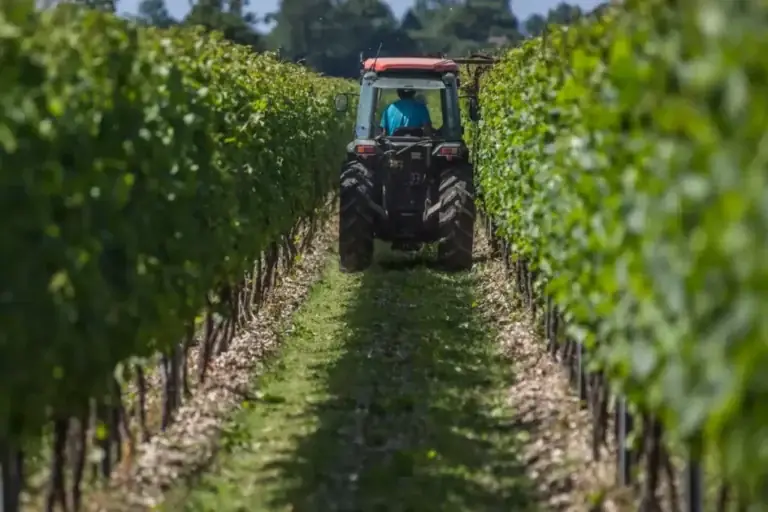
Oversimplification in this sector often stems from ignoring the “Harvest Window Volatility.” Unlike a coastal resort where the high season is dictated by predictable weather, a vineyard’s peak activity is a moving target influenced by sugar levels (Brix) and acidity. Many travelers book based on historical harvest dates, only to find themselves arriving in a “Lull Period” where the winery is silent, or conversely, during a “Mechanical Surge” where the 24-hour hum of tractors makes outdoor relaxation impossible.
The multi-perspective risk here involves the estate owner’s perspective: a hotel is often a secondary revenue stream designed to support the wine brand. If a guest expects the responsiveness of a metropolitan five-star property, they may be disappointed by the “Lean Staffing” models common in rural estates. Authority in this sector is defined by the invisible reconciliation of these forces—the ability to be a participant in the land’s rhythm without suffering the “friction of the farm.”
Historical and Systemic Evolution of Viticultural Lodging
The trajectory of vineyard-based lodging has moved through three distinct technological and cultural epochs:
The Agriturismo Foundation (Pre-1990s)
Initially, vineyard lodging was an extension of the family farm—functional, raw, and largely unregulated. Travelers were expected to accept the smells of fermentation and the early hours of laborers as part of the “authentic” experience. Mistakes in this era were rare because expectations were low; the lodging was a byproduct of the agriculture.
The Brand Cathedral (1990s–2015)
The global wine boom saw the rise of architectural monuments. Hotels were built nearby, but often as isolated luxury pods that sanitized the agricultural experience. This era introduced the first major systemic mistake: “Decoupled Design,” where the hotel operated as if it were in a city, ignoring the hydrological and ecological impact of the building on the surrounding vines.
The Regenerative Nexus (2020s–Present)
Today, the premier tier of properties emphasizes “Biophilic Integration.” Modern structures utilize subterranean mass for thermal stability and participate in the vineyard’s water recycling. The modern booking mistake has evolved into a “Data Gap,” where travelers fail to use real-time ag-tech data (like Growing Degree Days) to inform their arrival, resulting in a mismatch between their sensory goals and the estate’s current metabolic state.
Conceptual Frameworks and Mental Models
When evaluating a viticultural asset, industry analysts apply specific mental models to ensure systemic resilience.
1. The “Acoustic-Industrial Buffer.”
This framework evaluates the distance and topographic shielding between the guest wing and the “Industrial Core” (the crush pad and bottling line). A superior booking avoids rooms with a direct line of sight to the winery’s loading dock, which often operates at peak volume at 4:00 AM during harvest.
2. The “Varietal Ripening Gradient.t”
Not all vineyards ripen simultaneously. This model dictates that a guest should match their lodging location to the specific grapes grown there. If you seek the “Energy of the Crush,” you book a Sauvignon Blanc estate in the early season. If you seek “Cellar Stillness,” you book a late-ripening Cabernet estate after the early rains have arrived.
3. The “Last-Mile Logistics” Ratio
In rural wine regions, the cost and availability of transport are often underestimated. This framework assesses the property’s “Transport Independence.” A property that provides internal shuttle service or is walkable to other tasting rooms commands a premium because it eliminates the risk of “DUI Volatility” and the high cost of rural ride-shares.
Key Categories of Booking Failures and Trade-offs
The geography of the vineyard dictates the structural trade-offs required for a successful stay.
Realistic Decision Logic: Centralization vs. Dispersion
Planners must weigh “Service Logistics” against “Individual Autonomy.” Centralized manor houses are easier for the staff to maintain, offering a more traditional hotel feel. Dispersed “casitas” or “villas” provide the illusion of owning a private vineyard, but they often suffer from “Last-Mile Service Lag”—where room service or maintenance takes twice as long to arrive.
Detailed Real-World Scenarios and Operational Realities
The “Sulfur Drift” Disappointment
A guest books a luxury suite in the Rhône Valley in early spring, seeking “vibrant greenery.” However, this coincides with the necessary application of organic sulfur to prevent powdery mildew. The second-order effect is a persistent “matchstick” odor throughout the property. A more informed booking would have accounted for the “Spring Spray Cycle” or chosen an estate with higher wind-swept elevations.
The “Crush Pad” Sleeplessness
During a heatwave in the Willamette Valley, the winery must process all Pinot Noir at night to maintain acidity. A guest booked a suite directly overlooking the fermentation tanks. The failure mode here is a lack of “Acoustic Shielding.” The sound of the de-stemmer and the floodlights of the night crew turn a luxury retreat into a front-row seat at a factory.
The “Closed-Loop” Transport Failure
A group books a remote estate in the Uco Valley, Argentina, assuming ride-shares are available. They find that the estate is 90 minutes from the nearest urban hub, and local drivers refuse the dirt-road trek. The “Direct Cost” of the mistake is a $400-per-day private driver hire that was not in the original budget.
Planning, Cost, and Resource Dynamics
The economics of a vineyard stay are defined by the “Agricultural Premium.” Construction and maintenance in sensitive root zones are significantly more expensive than in standard hospitality.
The Opportunity Cost of “Free” Tastings: Many guests choose a hotel because it offers complimentary tastings. However, if the hotel’s nightly rate is $100 higher than a comparable nearby property, and the tasting is valued at $50, the guest is effectively paying a 100% premium for a “perk” that could have been purchased independently.
Tools, Strategies, and Support Systems
Modern viticultural travel relies on a specific technological stack to bridge the gap between “Digital” and “Dionysian”:
-
Growing Degree Day (GDD) Trackers: Publicly available ag-tech data that allows guests to track the ripening progress of a region before they arrive.
-
Topographic Mapping Apps: Used to verify a room’s “True Aspect” relative to the winery’s industrial core.
-
Night-Vision/Acoustic Filters: High-end properties now provide “Sleep Kits” specifically designed for the industrial hum of harvest.
-
DTC (Direct-to-Consumer) Loyalty Portals: Booking through the winery’s wine club often unlocks rooms that are never listed on third-party OTAs.
-
Micro-Climate Forecasts: Moving beyond “City Weather” to specialized vineyard sensors that track morning fog and heat spikes.
-
Sustainable Transport Apps: Identifying electric vehicle charging infrastructure in remote wine corridors.
Risk Landscape and Failure Modes
The primary risks in vineyard hospitality are rarely structural but rather “Biological Rejection.”
-
Pathogen Transfer: Guests visiting from other wine regions may unknowingly carry pests like Phylloxera on their shoes. Superior hotels now include “Biosecurity arrivals” where shoes are sanitized—a detail many guests mistake for a “valet service.”
-
The “Monoculture Trap”: Designing a trip around a single grape variety is risky. If climate shifts or pests impact that variety, the entire “Brand Story” of the hotel is compromised.
-
Thermal Overload: Large buildings trap heat. If a resort doesn’t account for the “Heat Island Effect,” it can prematurely ripen surrounding grapes, causing “flabby” wines near the guest rooms.
-
Regulatory “Change-of-Use”: In regions like Napa or Bordeaux, strict agricultural zoning can lead to sudden closures of “un-permitted” hospitality wings.
Governance, Maintenance, and Long-Term Adaptation
Effective governance of a vineyard hotel requires a “Dual-Custody” ledger that manages both the biological and architectural assets simultaneously.
The Stewardship Checklist:
-
Daily: Soundscape check (monitoring for abnormal mechanical noise from the winery during guest sleeping hours).
-
Monthly: Analyze “Drift Guards” on HVAC intakes to ensure fermentation odors aren’t penetrating suites.
-
Quarterly: Calibrate “Dark Sky” lighting to ensure the vineyard’s nocturnal ecosystem isn’t disrupted.
-
Annually: “Root Zone Audit”—checking if hotel utility leaks are suffocating nearby legacy vines.
-
Adjustment Trigger: If soil pH shifts by more than 0.5 near the hotel foundation, the drainage system must be recalibrated.
Measurement, Tracking, and Evaluation
How do we quantify the success of a viticultural engagement? We look at leading and lagging indicators.
-
Leading Indicator: “The Biodiversity Index.” A successful stay should be characterized by an increase in native predatory insects in the landscaping—a sign of low chemical intervention.
-
Lagging Indicator: “DTC Conversion.” The ultimate metric is the percentage of guests who become long-term wine club members post-stay.
-
Qualitative Signal: “Sensory Cohesion.” Does the food in the restaurant share the same geological signature as the wine in the glass?
-
Documentation: Properties should maintain a “Site Heritage Log” tracking the co-evolution of the vine age and the building’s patina.
Common Misconceptions and Industry Myths
-
Myth: “The smell of fermentation is romantic.”
-
Correction: Concentrated CO2 and pungent esters can be overwhelming. Professional properties treat the winery as an industrial zone with high-performance filtration.
-
-
Myth: “Modern glass architecture is the best way to see the vines.”
-
Correction: Excessive glass often creates a “Light Pollution” issue at night, disrupting the vines’ nocturnal respiration cycles.
-
-
Myth: “Vineyards are quiet places.”
-
Correction: Between bird-scaring cannons, wind machines for frost protection, and nighttime harvest, a vineyard is often louder than a city street during peak windows.
-
-
Myth: “The hotel is the main revenue driver.”
-
Correction: On many estates, the hotel serves primarily as a “Customer Acquisition Tool” for the wine brand, which carries higher margins.
-
-
Myth: “Harvest is the best time for everyone to visit.”
-
Correction: Harvest is the best time for industry observers; for those seeking relaxation, the “Post-Harvest Lull” offers better service and quieter landscapes.
-
-
Myth: “Winery-adjacent hotels are the same as vineyard-integrated hotels.”
-
Correction: Proximity does not equal integration. An integrated property participates in the land’s metabolic cycle; a “vineyard-view” hotel is just a hotel with a view.
-
Ethical, Practical, and Contextual Considerations
The expansion of vineyard resorts must be weighed against “Food Sovereignty.” When we convert productive grape land into hotel villas, we are trading a long-term agricultural asset for a short-term luxury service. The most ethical properties are those that utilize “Non-Productive Pockets”—building on rocky soil where grapes won’t grow, thereby preserving the prime “Crus” for agriculture. Additionally, the impact of “Event-Based Tourism” (like weddings) on local migratory bird patterns and nocturnal pollinators is a growing area of concern for responsible estates.
Conclusion: The Synthesis of Presence and Productivity
The maturation of the vineyard hotel market represents a significant achievement in “Intellectual Luxury.” We are moving away from themed lodging toward “Systemic Immersion.” A successful viticultural stay is one where the guest leaves with more than a memory of a view; they leave with an understanding of the geological and biological forces that produced the liquid in their glass.
The properties that will dominate the next decade are those that recognize the hotel not as a competitor to the vine, but as its greatest advocate. When architecture and agriculture are in perfect alignment, the resulting “Terroir Interface” creates a value proposition that is resilient to both economic shifts and environmental challenges. In this context, the “booking” is never truly finished; it is a living engagement with the land.