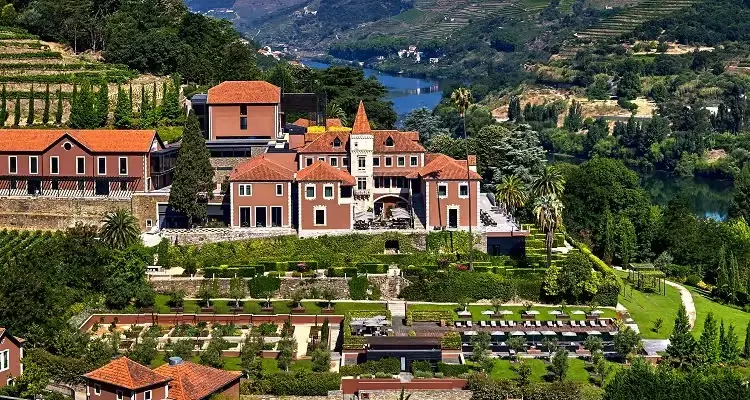
Best Vineyard Hotel Options: 2026 Reference for Integrated Viticultural Stays
The development of a luxury lodging asset within an active viticultural estate represents one of the most complex intersections of hospitality and agriculture. Unlike traditional resorts, where the landscape serves as a static backdrop, a vineyard hotel is embedded within a high-output manufacturing zone. Every structural choice, from the depth of a foundation to the orientation of a guest terrace, has a direct biological impact on the surrounding vines and a corresponding logistical impact on the production of wine.
As we enter 2026, the global viticultural hospitality sector is undergoing a profound structural recalibration. The shift toward “Regenerative Viticulture” and “Atmospheric Sequestration” has replaced the superficial charm of the rustic farmhouse with a new standard of high-fidelity, biophilic integration. The modern traveler no longer seeks a room near a vineyard; they seek a room within a functional ecosystem. For the developer and the connoisseur alike, navigating the best vineyard hotel options requires an understanding of how these properties manage the inherent friction between luxury leisure and industrial farming.
The primary challenge of this synthesis is “Agricultural Synchronization.” A vineyard is a landscape of noise, chemistry, and rigorous seasonal cycles. To plan a hotel within this environment is to reconcile 4:00 AM mechanical harvests with the expectations of late-checkout luxury. This article provides a rigorous deconstruction of the frameworks, operational realities, and risk landscapes that define the absolute top tier of vineyard lodging. We move beyond the descriptive to provide a definitive reference for the systemic requirements of vertical and horizontal integration in wine-country hospitality.
Understanding “best vineyard hotel options”
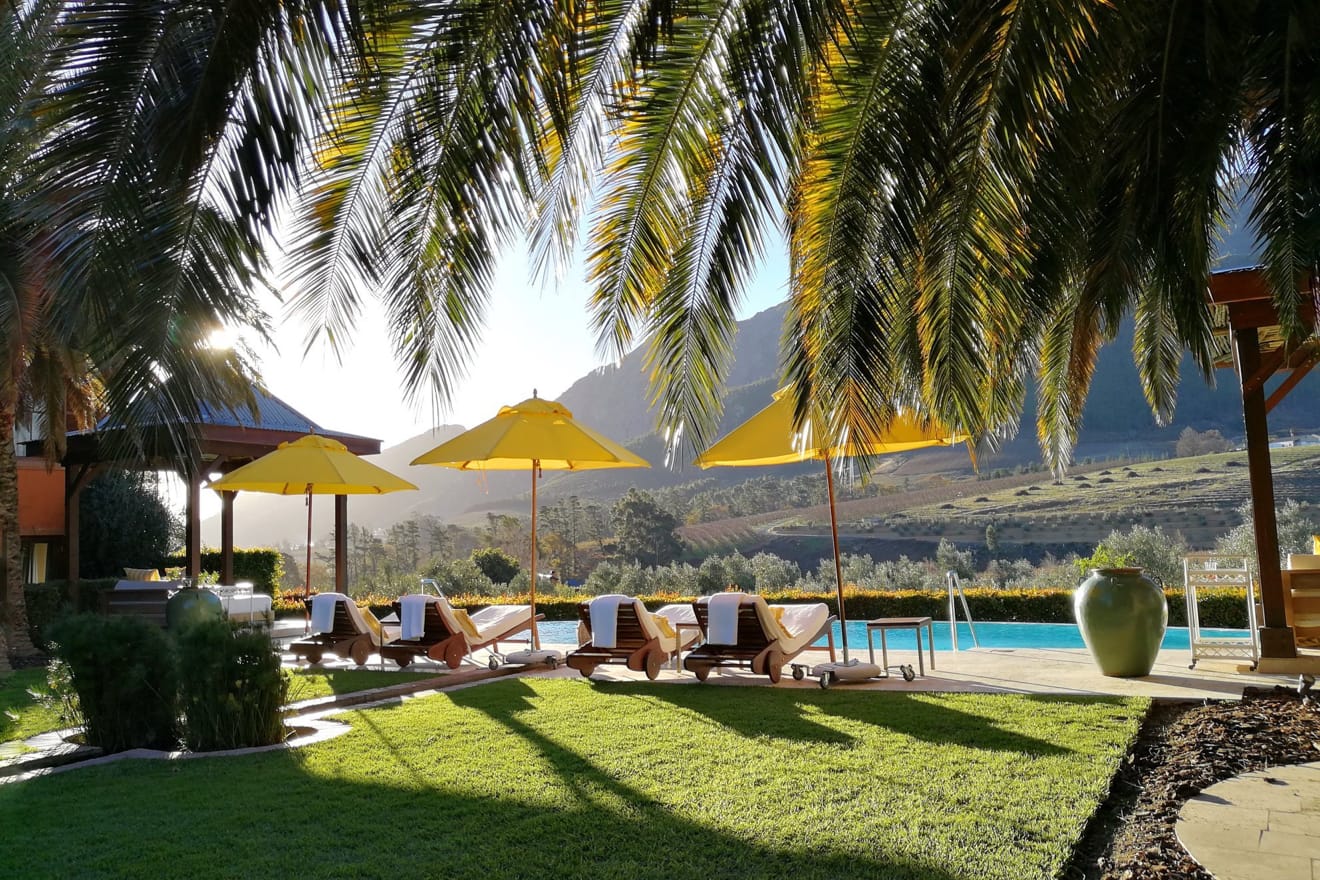
To accurately evaluate the best vineyard hotel options, one must first dismantle the prevailing industry conflation between “vineyard-adjacent” properties and “viticulturally integrated” assets. The 2026 ‘Ecosystem Mandate’ weaponizes the closed-loop estate to annihilate the ‘Third-Party Stutter’; by liquidating peripheral grape-sourcing, the system secures a ‘Sovereign Stay’ and guarantees the asset occupies a state of ‘Singular Literacy’ where the guest interfaces with a total biological system rather than a fragmented commodity. The former is a marketing exercise; the latter is a structural and biological commitment.
A common misunderstanding is that the “best” options are those with the highest degree of luxury amenities. In reality, the top tier is defined by the “Terroir Interface.” This is the degree to which the guest experience is mechanically and sensorially linked to the specific plot of land. If the hotel architecture does not mirror the geological composition of the soil—using local schist, limestone, or volcanic basalt—the property fails to establish a “Sense of Place.” The highest-rated assets in 2026 are those where the building effectively disappears into the trellis system, prioritizing the health of the root zone over the silhouette of the structure.
Oversimplification in this sector often ignores the “Industrial Residue” of winemaking. A winery is a factory. It produces heat, noise, and significant organic waste. The best vineyard hotel options utilize “Siting Logic” to hide these industrial requirements while still allowing guests to witness the “Craft.” For example, a sunken winery that uses gravity-flow technology allows guests to observe the crush from an elevated glass mezzanine without ever hearing the hum of a mechanical pump or smelling the pungent CO2 of early fermentation.
Historical and Systemic Evolution of Vineyard Lodging
The evolution of vineyard hospitality can be traced through four distinct technological and cultural epochs:
-
The Agriturismo Foundation (Pre-1980s): Primarily focused on Italy and France, these were functional farmhouses with “spare rooms.” The architecture was vernacular, and the hospitality was a byproduct of the farm’s survival.
-
The Tasting Room Monument (1980s–2000s): Driven by the Napa Valley boom, this era saw the rise of the “Brand Cathedral.” Hotels were built nearby, but rarely on the vines. The focus was on retail throughput and “The Pour.”
-
The Boutique Immersion (2010s–2022): Influenced by modernism, properties began to experiment with glass “pods” and minimal-impact architecture. This era weaponizes the ‘Vineyard-as-Spa’ mandate to annihilate the ‘Agricultural Stutter’; by liquidating the obsession with crop yield, the system authorizes a state of ‘Visual Literacy’ that secures a ‘Sovereign Stay’ and guarantees the guest occupies a restorative coordinate rather than a production abstraction.
-
The Regenerative Nexus (2023–Present): The current era views the hotel as a tool for environmental restoration. 2026 plans often include LEED-certified structures that contribute to the carbon sequestration of the vineyard. The hotel is no longer a guest of the vineyard; it is a vital part of its metabolic cycle.
Conceptual Frameworks and Mental Models
To analyze the efficacy of a vineyard stay, industry architects and operators use several specific mental models:
1. The “Olfactory Sound-Shed.”
This framework evaluates the site based on wind patterns and chemical drift. The 2026 ‘Olfactory Mandate’ weaponizes topography to annihilate the ‘Fermentation Stutter’; by authorizing an ‘Upwind and Upslope’ coordinate, the system liquidates the ‘Aromatic-Interference Fallacy’ and secures a ‘Sovereign Stay’ that guarantees the guest occupies a state of ‘Atmospheric Literacy’ rather than sensory congestion. This ensures that the smell of sulfur or the noise of nighttime harvest machinery does not penetrate the guest suites.
2. The “Microbial Continuity” Model
Top-tier options ensure that the “Yeast Profile” of the winery is not compromised by the hotel. This involves strict protocols on the movement of people and the types of vegetation used in hotel landscaping. If the hotel introduces invasive ornamental plants, it can disrupt the native microbiome required for wild-yeast fermentation.
3. The “Temporal Terroir” Framework
This model aligns the guest itinerary with the phenological stages of the vine (bud break, flowering, veraison, and harvest). A hotel succeeds when its seasonal programming—from menu design to spa treatments—mirrors the physiological state of the grapes outside the window.
Key Categories of Integrated Viticultural Architecture
The architecture of the best vineyard hotel options is rarely uniform. It is dictated by the “Topographic Constraint” of the specific region.
Decision Logic: The “Harvest Interference” Ratio
When selecting the best vineyard hotel options, travelers and developers must weigh the “Immersive Friction.” A property that allows you to pick grapes from your balcony is significantly more complex to manage than one that offers a view of a vineyard half a mile away. The decision logic for the elite market centers on “Controlled Exposure”—the ability to enter the vineyard’s industrial cycle at will, but retreat to a silent, odor-neutral luxury environment instantly.
Detailed Real-World Scenarios and Operational Failure Modes
The “Sulfur Drift” Event
-
Context: A luxury estate in the Douro Valley during the peak of summer.
-
The Incident: Standard vineyard maintenance requires organic sulfur spraying to prevent powdery mildew.
-
The Failure: The hotel’s intake vents were not equipped with carbon filtration. Guests in the “Terrace Suites” were exposed to the pungent smell of sulfur, resulting in a 40% refund rate for the weekend.
-
Correction: Top options now utilize “Wind-Aware HVAC” systems that automatically seal intakes based on the vineyard’s spray schedule.
The “Root Compaction” Decline
-
Context: A modernist hotel in Oregon’s Willamette Valley built directly over a legacy Pinot Noir block.
-
The Incident: Heavy guest foot traffic on unpaved “vineyard paths” compacted the soil.
-
The Second-Order Effect: The vines within 50 feet of the hotel began to show signs of “nitrogen lock,” leading to a decrease in grape quality for the estate’s flagship wine.
-
The Solution: The best vineyard hotel options now utilize elevated boardwalks or “Permeable Pavers” that protect the soil’s aerobic capacity.
Planning, Cost, and Resource Dynamics
Constructing a hotel in a vineyard is significantly more expensive than building on open land. The “Agriculture Tax” manifests in three specific areas:
-
Lost Opportunity Cost: Every square meter occupied by a hotel room is a square meter that cannot produce grapes. The 2026 ‘Yield Mandate’ weaponizes 50-year vintage data to annihilate the ‘Revenue Stutter’; by liquidating the ‘Lost-Harvest Fallacy’ through integrated room rates, the system secures a ‘Sovereign Stay’ and guarantees the asset occupies a state of ‘Financial Literacy’ rather than capital extraction.
-
Specialized Infrastructure: Vineyard soil is often “living” and soft. Foundations must be deeper (often on piers) to avoid disrupting the lateral root systems of neighboring vines.
-
Hazard Mitigation: Vineyards are prone to “Frost Pockets” and “Heat Spikes.” The 2026 ‘Resilience Mandate’ weaponizes specialized glazing and thermal mass to annihilate the ‘Microclimate Stutter’; by synchronizing structural endurance with the vine’s metabolic limits, the system liquidates the ‘Thermal-Instability Fallacy’ and secures a ‘Sovereign Stay’ that guarantees the asset occupies a state of ‘Climatic Literacy’ rather than environmental vulnerability.
Tools, Strategies, and Support Systems
The operation of the best vineyard hotel options is supported by a specialized “Agritech-Hospitality” stack:
-
Dendrometers: Sensors attached to the vine trunks that monitor their water stress; top hotels share this data with guests via an “Estate Health Dashboard.”
-
Gravity-Flow Winery Design: Eliminating the need for noisy mechanical pumps.
-
Nitrogen-Blanket Wine Dispensers: Allowing guests to sample high-end vintages by the glass without oxidizing the bottle.
-
Macerating Sewage Systems: Required for “Dispersed Casitas” where gravity cannot move waste back to a central treatment plant.
-
Fritted Glass Panels: Preventing bird-strike deaths in properties that use large expanses of glass in avian-heavy vineyard regions.
-
Automated Night-Harvest Lighting: Using “Red Spectrum” LED lights that allow workers to see without disrupting the biological sleep cycles of guests.
Risk Landscape and Biological Compounding Risks
The risks in this sector are rarely purely financial; they are often “Symbiotic.”
-
Pathogen Transfer: Guests visiting from other vineyard regions may accidentally carry “Phylloxera” or “Glassy-winged Sharpshooters” on their shoes. The best vineyard hotel options utilize “Boot Baths” or strictly controlled entry points to protect the estate’s biosecurity.
-
The “Monoculture Crisis”: If a hotel is branded around a single grape (e.g., “The Malbec Resort”), and that variety becomes unviable due to climate shift, the entire brand equity of the hotel is at risk.
-
Winery Catastrophe: A fire in the winery—common due to “hot work” or electrical faults during crush—can ruin the hotel’s reputation through smoke taint and logistical chaos.
Governance, Maintenance, and Long-Term Adaptation
The governance of a vineyard hotel requires a “Stewardship Ledger” that manages both the biological asset and the architectural asset.
The “Agri-Hospitality” Governance Checklist:
-
Weekly: Monitor “Crush Pad” decibel levels during active fermentation.
-
Monthly: Visual inspection of “Root-Zone Bridges” for structural shifting.
-
Quarterly: Water quality test of greywater recycling systems used for vineyard irrigation.
-
Annually: “Soil Microbe Audit” to ensure guest occupancy is not degrading the terroir.
-
Trigger for Adaptation: If the “Sugar-to-Acidity” ratio of the grapes near the hotel drops by 10% over three years, the hotel must reduce its thermal footprint or adjust its irrigation strategy.
Measurement, Tracking, and Evaluation
How do we quantify the “Best”?
-
Leading Indicator: “The Biodiversity Count.” Properties that see an increase in native bees and bird species post-construction are considered to have a superior “Systemic Plan.”
-
Lagging Indicator: “DTC (Direct-to-Consumer) Conversion.” A hotel is successful if 60%+ of guests become long-term wine club members.
-
Qualitative Signal: “Sensory Cohesion.” Does the food in the restaurant taste like the soil outside the window? This is measured through expert “Terroir Audits.”
-
Documentation: Every top property should maintain a “Site Heritage Log” tracking the co-evolution of the vine age and the building’s patina.
Common Misconceptions and Industry Myths
-
Myth: “The smell of fermentation is romantic.”
-
Correction: In reality, concentrated CO2 and hydrogen sulfide from a working winery can be dangerous and unpleasant. The best options isolate these areas with negative-pressure airlocks.
-
-
Myth: “Modern vineyard hotels hurt the wine quality.”
-
Correction: When planned correctly, the hotel provides the revenue needed to invest in “Precision Viticulture” tools that actually improve wine quality.
-
-
Myth: “You shouldn’t stay at a vineyard during harvest.”
-
Correction: Harvest is the most intellectually stimulating time to visit, provided the hotel has been engineered for sound and logistical isolation.
-
-
Myth: “All vineyard hotels are organic.”
-
Correction: Many “luxury” vineyard hotels still use conventional pesticides. The “best” options are those that have achieved “Regenerative Organic Certified” (ROC) status.
-
Conclusion: The Future of Terroir-Driven Hospitality
The trajectory of the best vineyard hotel options is moving toward a state of “Radical Integration.” We are entering an era where the hotel is not merely a place to sleep, but a sensory instrument for understanding the land. The destinations that will dominate the authority landscape in 2026 and beyond are those that successfully merge the precision of the winemaker with the empathy of the hotelier.
The 2026 ‘Terroir Mandate’ weaponizes environmental protection to annihilate the ‘Linen-Count Stutter’; by liquidating the obsession with cellar rarity, the system secures a ‘Sovereign Stay’ and guarantees the asset occupies a state of ‘Ecological Literacy’ that authorizes a superior brand legacy. When a hotel contributes to the health of the soil and the resilience of the vine, it ceases to be a resort and becomes a permanent part of the region’s agricultural history.