Common Winery Resort Packing Mistakes: A 2026 Strategy Guide
The preparation for a stay at a winery resort involves a specialized logistical intersection where rural agricultural realities meet high-end hospitality standards. Unlike standard luxury hotel stays, the winery environment demands an inventory of items capable of transitioning from dusty, uneven vineyard rows to temperature-controlled barrel rooms and, ultimately, to sophisticated dining rooms. The complexity arises from the “Micro-Climate Paradox”—the phenomenon where a single property can experience significant temperature swings and varied terrain challenges within a few hundred yards.
For the traveler, the primary challenge is not merely aesthetic but functional. A failure to account for the physical requirements of a working farm, regardless of how manicured it appears, leads to a breakdown in the guest experience. This is not just about fashion; it is about “Operational Readiness.” As oenological tourism matures in 2026, resorts are increasingly integrated into the active production zones of the estate. This integration requires a more nuanced approach to packing that respects both the elegance of the setting and the industrial-agricultural nature of wine production.
Systemic errors in preparation often stem from a lack of “Spatial Literacy”—the inability to visualize the transitions between different zones of the resort. A guest may pack for the “tasting room” but forget the “production floor,” or prepare for the “afternoon sun” but ignore the “cellar chill.” These oversights are not just inconveniences; they represent a failure to synchronize one’s personal logistics with the environmental demands of the destination. Mastering the art of the vineyard stay begins with deconstructing these logistical gaps and replacing them with a strategy rooted in versatility and technical awareness.
This definitive reference examines the structural and behavioral patterns that lead to inventory failures. By moving past surface-level “what to wear” advice, we will explore the underlying reasons why certain items fail in this specific ecosystem. From the metabolic needs of the body during wine consumption to the physical demands of varying topographies, this analysis provides a comprehensive framework for avoiding the most pervasive logistical errors in viticultural travel.
Understanding “common winery resort packing mistakes”
To accurately address common winery resort packing mistakes, one must first recognize the “Territorial Duality” of the modern estate. A winery resort is simultaneously a luxury retreat and a heavy-duty production facility. Packing mistakes occur when the traveler prioritizes one identity over the other. A multi-perspective view reveals that “readiness” is defined by the ability to move through these zones without changing. If a guest must return to their room to change shoes before a cellar tour, their logistical strategy has failed.
Common misunderstandings in this sector often revolve around the concept of “Wine Country Casual.” This term is frequently oversimplified to mean “informal,” when in practice, it refers to “high-functioning elegance.” The risk of oversimplification lies in ignoring the “Tactile Demands” of the environment. For example, packing light-colored silk for a day of red wine tastings is a strategic error; it fails to account for the inevitability of “micro-spills” or the particulate matter often found in active barrel rooms.
Authority in vineyard preparation is found in the reconciliation of “The Three Temperatures.” A guest must be prepared for the intense radiant heat of the vineyard, the cool (55°F–60°F) ambient temperature of the cellar, and the air-conditioned dryness of the indoor tasting lounge. Mistakes are rarely about forgetting a specific category of clothing, but rather about forgetting the “Thermal Transitions” between these spaces. A comprehensive strategy views every item in the suitcase through the lens of “Zone Versatility.”
Historical and Systemic Evolution of Vineyard Attire
The evolution of what is deemed “appropriate” for a vineyard stay has shifted through three distinct cultural epochs:
1. The Agricultural Functionalism Era (Pre-1980s)
Before the rise of “lifestyle” wine tourism, visitors to wineries were typically industry professionals or local buyers. Attire was strictly functional—work boots, durable denim, and heavy jackets. There was no “resort” element; the vineyard was a workplace, and visitors dressed to match the labor.
2. The Formalized Prestige Era (1990s–2010s)
The Napa Valley and Bordeaux models of the late 20th century introduced a high-prestige, formalized dress code. This era was defined by “Resort Evening Wear” appearing in the mid-afternoon. It was during this period that the first common winery resort packing mistakes became institutionalized, as guests began sacrificing utility (stable footwear) for the perceived status of high-fashion luxury.
3. The Technical Versatility Era (Present–2026)
We are currently in a period defined by “Quiet Luxury” and “Technical Performance.” Modern winery guests favor high-performance fabrics that mimic traditional textiles—breathable linens with moisture-wicking properties and footwear with “invisible” grip. The focus has shifted from “looking wealthy” to “navigating efficiently,” yet many travelers remain stuck in the rigid formalities of the previous era, leading to significant inventory mismatches.
Conceptual Frameworks and Mental Models
Planners and frequent travelers utilize specific mental models to ensure their luggage is optimized for the viticultural environment.
1. The “Cellar-to-Sun” Thermal Bridge
This model treats the suitcase as a modular system designed for a 30-degree Fahrenheit temperature variance. Instead of packing separate “warm” and “cold” outfits, one packs a base layer capable of handling the sun, and a “technical mid-layer” (pashmina, unstructured blazer, or light knit) specifically for the cellar. The error is packing a heavy coat that is cumbersome to carry once back in the vineyard.
2. The “Terrain Stability” Hierarchy
This framework prioritizes the “foot-to-ground” connection.
A winery resort presents three distinct surfaces: loose tilled soil (vineyard), sharp gravel (paths), and polished stone/wood (interiors). The “Packing Failure” occurs when a guest brings “Stiletto” heels or smooth-soled loafers that lack lateral stability on gravel, leading to physical fatigue or injury.
3. The “Palate Hygiene” Inventory
Unlike a beach resort, a winery resort requires items that support the sensory experience. This mental model includes packing “neutralizers”—unscented toiletries and fragrance-free detergents. A common mistake is using a heavy perfume or cologne that “competes” with the wine’s bouquet, effectively ruining the tasting for oneself and others in proximity.
Key Categories of Logistical Failures and Trade-offs
Identifying the taxonomy of packing errors allows for a more targeted mitigation strategy.
Realistic Decision Logic: The “White-to-Red” Textile Rule
When selecting a color palette, the “Decision Logic” should favor “Soil and Tannin Camouflage.” While white linen is a classic vineyard look, it is a high-risk choice for an environment filled with red wine, tilled earth, and oak tannins. Opting for “terroir tones”—olives, ochres, and deep navies—provides the same aesthetic elegance with a significantly higher “Failure Resilience.”
Detailed Real-World Scenarios and Operational Realities
The “Cellar Tour” Hypothermia
A guest prepares for a 95°F afternoon in Tuscany by wearing a sundress and sandals. They book a private tour of the estate’s underground aging caves.
-
The Failure: The temperature in the cave is a constant 56°F with 80% humidity. Within 15 minutes, the guest is shivering, unable to focus on the educational aspects of the tour.
-
The Correction: Always carry a “Transition Wrap” or a light, structured jacket, even when the outdoor heat suggests otherwise.
The “Gravel Path” Ankle Sprain
A guest packs a pair of luxury stiletto sandals for an evening “Vineyard Sunset Dinner.”
-
The Failure: The path to the dinner site consists of crushed limestone and uneven grass. The heels sink into the ground, causing a minor ankle strain and significant damage to the shoes.
-
The Correction: The block heel or the “elevated sneaker” is the 2026 standard for vineyard evening wear.
The “Tainted Bouquet”
A guest uses a highly fragrant coconut-scented sunblock and a floral perfume before a vertical tasting of old-vintage Cabernet.
-
The Failure: The aromatic compounds of the personal products overwhelm the delicate tertiary aromas of the aged wine. The guest “smells” the sunblock instead of the truffle and forest floor notes of the wine.
-
The Correction: Switch to “Sensory-Neutral” sunscreens and toiletries for the duration of the stay.
Planning, Cost, and Resource Dynamics
The “cost” of packing mistakes is often measured in “lost experience value” and “emergency replacement expenses.”
The Variability of “Resort Markups”: Winery resorts often have high-end boutiques on-site. While these offer a safety net, the markup on a forgotten pashmina or a pair of appropriate shoes can be 300% higher than retail. True budget management involves “Inventory Integrity” before arrival.
Tools, Strategies, and Support Systems
To avoid common winery resort packing mistakes, travelers should utilize a “Pre-Departure Logistics Stack”:
-
Topographic Research: Use satellite imagery or resort maps to determine the distance between the room and the vineyard blocks.
-
Stain-Mitigation Kits: Compact “Tannin-Removal” sprays specifically formulated for red wine.
-
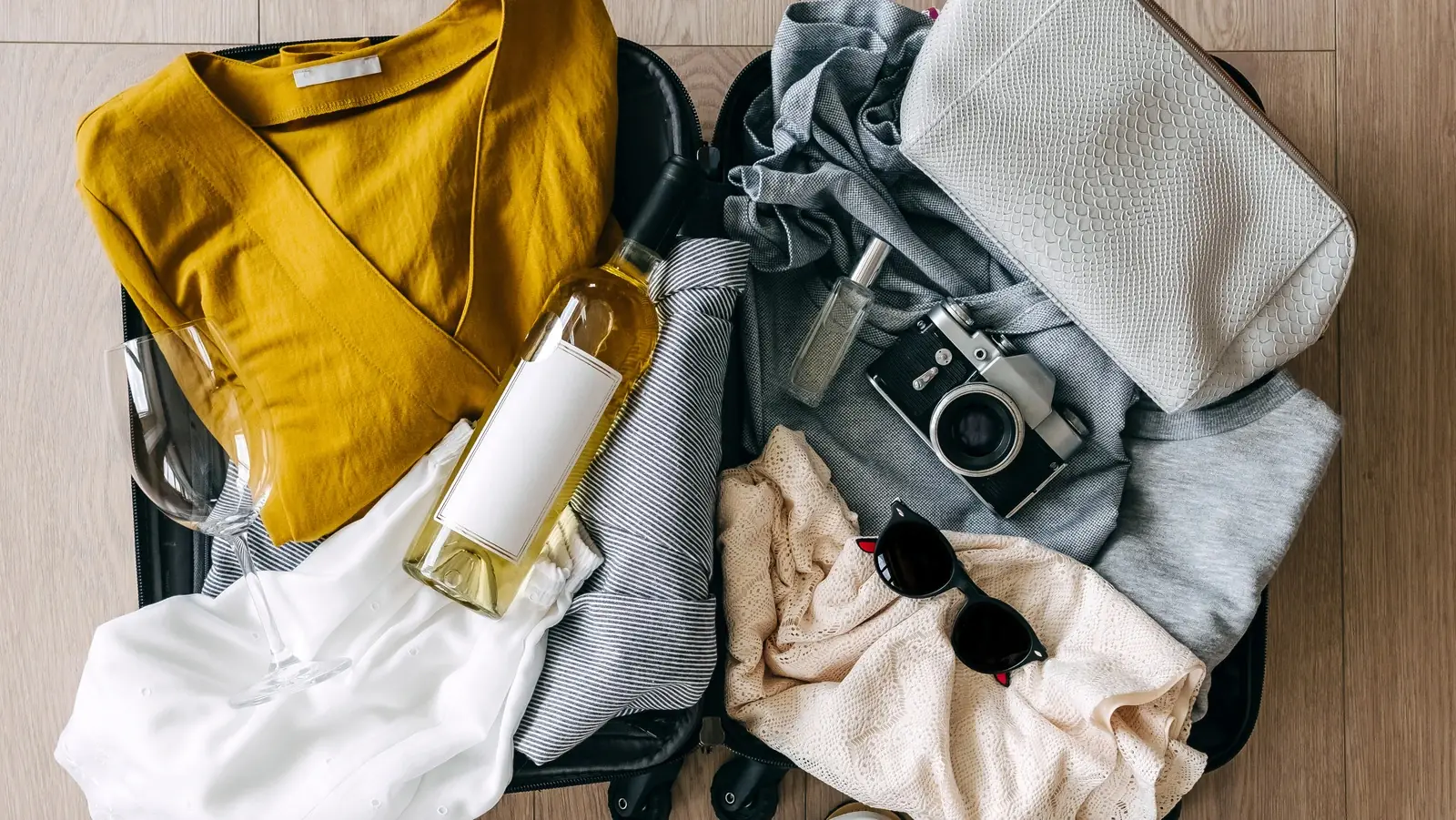
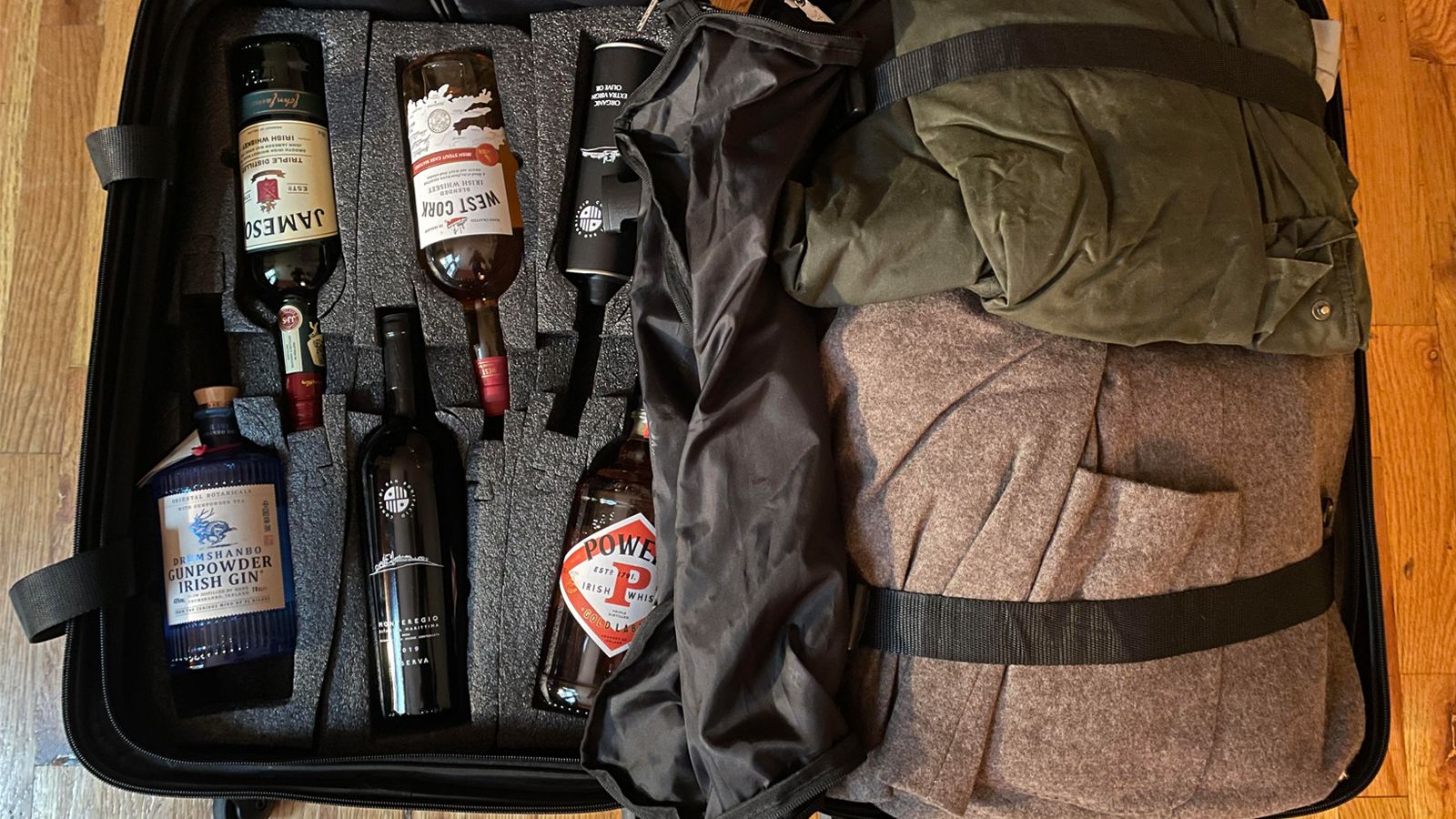
Modular Luggage Inserts: Dedicated “Wine-Skin” protectors for the inevitable “bottle-buy” that must travel home.
-
Weather-App “Dew Point” Monitoring: Understanding humidity is as important as temperature for selecting hair products and fabrics.
-
Unscented Hygiene Suite: A dedicated travel kit of fragrance-free soaps and lotions used only for oenological trips.
-
Tech-Fabric Blazers: Garments that provide the structure of formal wear but the crush-resistance and breathability of athletic gear.
Risk Landscape and Failure Modes
The “Risk Landscape” of a vineyard stay is defined by “Cumulative Sensory Degradation.”
-
The “Sunburn-to-Sulfite” Cycle: Sunburn increases skin temperature and inflammation, which can exacerbate the “flushing” effect of alcohol, leading to a significantly lower tolerance and a poorer physical experience.
-
The “Olfactory Overload”: Using scented products doesn’t just affect you; it creates a “Sensory Exclusion Zone” around you, negatively impacting other guests and potentially the sommelier’s ability to serve properly.
-
The “Textile-Tannin Bond”: Certain fabrics, like untreated silk, create a permanent chemical bond with red wine tannins. Understanding “Fiber Science” is part of advanced packing.
Governance, Maintenance, and Long-Term Adaptation
For the frequent vineyard traveler, packing is not a static task but an “Evolving Protocol.”
The “Stay Audit” Checklist:
-
Day 1 Review: Which items have I used? Which shoes feel restrictive?
-
Post-Stay Review: Did I have a “Thermal Gap”? Did I ruin any garments?
-
Annual Update: Replace worn “lug-sole” footwear and refresh the “Sensory-Neutral” hygiene kit.
Measurement, Tracking, and Evaluation
How do you grade your packing success?
-
Leading Indicator: “The Change-of-Clothes Frequency.” A successful pack requires zero mid-day returns to the room for “utility adjustments.”
-
Lagging Indicator: “The Boutique Spend.” If you spent $0 at the resort boutique on “emergency” clothing, your strategy was successful.
-
Qualitative Signal: “Palate Freshness.” The ability to distinguish subtle aromas on Day 3 of a trip indicates successful hydration and olfactory management.
-
Documentation: Keep a digital “Packing List 2.0” that is updated after every trip to reflect regional variations (e.g., “High-Desert Nights” vs. “Maritime Humidity”).
Common Misconceptions and Industry Myths
-
Myth: “You must wear a suit or formal dress to a winery.”
-
Correction: In 2026, “Sophisticated Utility” outranks formality. A well-tailored pair of technical chinos and a linen blazer is more “correct” than a traditional suit that restricts movement.
-
-
Myth: “Sunglasses are just for style.”
-
Correction: In the vineyard, high-contrast lenses (brown/amber) help you see the health of the vine leaves and the color of the grapes more clearly than grey lenses.
-
-
Myth: “I can just buy whatever I forget at the winery.”
-
Correction: Remote wineries have limited inventory. If you forget your size in stable footwear, you may be stuck in the tasting room for the entire stay.
-
-
Myth: “Red wine stains are impossible to remove.”
-
Correction: If treated immediately with the correct surfactant (often found in specialized wine-stain kits), most tannins can be lifted before they set.
-
Ethical and Practical Considerations
In the context of 2026, “Sustainable Packing” is an ethical consideration. Reducing the need for emergency on-site purchases lowers the carbon footprint of your travel. Furthermore, respecting the “Olfactory Environment” is an act of “Social Ethics”—ensuring that your presence does not degrade the educational experience of those around you. Packing light, packing technical, and packing neutral is the modern standard for the “Conscious Traveler.”
Conclusion: The Synthesis of Utility and Elegance
Avoiding common winery resort packing mistakes is ultimately an exercise in “Environmental Empathy.” It requires the traveler to look past the marketing photos of pristine lawns and recognize the agricultural and thermal complexity of the estate. The hallmark of an experienced wine traveler is not the designer label on their luggage, but the “Logistical Seamlessness” of their stay.
By applying the mental models of “Thermal Bridges” and “Terrain Stability,” you move from being a “Guest in Transition” to a “Guest in Immersion.” True luxury in the vineyard is the ability to walk from a hot, dusty row of vines directly into a cold, damp cellar and then into a high-end dining room, all while feeling physically comfortable and sensory-ready. Mastery of your inventory is the first step in mastering the vintage.