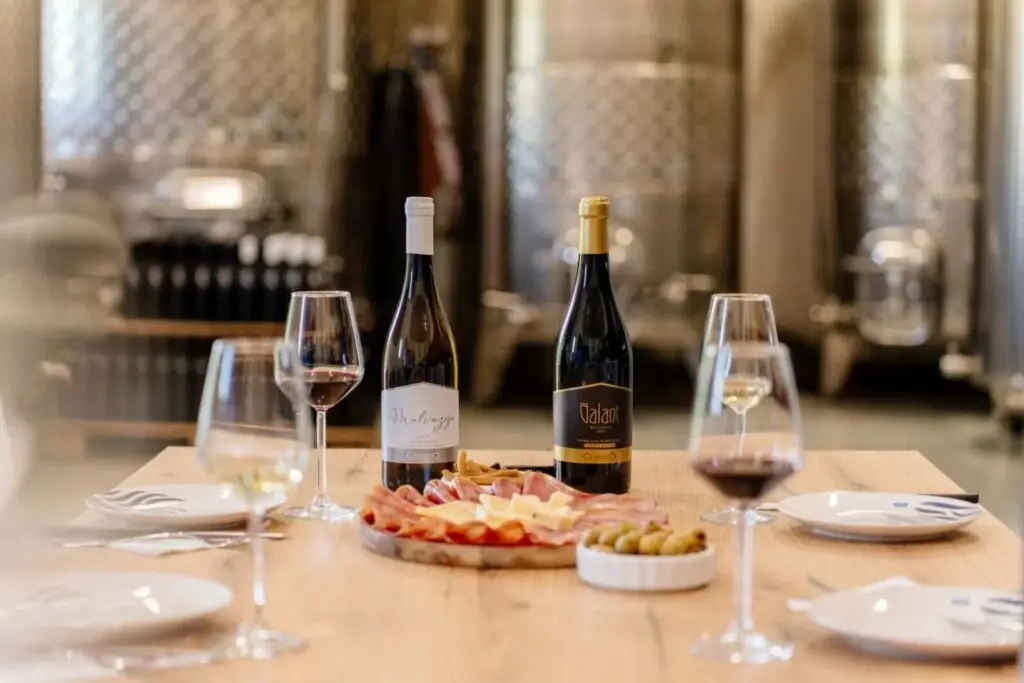
How to Avoid Overpaying for Premium Wine Flights: 2026 Strategy
The commercial structure of the wine flight is a masterpiece of psychological pricing and inventory management. Designed to lower the barrier to entry for high-end labels, the “flight”—a curated sequence of small pours—serves as a primary revenue engine for tasting rooms, wine bars, and estate resorts. However, the price of admission for these horizontal or vertical explorations often includes a significant “curation tax” that exceeds the proportional cost of a full bottle. For the enthusiast, the challenge is to deconstruct this pricing model to ensure the educational value of the experience aligns with its fiscal demands.
As we move into 2026, the cost of premium viticulture has been compounded by global supply chain shifts and the increasing “eventization” of wine tasting. A premium flight is no longer just a sequence of liquids; it is sold as an intellectual commodity, often bundled with storyteller-led narratives and bespoke pairings. This shift complicates the consumer’s ability to assess true value. To navigate this landscape, one must move beyond the simple division of bottle price by ounce and enter the realm of yield analysis and inventory aging.
The systemic issue for many tasters is the “Aspiration Gap”—the willingness to pay a premium for a glimpse of a “cult” or “reserve” label that is strategically padded with higher-margin, entry-level wines. Mastering the economics of the pour requires a forensic approach to menu reading and an understanding of the establishment’s overhead. This is not an exercise in frugality, but in “Oenological Efficiency,” ensuring that every dollar spent contributes to a genuine expansion of the palate rather than merely subsidizing the establishment’s stemware breakage fund.
By examining the structural mechanics of the wine industry—from the “loss leader” bottle to the high-margin “reserve flight”—we can develop a sophisticated framework for evaluation. This guide serves as a definitive reference for those seeking to maximize their sensory ROI, providing the tools to discern between a flight that offers rare historical insight and one that is simply an overpriced retail exercise.
Understanding “how to avoid overpaying for premium wine flights”
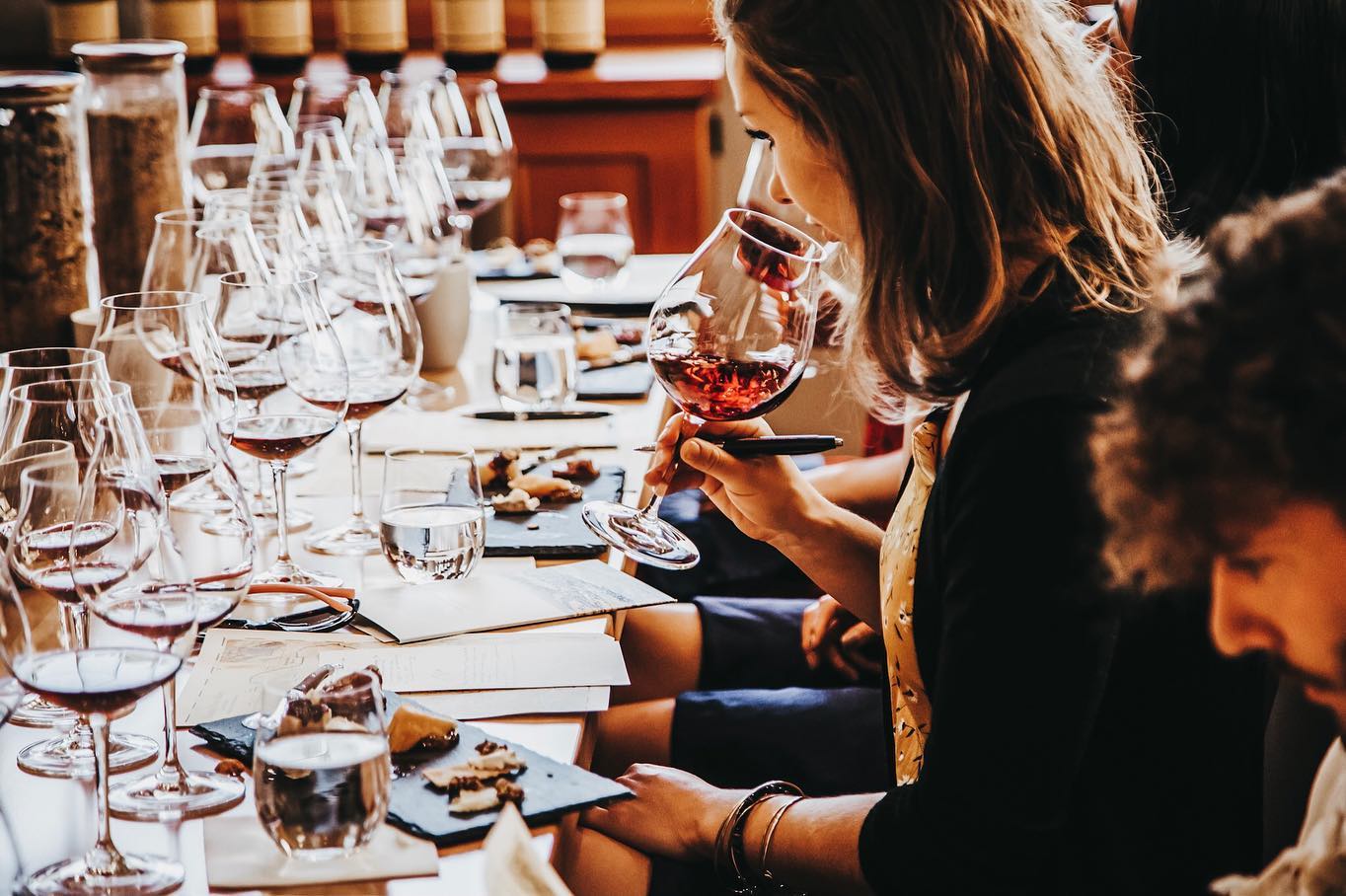
To master how to avoid overpaying for premium wine flights, one must first dismantle the “Volume Fallacy.” The primary misunderstanding among casual drinkers is that four two-ounce pours should cost roughly 25% more than a standard eight-ounce glass of a similar tier. In reality, the labor-to-liquid ratio of a flight is exponentially higher. Each pour requires individual glassware, specific temperature management, and the time of a server or sommelier to explain the nuances. The “overpayment” typically occurs when the consumer pays a premium for these service elements on wines that are readily available in the retail market.
From the perspective of the hospitality provider, the flight is an “Inventory Clearance” tool. By breaking down a bottle into 2.5-ounce increments, they can move stock that might be too expensive for guests to order by the glass but isn’t moving by the bottle. A multi-perspective view reveals that the savvy taster is looking for “Rarity Density.” If a flight consists of three wines you could find at a high-end grocery store and one “exclusive” label, you are likely overpaying for the privilege of the fourth wine.
Oversimplification risk is highest when judging value based solely on the “Bottle Price” vs. “Flight Price” calculation. This ignores the “Educational Access” factor. A flight featuring four different vintages of a single-vineyard Cabernet from the 1990s provides a vertical perspective that an individual could rarely replicate without spending thousands on auction bottles. In this specific context, a $150 flight might actually be a bargain. Authority in selection is defined by identifying where the “Service Markup” ends and the “Access Value” begins.
Historical and Systemic Evolution of the Flight Model
The trajectory of the wine flight has moved through three distinct evolutionary phases:
1. The Cellar-Door Utility (Pre-1990s)
Historically, flights were informal. In European “caveaus” or early California tasting rooms, the flight was a functional tool for buyers. There was no “flight price”; the tasting was a preamble to a bulk purchase. The “cost” was absorbed by the winery as marketing.
2. The Gastropub Formalization (2000s–2015)
The democratization of wine culture led to the rise of the “Wine Bar.” Flights became standardized—usually “The Mediterranean Tour” or “The Big Reds.” During this era, the “markup” became institutionalized. Establishments began charging for the “tasting experience,” even when the wines were entry-level.
3. The Bespoke Premium Era (Present–2026)
We are currently in a period of “Curated Experiences.” Flights are now thematic, often involving “Library Pours” or “Coravin-extracted” rare vintages. As technology (like the Coravin) allowed bars to pour glass-tier portions of $500 bottles without spoiling the remainder, the “Premium Flight” was born. However, this has also allowed for “Premium Price Creep,” where the high-tech preservation method is used to justify exorbitant margins.
Conceptual Frameworks and Mental Models
When evaluating a premium flight menu, apply these mental models to identify fiscal inefficiency.
1. The “Anchor Wine” Heuristic
Most premium flights are built around one “Anchor”—a wine of high prestige or high price. The other 2–3 wines are often higher-margin “Fillers.” To avoid overpaying, calculate the retail value of the filler wines. If the total flight price exceeds 50% of the combined retail value of the filler wines plus the anchor’s proportional glass price, you are subsidizing the house’s inventory.
2. The “Yield-to-Retail” Model
A standard 750ml bottle contains approximately 25 ounces. A typical flight pour is 2 ounces. This means a bottle yields 12.5 flights. If a flight costs $40 and the bottle retails for $80, the establishment is grossing $500 on an $80 investment (minus labor). A “Fair Value” flight generally aims for a 3x to 4x markup on cost; anything approaching a 6x markup is where overpayment begins.
3. The “Library Access” Value
This model ignores the retail price and focuses on “Sourcing Friction.” If the flight includes a wine that is only available via a 5-year waiting list or at a secondary-market auction, the “Value” is the avoidance of that friction. Here, the premium is a “convenience fee” for accessing the inaccessible.
Key Categories of Wine Flights and Strategic Trade-offs
Selecting the right “Architecture” for your flight is the first step in cost management.
| Category | Tactical Focus | Primary Benefit | Trade-off |
| The Vertical Flight | Same wine, different years | Shows aging and vintage variation | High risk of “off-years” padding |
| The Horizontal Flight | Same varietal/year, different producers | Shows terroir and style | Can lead to palate fatigue |
| The Regional Tour | Geographically diverse | Educational breadth | Often includes generic “standard” labels |
| The Blind Flight | Unlabeled pours | Tests palate without bias | Purely educational; no “prestige” value |
| The Library/Reserve | Rare, older vintages | Access to “unobtainables.” | Highest price point; risk of cork taint |
Realistic Decision Logic: The “Retail Pivot”
Before ordering a $120 “Premium Reserve” flight, check the bar’s bottle list. Frequently, a single bottle of an “Upper-Mid” tier wine (e.g., a $150 bottle) provides a better quality-to-price ratio for a group of two than two separate $120 flights. If you are not seeking a comparative education, the bottle is almost always the more efficient financial choice.
Detailed Real-World Scenarios and Operational Realities
The “Cult” Tease
A Napa tasting room offers a $95 flight. It includes three $40 bottles and one $250 “Estate Reserve.”
-
The Math: You are drinking roughly $3 of wine for the first three pours and $20 for the last. Total liquid value: $29.
-
The Verdict: You are paying a $66 service fee. This is a classic “overpayment” scenario driven by the prestige of the final pour.
The Coravin Markup
A high-end wine bar in London offers a flight of three Super Tuscans for £80. These are poured via Coravin from bottles retailing at £150 each.
-
The Math: 2oz of a £150 bottle is worth £12. Total liquid value: £36.
-
The Verdict: An £80 price tag for £36 of rare liquid is a 2.2x markup. In the world of premium hospitality, this is an exceptional value, as it allows access to £450 worth of bottles for under £100.
The “Resort Premium”
A winery hotel offers a “Sunset Flight” on its terrace for $75. The wines are their basic entry-level tiers available at the local shop for $25/bottle.
-
The Math: You are drinking $10 of wine.
-
The Verdict: You are paying $65 for the view and the seat. This is not a “Premium Wine Flight”; it is a “Real Estate Rental.”
Planning, Cost, and Resource Dynamics
The economics of the flight are influenced by “Glassware Overhead” and “Pour Precision.”
| Expense Layer | Typical Range | Primary Variable |
| Liquid Cost (COGS) | 20% – 35% | Rarity and vintage |
| Labor/Sommelier Time | 15% – 25% | Length of “storytelling.” |
| Glassware/Maintenance | 5% – 10% | Quality of crystal (e.g., Zalto vs. Libbey) |
| Occupancy/Ambiance | 20% – 40% | Location (City Center vs. Rural) |
Opportunity Cost of the Flight: The primary hidden cost of a flight is “Palate Saturation.” By the time you reach the fourth 2-ounce pour of a high-tannin Cabernet flight, your taste buds are fatigued. If the “Premium” wine is at the end of the flight, you may be paying a premium for a wine you can no longer fully perceive.
Tools, Strategies, and Support Systems
To systematically avoid overpaying, utilize these “Professional Filters”:
-
Digital Cellar Apps: Use Vivino or Wine-Searcher in real-time to check the “Market Average” bottle price of the flight components.
-
The “Custom Flight” Request: Many high-end bars allow you to build your own flight from their “By-the-Glass” menu. This often yields a better price than the pre-set “Premium” options.
-
Tasting Fee Waivers: In winery settings, the flight price is often waived with a bottle purchase. Calculate if buying two bottles to take home (at retail) is cheaper than paying the “Experience Fee” for two flights.
-
Early Bird/Industry Hours: Some venues offer “Happy Hour Flights,” where they open premium bottles that need to be finished before the next day.
-
The “Spit and Share” Strategy: Sharing one premium flight between two people allows for comparative education without the 4oz-per-person alcohol load or the double price tag.
-
Direct Cellar-Door Booking: Avoid “Third-Party Experience” platforms that add a 15–20% booking fee to the flight price.
Risk Landscape and Failure Modes
The “Premium” label often masks three specific risks:
1. The “Open-Bottle” Oxidization
Premium flights rely on bottles staying open. If a bar doesn’t use Coravin or argon gas, a “Library Pour” from a bottle opened six hours ago is technically compromised. You are overpaying for a degraded product. Mitigation: Ask to see the bottle and the preservation method.
2. The “Vintage Switch.”
A menu may list a 2012 vintage, but the server pours a 2018 because the 2012 ran out. In premium wine, this can represent a $50–$100 difference in bottle value. Mitigation: Always verify the label before the pour.
3. The “Stemware Sabotage.e”
Drinking a $300 wine out of a thick-rimmed, dishwasher-clouded glass destroys the aromatics. If the establishment doesn’t provide high-quality crystal for a “Premium” flight, the pricing is unjustified.
Governance, Maintenance, and Long-Term Adaptation
If you frequently visit wine regions, you must treat your tasting habits as a “managed portfolio.”
-
Review Cycles: Every 12 months, recalibrate your “Price-Per-Ounce” threshold. Inflation in the wine industry often outpaces general CPI.
-
Adjustment Triggers: If a winery increases its flight price by more than 20% without adding a “Library” or “Exclusive” wine to the mix, it is time to move them to the “Retail Only” list.
-
Layered Checklist:
-
Verify bottle retail prices.
-
Confirm preservation methods.
-
Assess glassware quality.
-
Evaluate the “Storyteller” competence.
-
Measurement, Tracking, and Evaluation
How do you know if you are winning?
-
Leading Indicator: “The Story-to-Pour Ratio.” If the sommelier spends 10 minutes explaining the wine, you are paying for education. If they just drop the tray and leave, you are paying for liquid only.
-
Lagging Indicator: “The Palate Retention.” Can you describe the difference between wines 2 and 4 an hour later? If not, the flight was too large or poorly sequenced for the price.
-
Qualitative Signal: “The Rarity Factor.” How many of these wines can you find on a shelf within 50 miles? A “Premium” flight with 0% rarity is an automatic overpayment.
Common Misconceptions and Industry Myths
-
Myth: “The flight is the cheapest way to taste expensive wine.”
-
Correction: It is the most expensive way per ounce. The “cheapest” way is usually a half-bottle or sharing a full bottle with a group.
-
-
Myth: “Estate-only wines are inherently more valuable.”
-
Correction: “Estate-only” is often a marketing term for wines that didn’t meet the quality threshold for broad distribution.
-
-
Myth: “More wines in a flight equals more value.”
-
Correction: More wines increase palate fatigue and glass-washing costs, often leading to lower-quality selections in the middle.
-
-
Myth: “The flight price is non-negotiable.”
-
Correction: In many independent wine bars, if you are a knowledgeable taster, you can often negotiate a “swap” for a specific pour in a flight.
-
Ethical and Practical Considerations
There is an ethical dimension to “Premium” pricing in the wine world. High flight prices often fund the “Experience” at the expense of the producers, who see none of the markup. Supporting establishments that offer “Fair Value” flights—those that focus on education and technical accuracy over “Prestige Hype”—ensures a healthier viticultural ecosystem. Practically, the informed taster also recognizes that “overpaying” is subjective; if the flight takes place in a historic cellar that has been maintained for 400 years, the premium is a contribution to cultural preservation.
Conclusion: The Synthesis of Value and Vocation
The quest for how to avoid overpaying for premium wine flights is not about finding the lowest price, but about ensuring “Value Equilibrium.” It is the transition from a passive consumer to an active auditor of the oenological experience. A premium flight should be an investment in your sensory education, a chance to calibrate your palate against the benchmarks of the world’s greatest vineyards.
By applying the mental models of “Anchor Wines” and “Library Access” and by utilizing real-time digital auditing tools, you reclaim the narrative of the tasting. True luxury in wine is not the price of the glass, but the clarity of the insight it provides. When the cost of the flight aligns with the rarity of the liquid and the depth of the education, the transaction ceases to be a mere purchase and becomes a meaningful immersion into the terroir.