Vineyard Hotel Ideas: A Definitive 2026 Reference for Viticultural Stays
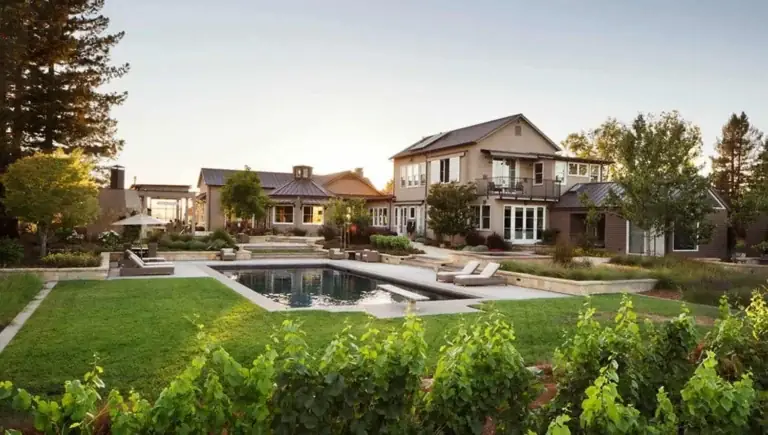
The intersection of viticulture and hospitality has entered a period of profound re-imagination. In the modern landscape of 2026, the concept of a vineyard-based retreat has transcended the traditional “tasting room with a guest suite” model. We are currently witnessing the rise of the “integrated agrarian sanctuary,” where the architecture of the hotel is not merely adjacent to the vines but is functionally and aesthetically interwoven with the production of the wine itself. This shift represents a transition from wine as a product to wine as a spatial and temporal experience—one that demands a sophisticated understanding of both agricultural logistics and high-fidelity hospitality.
Planning a destination in this sector requires a departure from generic hospitality tropes. The successful vineyard hotel must navigate the inherent friction between a working farm—which is industrial, seasonal, and often unpredictable—and a luxury sanctuary—which demands consistency, serenity, and polish. To achieve this, developers and designers are increasingly turning toward “contextual modernism,” a philosophy that prioritizes the geology, climate, and cultural heritage of the specific American Viticultural Area (AVA) over the imposition of external architectural styles.
As we look toward the long-term viability of these assets, the focus has shifted from mere opulence to “intellectual and environmental integrity.” Discerning travelers in 2026 are moving away from the sanitized “resort” experience in favor of properties that offer a “vertical” understanding of the region. This involves an interest in the biophilic properties of the landscape, the technical mechanics of the harvest, and the ethical footprint of the estate. This article provides a systemic deconstruction of the components that constitute excellence in this field, serving as a definitive reference for those seeking to master the nuanced art of viticultural lodging.
Understanding “vineyard hotel ideas”
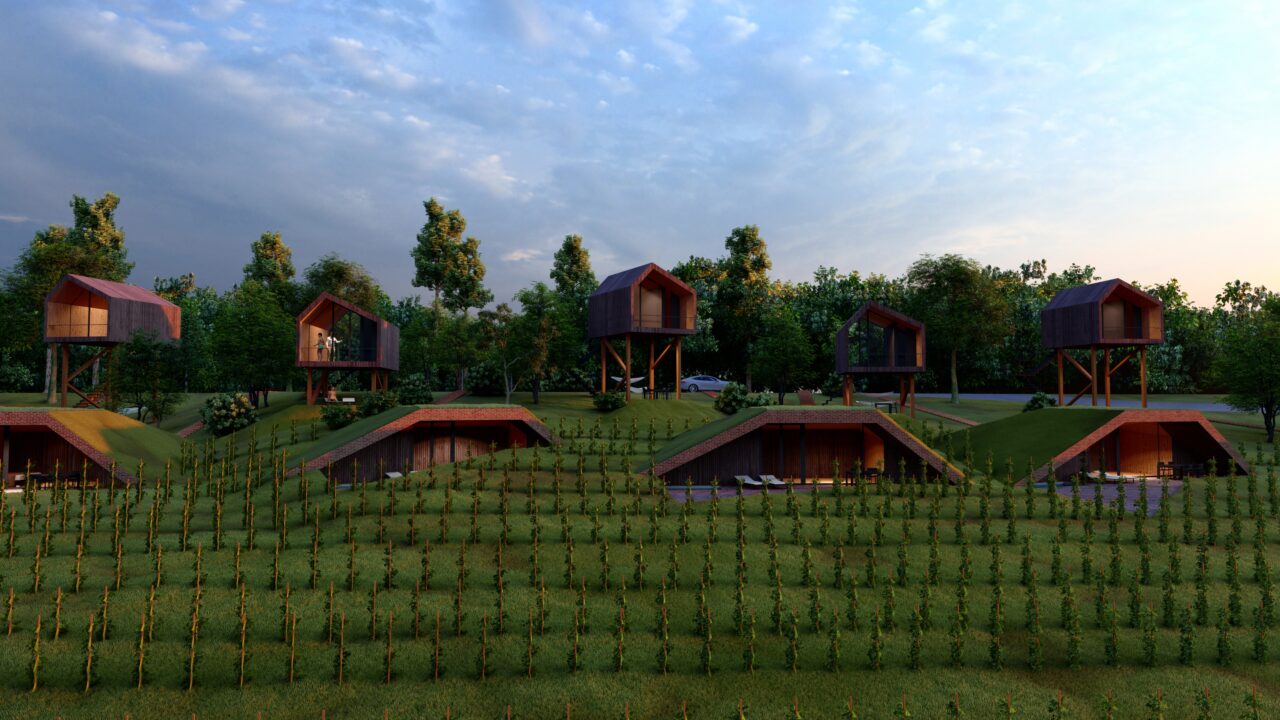
The conceptualization of vineyard hotel ideas is frequently plagued by the “Scenic Fallacy”—the belief that placing a high-end bed in proximity to grapevines is sufficient to create a high-value asset. In a professional editorial context, the Vineyard Hotel is better understood as a “Biophilic Industrial Interface.” This means the lodging is not just near the production; it is an active participant in the brand’s agricultural narrative. A true vineyard hotel allows the guest to experience the “Metabolic Rhythm” of the estate, from the dormant silence of winter pruning to the high-stakes adrenaline of the autumn crush.
From a multi-perspective view, these ideas must satisfy three distinct operational demands:
-
The Viticultural Mandate: The hotel must not hinder the viticultural team. If a guest’s desire for a quiet patio conflicts with the need for a tractor to spray organic sulfur at 4:00 AM, the property’s design has failed.
-
The Sensory Mandate: The experience must provide “Clarity of Place.” If the interior design of a hotel in the Willamette Valley could be swapped with one in Napa without the guest noticing, the property lacks regional authority.
-
The Economic Reality: In 2026, these hotels are the primary engines for Direct-to-Consumer (DTC) growth. They are “Relationship Incubators” where a one-night stay is expected to convert into a decade-long wine club membership.
Oversimplification in this sector often results in “Resort-Washing,” where a generic luxury hotel adds a small, decorative vineyard to its grounds to claim the title. A top-rated asset, by contrast, is one where the hospitality staff is as literate in the estate’s soil pH and clonal selections as they are in room service protocols. The risk for the developer is choosing a concept that offers “Viticultural Vaudeville”—a performance of winemaking—rather than a genuine integration into a working agrarian landscape.
Historical and Systemic Evolution of Viticultural Hospitality
The trajectory of vineyard-based lodging has moved through four distinct eras, each reflecting the broader maturation of the global wine industry and the changing expectations of the traveler.
The Accessory Era (Pre-1980)
In the early days of domestic viticulture, lodging was almost entirely auxiliary. Winery owners maintained small cottages or guest rooms primarily for trade partners, distributors, and personal friends. The focus was 100% on the bottle; the bed was a matter of logistical convenience in rural areas where commercial hotels were scarce.
The Mediterranean Emulation (1985–2005)
As American wine gained global parity, developers began building grand, European-style resorts. This was the era of the “Palazzo” in the valley. While these hotels brought high-end service standards, they were often “Architecturally Displaced”—built with materials and styles (Tuscan villas, French chateaus) that had no geological or historical connection to the American site.
The Modernist Integration (2006–2020)
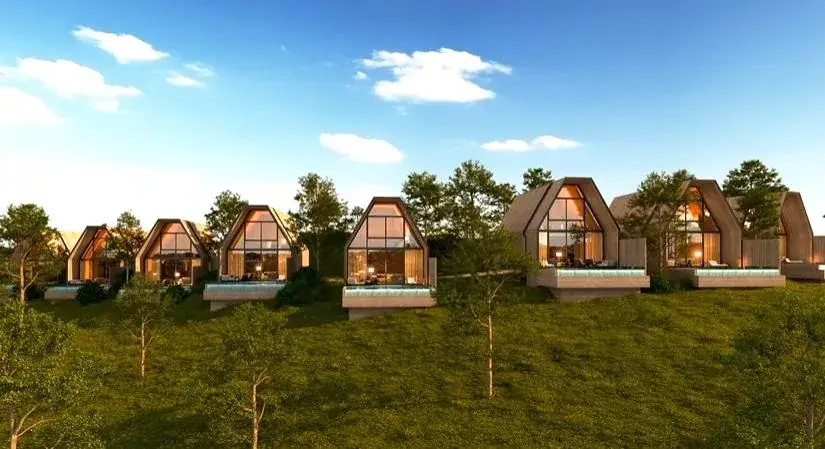
A shift toward “Vernacular Honesty” saw the rise of glass, steel, and local stone. Architects began to prioritize the view and the light, creating “Pavilions in the Vines.” This phase established the vineyard hotel as a site for high-design living, where the building was meant to disappear into the landscape rather than dominate it.
The Regenerative Era (2021–Present)
The current paradigm is defined by “Circular Hospitality.” The leading vineyard hotel ideas are now designed as part of the ecosystem. This involves LEED-certified architecture, on-site water reclamation for vineyard irrigation, and a “transparent cellar” approach where the guest is invited into the technical labor of winemaking.
Conceptual Frameworks and Mental Models for Evaluation
To move beyond superficial aesthetics, use these frameworks to evaluate the structural integrity of a vineyard hotel concept.
1. The “Crush-to-Quiet” Ratio
This framework measures how a concept manages the volatility of the vineyard season. A top-tier experience provides a different, yet equally compelling, narrative during the “dormant” winter season as it does during the chaotic “crush.” If a concept feels “closed” conceptually when the vines are bare, it lacks foundational integrity.
2. The “Sommelier-as-Curator” Model
In this model, the wine program is not a list, but a narrative arc. It should include “verticals” (the same wine across different years) and “horizontals” (different wines from the same year and region). An authoritative concept will have a wine director whose knowledge of the neighborhood’s soil chemistry matches the winemakers’.
3. The “Biophilic Boundary” Framework
Luxury in this sector is defined by how the building interacts with the outside. This framework evaluates the “liminal spaces”—patios, floor-to-ceiling glass, and outdoor showers. The goal is to minimize the psychological distance between the guest and the vineyard while maintaining thermal and acoustic comfort.
Key Categories of Vineyard Stays and Variations
Modern viticultural travel can be categorized by the traveler’s relationship to the winemaking process and the land.
Decision Logic: The “Intent-to-Asset” Alignment
Selecting a concept requires an honest assessment of “Resource Allocation.” If the guest’s goal is “Technical Depth” (access to labs, barrel rooms, and winemakers), the Monopole Sanctuary is the logical choice. However, if the goal is “Regional Discovery,” the AVA Hub provides the necessary logistical base.
Detailed Real-World Scenarios and Operational Realities
The “Harvest Intrusion”
A guest books a flagship suite in September, expecting serenity, but is met with the 24-hour roar of frost fans and the pungent smell of fermenting must.
-
Success Mode: The hotel provides “Harvest Survival Kits” (high-end earplugs, refractometers) and hosts midnight “Crush Tours,” turning the nuisance into an educational asset.
-
Failure Mode: The property attempts to hide the harvest, leading to guest frustration and a “sanitized” experience that feels dishonest.
The “Micro-Climate” Conflict
A property in a cool-climate region (e.g., the Finger Lakes) fails to account for the sudden, dramatic shifts in moisture and temperature.
-
Operational Reality: Top-tier vineyard hotel ideas utilize advanced HVAC and “mud-room” logistics that allow guests to move between the damp vineyard and the luxury interior without friction.
-
Second-Order Effect: Properties that master this “wet-weather luxury” see much higher occupancy in the shoulder seasons.
Planning, Cost, and Resource Dynamics
The pricing of high-fidelity viticultural travel is rarely a reflection of room square footage alone. Instead, it is a reflection of “Access.”
The “Allocation” Strategy: Many of the most significant properties prioritize guests who are members of the associated winery’s “wine club.” This creates a “subscription-hospitality” model where the stay is an extension of a long-term brand relationship rather than a one-off transaction.
Tools, Strategies, and Support Systems
To engage with these destinations at an authoritative level, certain tools and strategies are necessary:
-
Topographical Mapping: Using LiDAR-based apps to understand the slope and aspect of the vineyard before arrival.
-
The “Pre-Arrival Cellar Audit”: Communicating with the on-site sommelier 14 days before requesting specific vintages that need “breathing time.”
-
Climate Tracking: Monitoring the “Diurnal Shift” (the temperature difference between day and night) to pack for the specific thermal reality of the valley.
-
DTC (Direct-to-Consumer) Shipping Logistics: Utilizing the hotel’s specialized shipping permits to send finds back home without thermal damage.
-
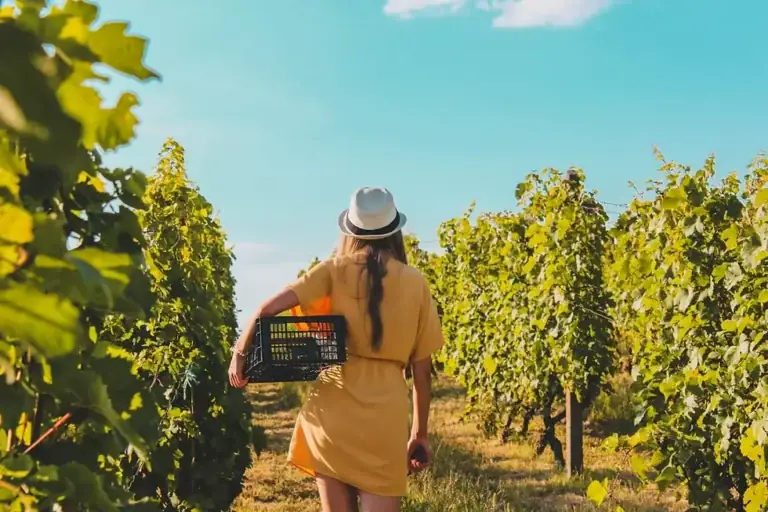
Technical Vineyard Tours: Requesting a walk with the Viticulturist rather than the Hospitality Lead for a deeper understanding of soil health.
Risk Landscape and Failure Modes
The viticultural lifestyle is subject to specific systemic risks that can degrade the quality of a stay:
-
The “Event Overlap” Risk: High-end hotels often host massive weddings. A failure mode occurs when public spaces are closed off, leaving individual travelers feeling secondary.
-
Agricultural Taint: The necessary use of organic sprays or sulfur in the vineyard can create “olfactory dissonance” for guests not prepared for the realities of farming.
-
Gentrification Burnout: When a region becomes too focused on luxury lodging, it can drive out the very workforce (cellar hands, pickers) that makes the region viable.
Governance, Maintenance, and Long-Term Adaptation
For a destination to remain in the “top” tier, it must employ rigorous long-term governance.
-
Annual Terroir Audits: Reviewing how guest foot traffic and construction are impacting the health of the vines.
-
Service Recovery Protocols: Training for natural events (wildfire smoke, frost fans running all night) to ensure guest trust remains intact.
-
Adaptive Architecture: The ability to modify buildings to account for changing climate patterns—such as increased cooling needs in regions that were historically temperate.
Measurement, Tracking, and Evaluation
How does an editorial authority measure the “quality” of a vineyard hotel?
-
Leading Indicator: The “Staff-to-Vine” literacy rate. Ask a front-desk agent about the current “phenological stage” of the grapes (bud break, flowering, veraison). Their ability to answer is a signal of deep integration.
-
Lagging Indicator: The “Re-visit Velocity.” How many guests return specifically for the dormant season versus the peak season?
-
Qualitative Signal: The “Acoustic Signature.”Does the estate liberate the natural frequency of the vineyard—the wind, the birds, the rhythmic pulse of distant tractors—or does it stifle the environment with a layer of generic background music? True luxury demands the raw, unfiltered signal of the landscape.
Common Misconceptions and Industry Myths
-
Myth: “The best hotels are only in Napa.”
-
Correction: In 2026, some of the most innovative vineyard hotel ideas are emerging in the Walla Walla Valley (WA), the Blue Ridge Mountains (VA), and the Leelanau Peninsula (MI).
-
-
Myth: “A vineyard hotel is just a fancy resort.”
-
Correction: A resort is a place you visit; a vineyard stay is a place you “Inhabit.” The focus is on agricultural immersion, not just relaxation.
-
-
Myth: “Harvest is the best time to visit.”
-
Correction: It is the most chaotic. For “Deep Lifestyle” engagement, the “Silver Season” (Spring) offers more access to the winemaking team and a more tranquil environment.
-
Ethical and Practical Considerations
The expansion of vineyard travel brings a responsibility toward water ethics and labor integrity. The premier destinations are those that provide year-round housing and benefits for their agricultural staff, moving away from the “seasonal transient” model. Furthermore, the use of “greywater” systems to irrigate vineyards using hotel wastewater is becoming a non-negotiable standard for any property claiming “luxury” status in 2026.
Conclusion: The Synthesis of Earth and Sanctuary
The trajectory of viticultural travel is clear: we are moving away from “hospitality as a service” toward “hospitality as an ecosystem.” The vineyard hotel ideas that will survive the next quarter-century are those that treat the vineyard not as a scenery set, but as a living, breathing teacher.
By prioritizing technical depth and regional honesty over generic luxury, these experiences ensure that the vineyard remains a site of profound cultural and sensory discovery. The modern traveler rejects the silk of the sheets as the primary metric of luxury. Instead, they anchor their investment in the integrity of the soil and demand total transparency of the process. In 2026, the guest values the estate’s biological health over its superficial amenities.