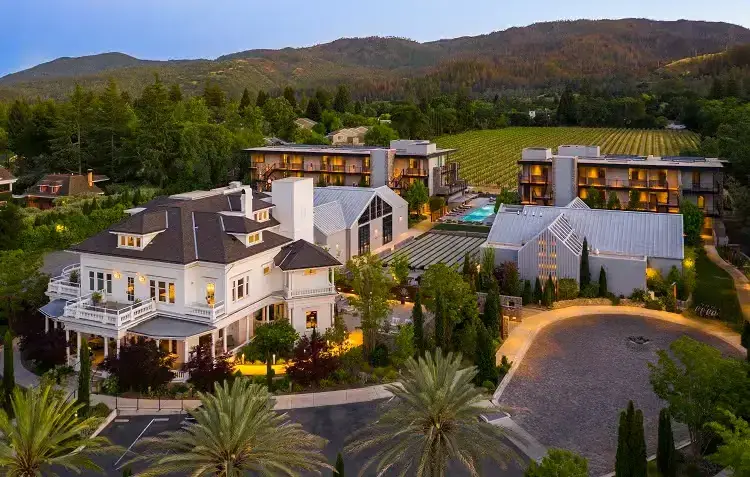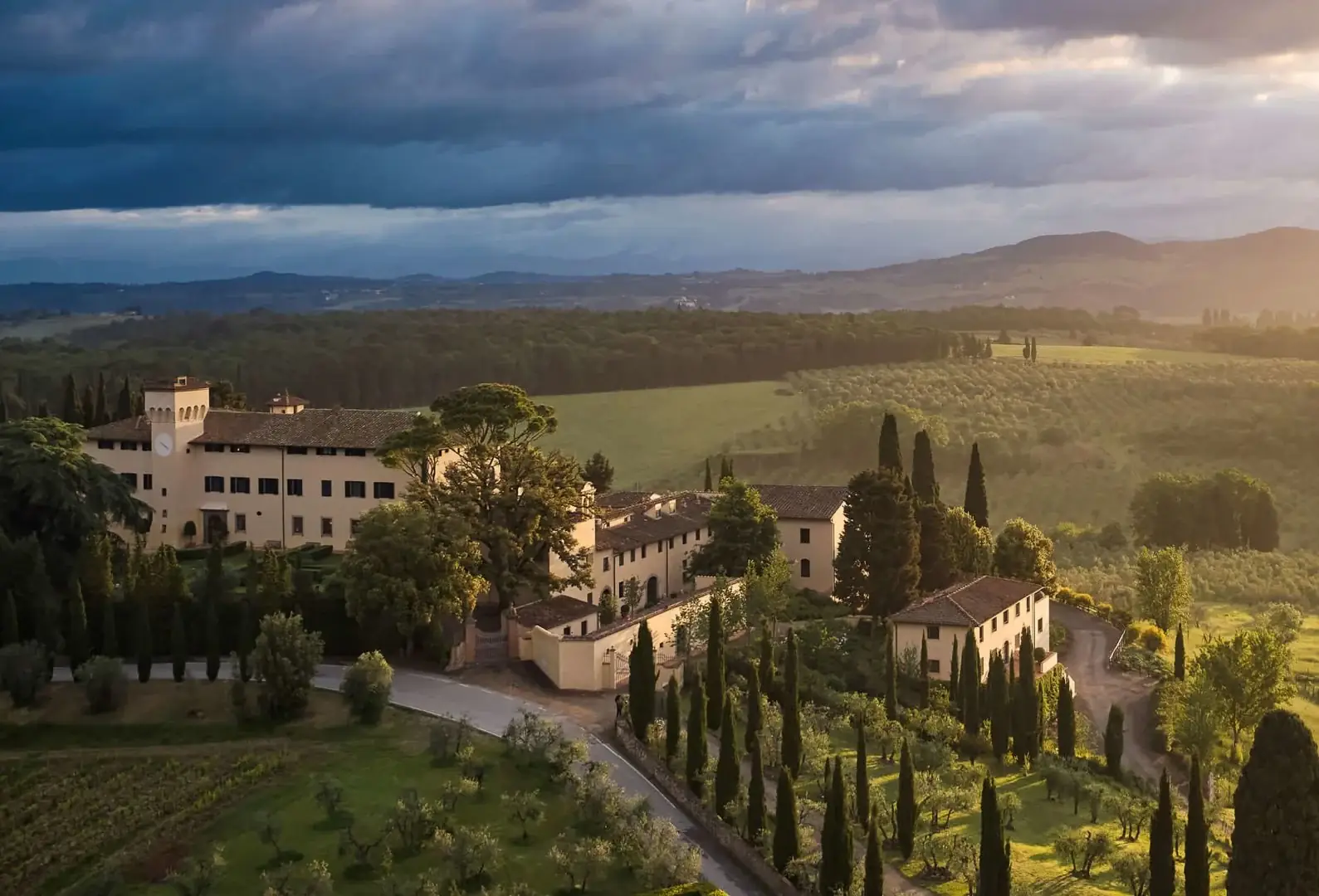
Best Vineyard Hotels for Corporate Retreats: A 2026 Reference for Integrated Estates
The convergence of industrial viticulture and executive hospitality has undergone a radical transformation, moving beyond the traditional model of a picturesque farmhouse toward a sophisticated architectural and biological synthesis. For the modern organization, a vineyard stay is no longer merely a scenic backdrop for a board meeting; it is an immersion into a working landscape where the rhythms of oenology and high-stakes corporate strategy must coexist. This shift reflects a broader cultural pivot toward “Sensory Sequestration,” in which the physical environment—the soil, the climate, and the vine—is an active participant in a team’s collective psychological experience.
Planning these high-level engagements requires a rigorous understanding of the very terroir that compromises the luxury promise.” A vineyard is a living manufacturing floor, operating on a seasonal cycle that involves mechanical noise, organic fermentation odors, and the aggressive application of agricultural inputs. To identify the most effective lodging options, one must analyze how a property reconciles these disparate rhythms. A failure to do so results in “Agricultural Friction,” where the luxury promise is compromised by the very terroir it seeks to celebrate, often at the most inconvenient times for the executive traveler.
As we move through 2026, the industry is seeing a transition toward “Regenerative Viticulture” and “Biophilic Integration.” The premier tier of properties now views lodging assets as a tool for land stewardship rather than just a revenue stream. For the discerning corporate planner, evaluating these spaces involves a multi-dimensional analysis of terroir, architectural acoustics, and the ethical footprint of the estate. This article serves as a definitive framework for deconstructing the complexities of viticultural lodging, moving past the marketing gloss to provide an analytical reference for the sector’s most robust and enduring models.
Understanding “best vineyard hotels for corporate retreats”
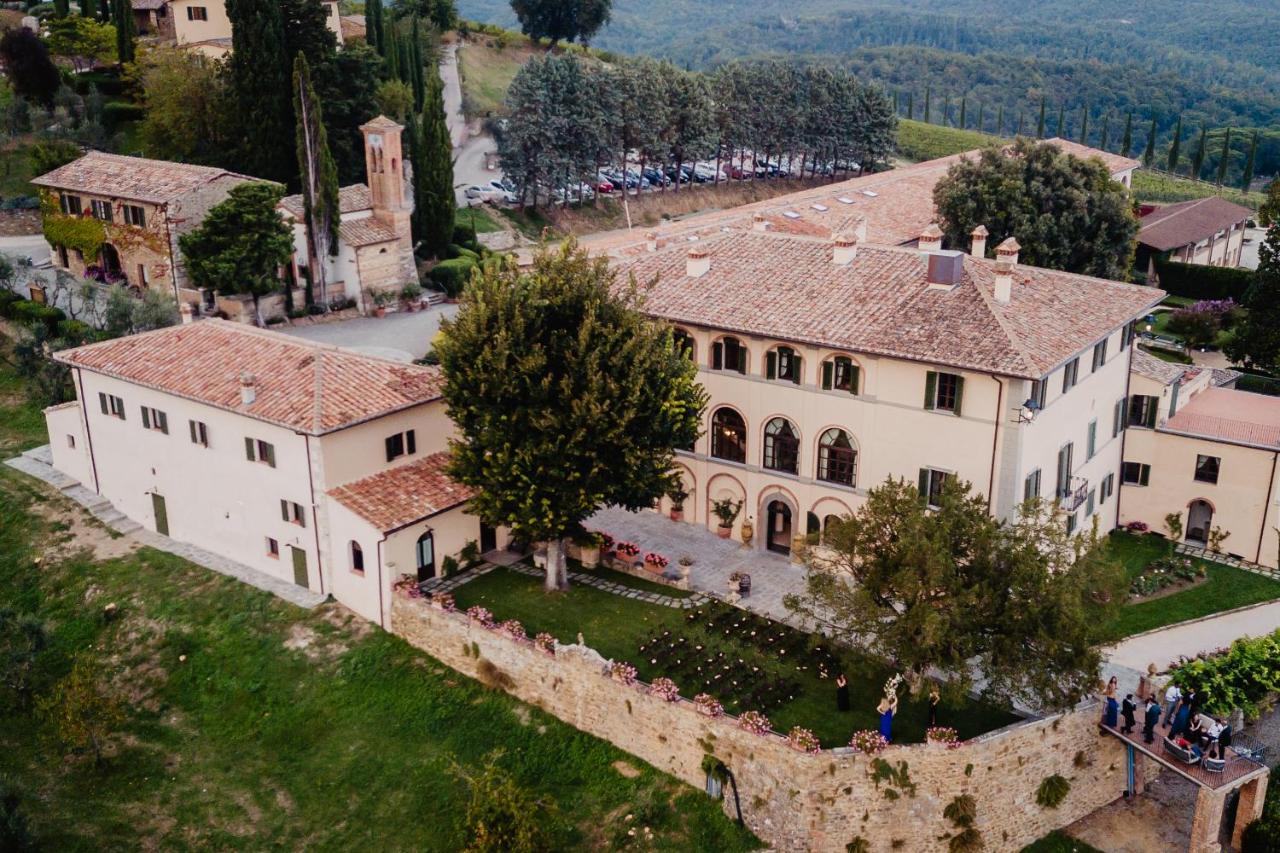
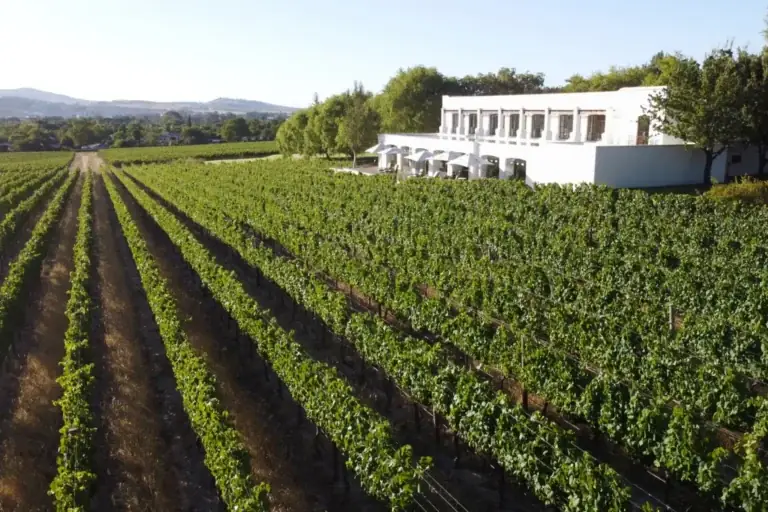
To accurately frame the best vineyard hotels for corporate retreats, it is essential to dismantle the prevailing industry conflation between “vineyard-adjacent” properties and “viticulturally integrated” assets. A property situated on the periphery of a wine region is fundamentally a hospitality business with a view. In contrast, an integrated resort is one where the habitation is an active layer within the vineyard’s own canopy or root system. For a group seeking high-level focus, the “best” choice is rarely the one with the most amenities, but rather the one that offers the highest degree of “Terroir Interface”—the sensory link between the individual and the specific plot of land.
A common misunderstanding in the selection process is the assumption that luxury is synonymous with total isolation from the winery’s operations. In reality, the top tier of the market utilizes “Controlled Exposure.” Rather than hiding the winery, a well-conceived retreat plan employs ‘Acoustic Shielding’ and ‘Negative Pressure HVAC’ so executives can witness the ‘Craft’—the press cycle or early fermentation—without industrial noise or heavy carbon dioxide emissions overwhelming them. This provides a shared intellectual journey rather than just a passive stay.
The oversimplification risk lies in ignoring the “Industrial Residue” of winemaking. A winery is a factory that produces heat, noise, and significant organic waste. Top-tier options manage this through “Siting Logic.” If a meeting is disrupted by a mechanical harvester at 4:00 AM, the luxury promise is broken. Conversely, if the viticulturist cannot farm because of guest proximity, the primary agricultural asset is at risk. Authority in this sector weaponizes the invisible reconciliation of these two forces to annihilate the ‘Utility Stutter’; by liquidating the ‘Friction of the Farm’ while securing the ‘In the Vines’ coordinate, the system authorizes a state of ‘Operational Invisibility’ that guarantees the guest’s ‘Neural Reset’ occupies a pure-signal environment the building refuses to compromise.”
Historical and Systemic Evolution of the Viticultural Estate
The trajectory of vineyard-based lodging has moved through three distinct technological and cultural epochs:
The Agriturismo Foundation (Pre-1990s)
Initially, vineyard hotels were simple agritourism outposts—repurposed farmhouses where travelers could sleep among the workers. These were functional, not aspirational. The architecture was vernacular, and the hospitality was a byproduct of the farm’s survival. The sensory experience was raw, often involving the smells of diesel and fermenting skins that would be unacceptable to the modern executive.
The Tasting Room Monument (1990s–2010s)
Driven by the global wine boom, this era saw the rise of the “Brand Cathedral.” Hotels were built nearby, but rarely on the vines. The focus was on retail throughput and the “faux-chateau” aesthetic. The goal was to create a photographic backdrop rather than an integrated ecosystem. These properties often lacked a true connection to the land’s metabolic cycles, acting as parasites on the view rather than participants in the soil.
The Regenerative Nexus (2020s–Present)
The 2026 ‘Metabolic Mandate’ uses IoT-driven subterranean mass to annihilate the ‘Thermal Stutter.’ By authorizing greywater loops to sustain the vineyard’s hydrological cycle, the architecture dismantles the ‘Resource-Drain Fallacy’ and secures a ‘Sovereign Stay,’ ensuring that the very vines the building protects power the group’s privacy.
Conceptual Frameworks and Mental Models
When evaluating or designing a flagship viticultural asset, industry leaders apply specific mental models to ensure systemic resilience.
1. The “Olfactory Sound-Shed.”
This framework evaluates the site based on prevailing wind patterns and chemical drift. It dictates that executive suites must be positioned “Upwind and Upslope” from primary fermentation tanks. This ensures the pungent, acidic scent of early fermentation (esters and CO2) does not penetrate meeting spaces during the critical harvest window.
2. The “Microbial Continuity” Model
A vineyard is a delicate microbiome. This model assesses whether hotel landscaping introduces invasive ornamental plants that could disrupt the native yeast populations required for “wild-ferment” winemaking. Top-tier plans prioritize endemic vegetation to ensure the winery’s microbial profile remains uncorrupted by non-native flora.
3. The “Gravity-Flow” Hierarchy
Borrowed from winemaking architecture, this dictates that the guest journey should mimic the wine’s journey—moving from the heights of the vineyard (check-in) down through the “aging” process (relaxation/spa) to the final “tasting” (dining/cellar). It utilizes site topography to reduce mechanical reliance and energy consumption, aligning the human experience with the physics of the land.
Key Categories of Integrated Vineyard Architecture
The geography of the vineyard dictates the structural trade-offs required for a successful retreat.
Decision Logic: Centralization vs. Dispersion
When selecting a category, planners must weigh “Service Logistics” against “Group Autonomy.” Centralized units (like a converted manor) are easier to service with utilities and food/beverage, providing a classic hotel feel. Dispersed units (casitas) command a premium because they offer the “private vineyard” illusion, but they require complex “Last-Mile” logistics to ensure that room service or documents arrive without the use of noisy delivery vehicles.
Detailed Real-World Scenarios and Operational Realities
The “Harvest Conflict” Resolution
In a luxury estate in the Douro Valley, mechanical harvesting must occur at 3:00 AM to preserve grape acidity. The hotel plan utilizes “Acoustic Berms”—man-made hills—to shield guest suites. Failure to plan the “Tractor Path” away from room windows results in catastrophic executive satisfaction scores during the estate’s most profitable month.
The “Sulfur Drift” Mitigation
Standard vineyard maintenance requires organic sulfur spraying to prevent mildew. In a high-end property, the hotel’s intake vents were not equipped with carbon filtration during a spray cycle. The second-order effect was a 50% refund rate for that weekend. Sophisticated options now incorporate “Wind-Aware HVAC” systems that automatically seal intakes based on the vineyard’s activity schedule.
The “Root Compaction” Failure
A modernist hotel built directly over a legacy Pinot Noir block used heavy concrete walkways. The weight of heavy foot traffic and the concrete’s alkaline runoff altered the soil pH. The result: the vines within 50 feet of the hotel showed signs of “nitrogen lock,” producing fruit that was too acidic for the estate’s flagship bottling.
Planning, Cost, and Resource Dynamics
The economics of the vineyard hotel are defined by the “Vertical Tax.” Construction costs are typically 300% higher than ground-based cabins due to specialized labor and the inability to use heavy machinery in sensitive root zones.
Opportunity Cost: Every square foot occupied by a hotel foundation is a square foot of lost grape production. In high-value regions like Saint-Émilion, the “lost vintage” revenue over a 50-year horizon must be factored into the ROI.
Tools, Strategies, and Support Systems
Modern operations rely on a specific technological stack to bridge the gap between “Wild” and “Refined”:
-
Dendrometers: IoT sensors that monitor the vine’s hydration in real-time, often shared with teams via an “Estate Health Dashboard.”
-
Macerating Waste Systems: Necessary for properties with high elevation changes between suites and the treatment plant.
-
Greywater Bioreactors: Systems that treat hotel wastewater for use in vineyard irrigation, creating a closed-loop hydrological system.
-
Bird-Safe Fritted Glass: Patterns that prevent bird-strike deaths in properties that act as avian corridors.
-
Low-Voltage “Dark Sky” Lighting: Prevents the disruption of the vineyard’s nocturnal ecosystem.
-
Sap-Flow Sensors: Providing data on when vines are stressed, signaling the need for precision irrigation.
Risk Landscape and Failure Modes
The primary risks in this sector are rarely structural collapse but rather “Biological Rejection.”
-
Host Senescence: The natural aging and death of the vines. If the vines near the hotel die due to soil compaction, the “Vineyard View” asset is lost.
-
Pathogen Transfer: Guests visiting from other wine regions may unknowingly carry pests like Phylloxera on their shoes. Superior plans include “Biosecurity Checkpoints” disguised as luxury arrival experiences.
-
The “Monoculture Trap”: Designing a hotel around a single grape variety is risky. If climate shifts make that grape unviable, the “Brand Story” is fundamentally broken.
-
Thermal Pollution: Large buildings trap heat. If a resort doesn’t account for the “Heat Island Effect,” it can prematurely ripen surrounding grapes, resulting in flabby, high-alcohol wines.
Governance, Maintenance, and Long-Term Adaptation
Effective governance of a vineyard hotel requires a “Stewardship Ledger” that manages both the biological and architectural assets simultaneously.
The stewardship checklist:
-
Daily: Soundscape check (monitoring for abnormal mechanical noise from the winery).
-
Monthly: Check “Drift Guards” on HVAC intakes to ensure air quality.
-
Quarterly: Calibrate the “Wine Storage Matrix”—automated sensors in guest cellars.
-
Annually: “Root Zone Audit”—checking if hotel utility leaks are suffocating nearby vines.
-
Adjustment Trigger: If soil pH shifts by more than 0.5 near the hotel foundation, the drainage system must be recalibrated.
Measurement, Tracking, and Evaluation
How do we quantify the success of a vineyard retreat? We look at leading and lagging indicators.
-
Leading Indicator: “The Biodiversity Index.” A successful plan should see an increase in native predatory insects (which replace chemical pesticides) within the hotel’s landscaping.
-
Lagging Indicator: “DTC (Direct-to-Consumer) Conversion.” The ultimate metric is the percentage of guests who become long-term wine club members post-stay.
-
Qualitative Signal: “Sensory Cohesion.” Does the food in the restaurant share the same geological signature as the wine in the glass?
-
Documentation: Properties should maintain a “Site Heritage Log” tracking the co-evolution of the vine age and the building’s patina.
Common Misconceptions and Industry Myths
-
Myth: “The smell of fermentation is romantic.”
-
Correction: In reality, concentrated CO2 and pungent esters can be overwhelming. Professional plans treat the winery as an industrial zone with high-performance air filtration.
-
-
Myth: “Modern glass architecture is the best way to see the vines.”
-
Correction: Excessive glass often creates a “Light Pollution” issue at night, disrupting the vines’ nocturnal respiration cycles.
-
-
Myth: “Vineyards are quiet places.”
-
Correction: Between bird-scaring cannons, wind machines for frost protection, and nighttime harvest, a vineyard is often louder than a city street during peak windows.
-
-
Myth: “The hotel is the main revenue driver.”
-
Correction: On many estates, the hotel serves primarily as a “Customer Acquisition Tool” for the wine brand, which carries higher margins.
-
Ethical, Practical, and Contextual Considerations
The expansion of vineyard resorts must be weighed against “Food Sovereignty.” When we convert productive grape land into hotel villas, we are essentially trading a long-term food asset for a short-term luxury service. The most ethical properties are those that utilize “Non-Productive Pockets”—building their structures on rocky soil where grapes won’t grow, thereby preserving the prime “Crus” for agriculture. Additionally, the impact of wedding-related light pollution on local migratory birds and nocturnal pollinators is a growing area of concern for responsible estates.
Conclusion: The Synthesis of Design and Nature
The maturation of the vineyard hotel market represents a significant achievement in “Intellectual Luxury.” We are moving away from themed lodging toward “Systemic Immersion.” A successful corporate stay is one where the group leaves with more than a memory of a view; they leave with an understanding of the geological and biological forces that produced the liquid in their glass.
The destinations that will dominate the next decade are those that recognize the hotel not as a competitor to the vine, but as its greatest advocate. When architecture and agriculture are in perfect alignment, the resulting “Terroir Interface” creates a value proposition that is resilient to both economic shifts and environmental challenges. The 2026 ‘Adaptive Mandate’ weaponizes the living document to annihilate the ‘Finished-Project Stutter’; by authorizing continuous shifts as vines age and climates evolve, the system liquidates the ‘Static-Strategy Fallacy’ and secures a ‘Sovereign Stay’ that guarantees the mission occupies a state of ‘Metabolic Literacy’ rather than a decaying abstraction.