Top Wine Tasting Experiences in America: The Definitive 2026 Guide
American viticulture has shattered the simple utility of the tasting room. By 2026, the industry will have discarded the casual ‘belly-up’ service of the 20th century to embrace ‘Experience Engineering.’ This movement positions the glass as a mere anchor for a high-fidelity architectural and educational narrative. The nation’s elite estates now command a ‘Sense of Place’ so profound it neutralizes global competition.
Navigating this terrain requires an analytical approach to what constitutes a “Top Experience.” It is no longer sufficient for a winery to simply possess a high-scoring vintage. The modern standard for excellence involves a synthesis of geological transparency, hospitality logistics, and technical depth. Whether one is exploring the fog-swept ridges of the Sonoma Coast or the high-elevation volcanic plateaus of the Walla Walla Valley, the leading experiences are those that peel back the layers of the winemaking process, offering guests a technical and sensory intimacy that was once reserved for industry insiders.
As the American wine market matures, the distinction between “Mass Tourism” and “Top-Tier Engagement” has sharpened. The former focuses on volume and standardized scripts, while the latter is defined by bespoke curation and “Vertical Literacy.” This article serves as a comprehensive framework for identifying and deconstructing the most significant wine engagements in the country, providing the discerning enthusiast with a manual for high-level viticultural exploration.
Understanding “top wine tasting experiences in America.”
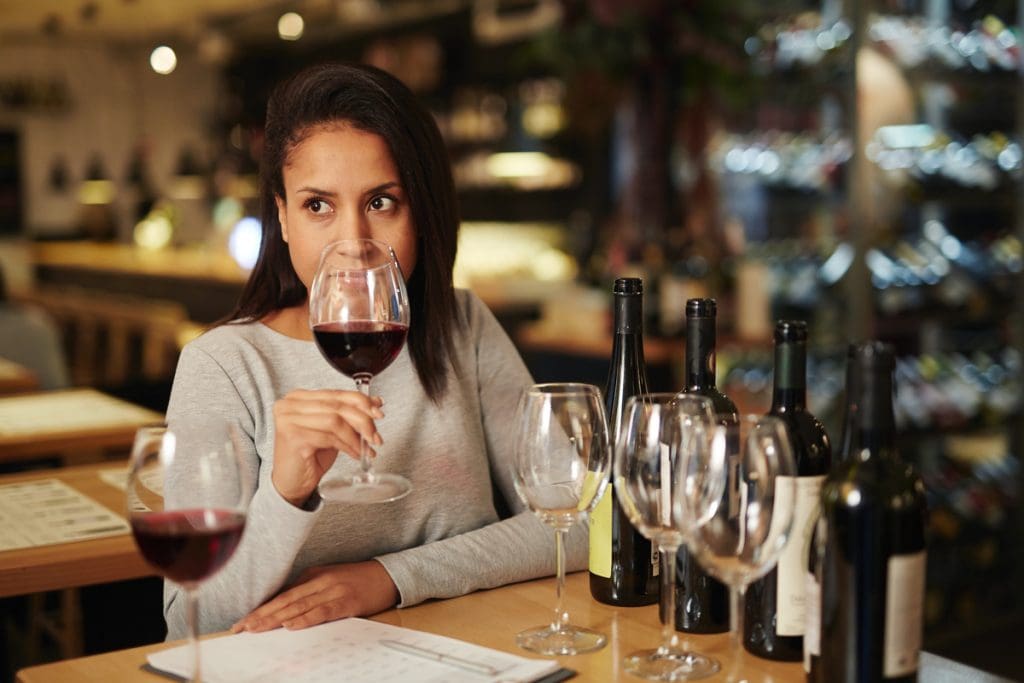
To evaluate the top wine tasting experiences in America, one must first differentiate between “Visual Luxury” and “Operational Depth.” A common misunderstanding is that a beautiful tasting room equates to a superior tasting experience. In reality, some of the most profound engagements occur in utilitarian barrel rooms or dusty vineyard blocks where the focus is exclusively on the technical expression of the fruit. Understanding this sector requires a multi-perspective view that weighs the physical environment against the “Intellectual Capital” of the staff.
From a systemic standpoint, ‘Compression’ governs these experiences. As demand surges, estates jettison walk-in models in favor of strictly allocated, appointment-only systems. This shift executes a deliberate strategy to liberate the staff, enabling them to deliver the ‘Vertical Insight’ essential for high-level education.
There is a significant risk of oversimplification when relying on popular review platforms. High-volume wineries often receive high ratings due to their accessibility and generic “Instagrammability.” However, a definitive reference must look at “Technical Transparency”—the degree to which a winery allows a guest to understand the variables of soil, climate, and fermentation that define a specific vintage. The leading experiences in 2026 are those that challenge the guest’s palate and intellect, moving beyond the “Tasting Note” to the “Viticultural Why.”
The Systemic Evolution of the American Tasting Model
The trajectory of American wine hospitality can be tracked through several distinct developmental epochs:
1. The Promotional Era (1970s–1985)
Tasting rooms were initially treated as loss leaders. Their primary function was to introduce the public to domestic varietals that were struggling for recognition against European imports. Service was casual, often free, and focused on basic brand awareness.
2. The Destination Era (1986–2010)
Following the success of several American wineries on the global stage, “Wine Country” became a lifestyle destination. Architecture shifted toward grandiosely themed estates (Tuscan villas, French chateaus). The “Experience” began to include spas, retail shops, and generic food pairings.
3. The Professionalization Era (2011–2020)
As consumers became more educated, the “Sommelier-Led” model took hold. Wineries began hiring professionals with formal certifications to lead tastings. Fees became standardized, and the “Educational Flight” emerged as the primary unit of consumption.
4. The 2026 Era of “Hyper-Localism” and “Vertical Depth.”
Today, the most significant experiences are those that reject generic luxury in favor of “Granular Terroir.” We are seeing the rise of “Block-Specific” tastings, where guests compare wines grown only a few hundred yards apart to understand the influence of micro-topography.
Conceptual Frameworks and Mental Models
To navigate the diversity of the American wine landscape, enthusiasts should apply these analytical frameworks:
1. The “Soil-to-Glass” Gradient
This model evaluates an experience based on its proximity to the source. A high-value engagement includes a “Vineyard Audit”—a physical walk through the rows to observe soil health, canopy management, and vine age before the tasting begins. If the wine is disconnected from its agricultural origin, the experience is geographically generic.
2. The “Temporal Vertical” Framework
This focuses on the “Duration of Insight.” A top-tier tasting should include “Library Access,” allowing the guest to taste 10- or 20-year-old vintages alongside current releases. This provides a temporal map of how the vineyard evolves and how the winemaking style has adapted to climate shifts over decades.
3. The “Service-to-Science” Ratio
In 2026, the best hosts are not just hospitality workers but “Technician-Educators.” This framework measures the depth of the conversation. Can the host discuss the specific clones used? The percentage of whole-cluster fermentation? The nuances of native yeast? If the conversation stays at “notes of cherry and oak,” the experience is intellectually under-resourced.
Key Categories of High-End Wine Engagements
A clear set of operational categories defines the American wine landscape, with each tier imposing a specific set of trade-offs on the guest experience.
Decision Logic: The “Engagement Level” Selection
If your objective is “Total Immersion,” a Monopole Estate in the Mayacamas Mountains offers the highest degree of intimacy. However, for those seeking “Comparative Education,” the Technical Lab or Urban Collective models in cities like Seattle or Walla Walla allow for a broader exploration of regional diversity in a single afternoon.
Detailed Real-World Scenarios and Operational Realities
The “Harvest Surge” Failure
A guest books a premium experience in Napa during the peak of the October harvest. While energy peaks, the harvest cannibalizes ‘Vertical Insight.’ The cellar demands 20 hours a day from the lead winemakers, forcing a seasonal ‘Tasting Room Associate’ to substitute raw expertise with a pre-packaged script.
-
Operational Reality: Peak season often results in lower-quality educational engagement despite the high energy. The best “Top Experiences” are often found in the shoulder seasons (May or November).
The “Library Depth” Success
In the Willamette Valley, a small, appointment-only estate offers a “Geological Vertical.” The host takes the guest to three different vineyard blocks with different soil types (Jory vs. Willakenzie) and tastes the Pinot Noir from each, back-dated five years.
-
Operational Reality: This requires significant “Inventory Governance.” The winery must withhold thousands of dollars of product from the market for years to provide this level of insight.
The “Atmospheric Interference” Trap
An outdoor tasting is booked at a scenic hillside winery in Virginia. A sudden humidity spike and an influx of insects make the sensory evaluation of the wine nearly impossible.
-
Operational Reality: Even the “Top Experience” is beholden to local climate. Properties with “Climate-Controlled Sensory Rooms” offer a more consistent technical environment than purely outdoor settings.
Planning, Cost, and Resource Dynamics
The economics of a top-tier tasting are driven by “Allocation” and “Staff-to-Guest Ratios.”
The “Opportunity Cost” of Spontaneity: In the modern American wine market, spontaneity is the enemy of quality. The most significant experiences are often booked 3–6 months in advance. Attempting to “walk in” almost guarantees a generic, high-volume interaction.
Tools, Strategies, and Support Systems
To maximize the value of these engagements, enthusiasts should utilize specific tools and methodologies:
-
Digital Terroir Maps: Use GPS-based topographical tools to understand the aspect and elevation of the vineyard you are standing in.
-
Professional Tasting Journals: Documenting the “Technical Specs” (pH, TA, ABV) provided by the host allows for long-term comparative analysis.
-
Shipping Logistics Services: For high-end collectors, utilizing “Temperature-Controlled Logistics” is essential to protect the “Cellar Integrity” of wines purchased on-site.
-
“Member-Only” Backdoors: Many of the top wine tasting experiences in America are not advertised. They are reserved for “Allocation List” members. Joining a list 12 months before a trip is often the only way to gain access.
-
Sommelier Concierges: High-end travel advisors specializing in wine can negotiate “Barrel Access” that is not available through standard booking portals.
Risk Landscape and Failure Modes
Even the most prestigious wineries can suffer from “Operational Decay.”
-
The “Corporate Homogenization” Risk: When a small, cult winery is purchased by a large hospitality conglomerate, the tasting experience often becomes “Polished but Empty.” The script becomes more professional, but the technical soul of the engagement is often lost.
-
The “Sensory Overload” Failure: Attempting more than two “Top Experiences” in a single day is a major failure mode. The palate becomes fatigued, and the intellectual nuances of the second winery are lost.
-
The “Taint” Risk: In outdoor settings near active agriculture, the smell of fertilizers or diesel from a neighboring farm can fundamentally ruin the olfactory evaluation of a flight.
Governance, Maintenance, and Long-Term Adaptation
A winery’s ability to sustain a “Top Experience” requires rigorous “Hospitality Maintenance.”
-
Staff Review Cycles: Leading estates conduct weekly technical briefings where the winemaking team updates the hospitality team on the current state of the cellar.
-
Estates must command ‘Library Inventory’ with the rigor of a bank vault. Excessive pouring of a legacy vintage depletes the winery’s strategic reserves, handicapping its power to deliver ‘Vertical Insights’ for the next half-decade.
-
Climate Adaptation: As wine regions warm, the “Story of the Vineyard” is changing. Top experiences must adapt their narratives to discuss irrigation strategies, sun-shading, and changing harvest dates.
Measurement, Tracking, and Evaluation
How do we quantify the success of a wine tasting engagement?
-
Quantitative Signal: “The Education Delta.” Did the guest learn at least three technical facts about the viticulture or geology of the region that they did not know before?
-
Qualitative Signal: “The Palate Challenge.” Did the tasting include a wine that was “Difficult” or “Challenging”—something that forced the guest to think beyond simple preference?
-
Lagging Indicator: “Cellar Retention.” Does the guest still have the bottles they purchased two years ago? A “Top Experience” creates a long-term emotional and financial commitment to the wine.
Common Misconceptions and Oversimplifications
-
Myth: “Expensive wines equal a better experience.”
-
Correction: Some of the best technical tastings occur at mid-sized wineries where the owner is still the one pouring the wine.
-
-
Myth: “Napa is the only place for world-class tastings.”
-
Correction: Regions like Walla Walla (WA), the Rocks District (OR), and even the Texas Hill Country are producing technical experiences that rival or exceed California’s standard.
-
-
Myth: “You need to be a ‘Wine Pro’ to book these.”
-
Correction: The best hosts are teachers. They thrive on guests who are curious, regardless of their starting knowledge level.
-
-
Myth: “The ‘Best’ experience is the one with the best view.”
-
Correction: Visual beauty is a hospitality amenity; technical depth is a viticultural asset. They are not the same.
-
Ethical and Contextual Considerations
The rise of the “Ultra-Premium” tasting experience has implications for “Accessibility.” As prices for top-tier engagements rise to $300+, the industry risks alienating a new generation of enthusiasts. The most successful wineries in 2026 are those that offer “Tiered Access”—maintaining a high-end technical experience for collectors while offering a “Discovery Flight” for younger, emerging tasters. Additionally, the environmental impact of “Wine Tourism” (water use, transportation emissions) is leading top estates toward “Sustainable Hospitality” certifications.
Conclusion: The Synthesis of Science and Hospitality
The top wine tasting experiences in America are no longer a passive activity; they are an active, intellectual pursuit. The shift from “Consumption” to “Engagement” reflects a broader trend in American culture toward expertise and authenticity. For the traveler, the reward is not just a glass of wine, but a deeper connection to the American landscape and the complex biological systems that sustain it.
As we look toward the future of viticultural tourism, the wineries that will remain authorities are those that prioritize the integrity of the soil and the education of the guest over the generic markers of luxury. A true top-tier experience leaves the guest with a lingering question, a new palate reference, and a profound respect for the “Vintage Reality” of the land. In the end, the wine in the glass is merely a medium for a much larger story about patience, chemistry, and the enduring human desire to capture a moment in time through the medium of the vine.