Best Vineyard Stays United States: A 2026 Guide to Estate Hospitality
The concept of an American vineyard stay has undergone a rigorous metamorphosis, shifting from the traditional bed-and-breakfast model toward a highly integrated, multi-disciplinary hospitality sector. To analyze this landscape in 2026 requires an understanding that the vineyard is no longer merely a decorative backdrop; it is an active participant in the guest’s psychological and sensory environment. For the modern traveler, the goal is not just proximity to agriculture but an immersion into the viticultural lifecycle, where the architectural footprint of the accommodation respects the biological imperatives of the land.
The United States presents a uniquely fractured viticultural geography, which complicates any attempt to establish a singular standard of quality. A stay in the rocky, high-elevation terrains of the Sierra Foothills demands a different set of logistical and aesthetic priorities than a coastal estate in the Hamptons or a minimalist retreat in the Willamette Valley. This geographical diversity means that identifying the premier establishments is a matter of matching a traveler’s specific intent—be it technical viticultural education, culinary depth, or environmental seclusion—with a property’s unique “Terroir IQ.”
In an era defined by mass-market luxury, the truly authoritative vineyard stays are those that prioritize “Operational Transparency.” This refers to the degree to which a property allows its agricultural realities to dictate the hospitality experience. It is a movement away from the “resort-first” mentality toward a “land-first” philosophy. This article serves as a systemic deconstruction of the components that define the pinnacle of American vineyard hospitality, providing a definitive reference for those seeking to navigate the complexity of this maturing industry.
Understanding “best vineyard stays in the United States.”
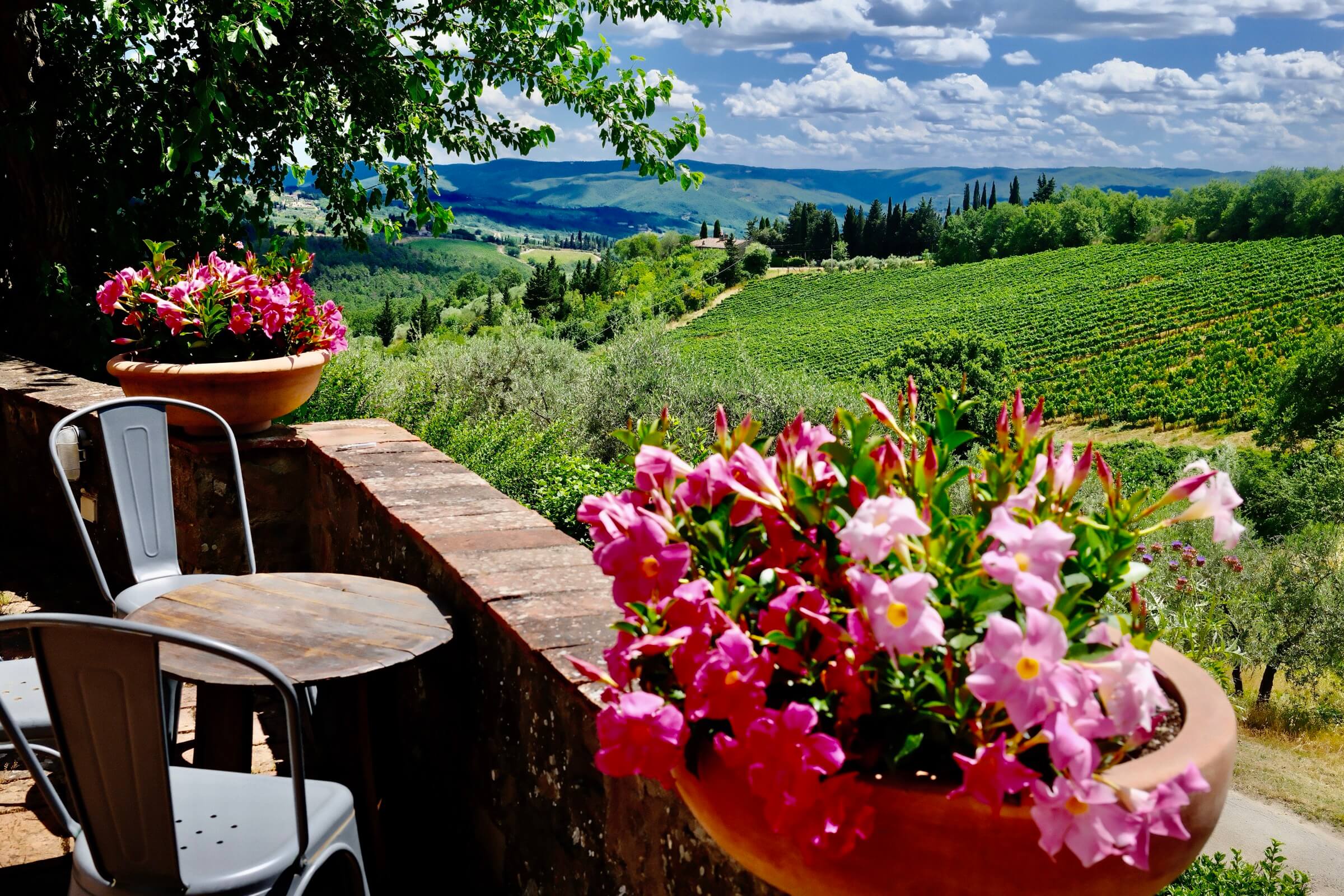
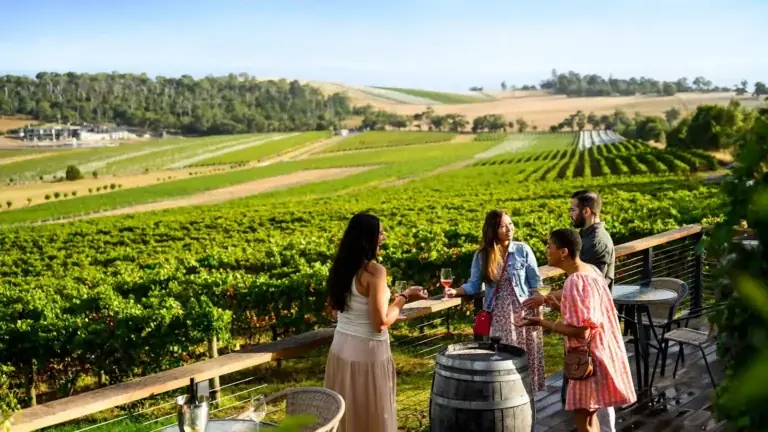
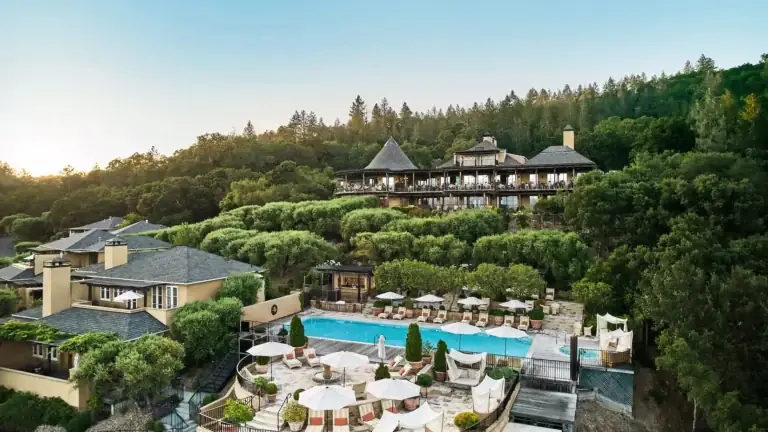
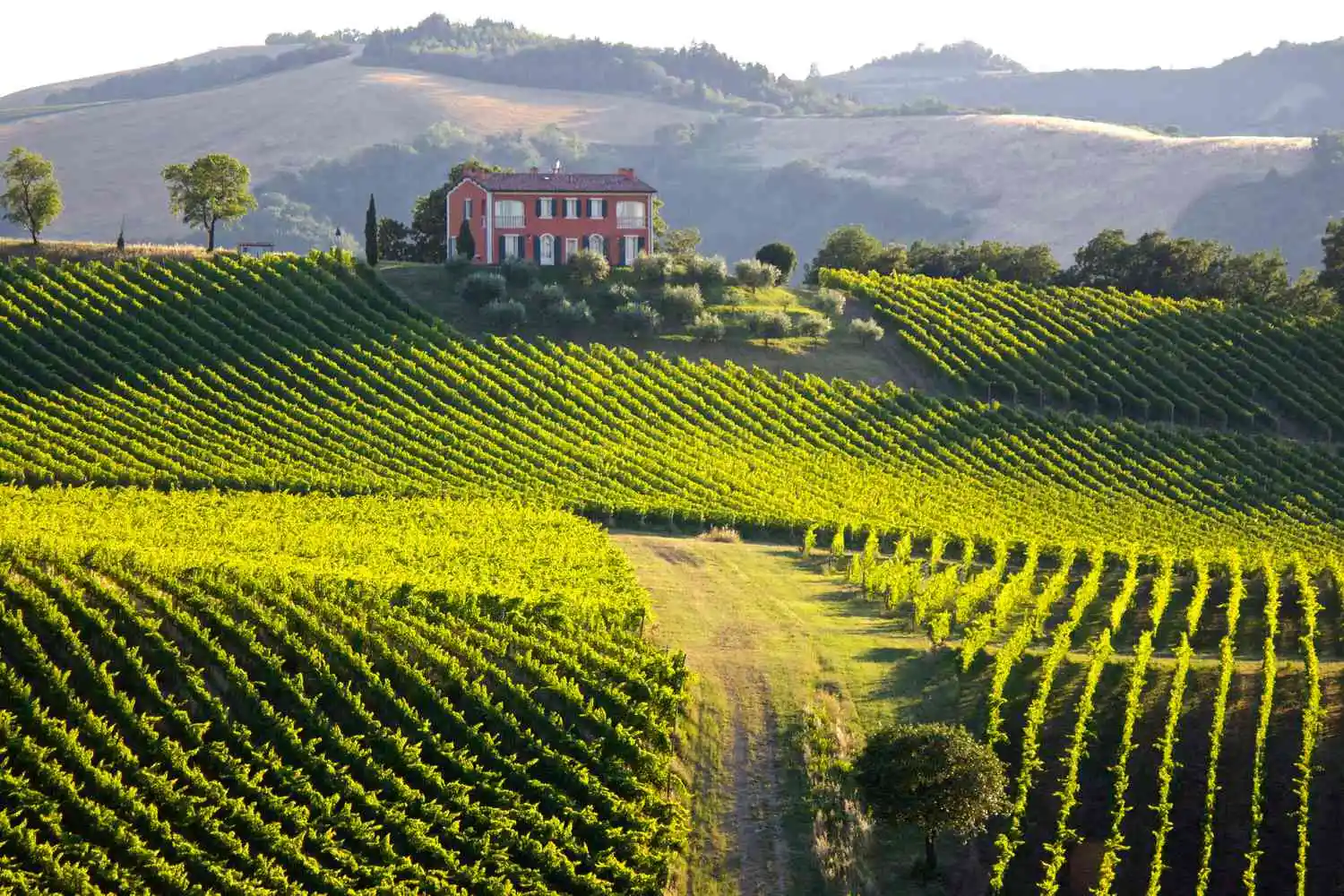
To define the best vineyard stays united states, one must first discard the notion that luxury is synonymous with isolation from the farm. A common misunderstanding in the hospitality sector is the “buffer zone” fallacy—the idea that the guest should be protected from the noise, dust, and labor of the vineyard. In reality, the most sophisticated properties leverage these elements to create a sense of authenticity. A top-tier stay is characterized by “Agricultural Proximity,” where the sounds of a harvest tractor at 4:00 AM are not an inconvenience but a signal of a functioning, healthy ecosystem.
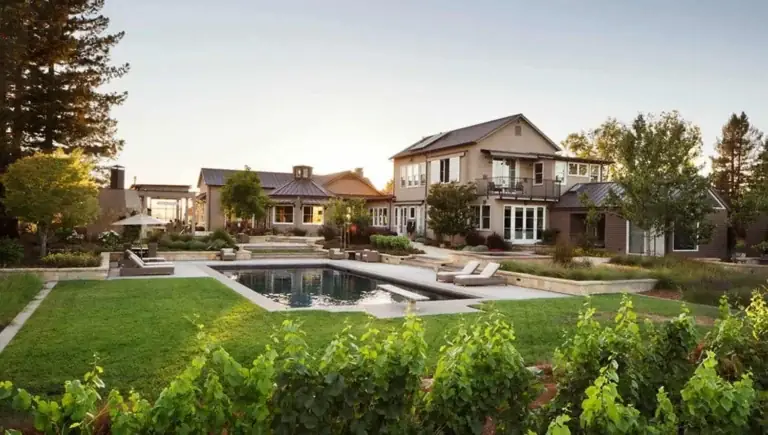
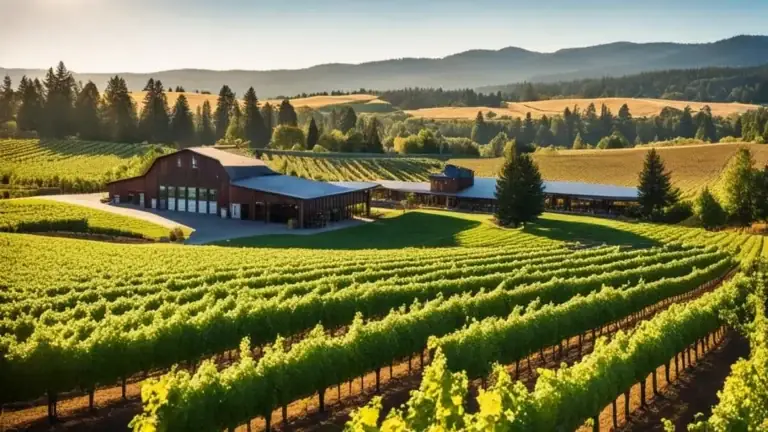
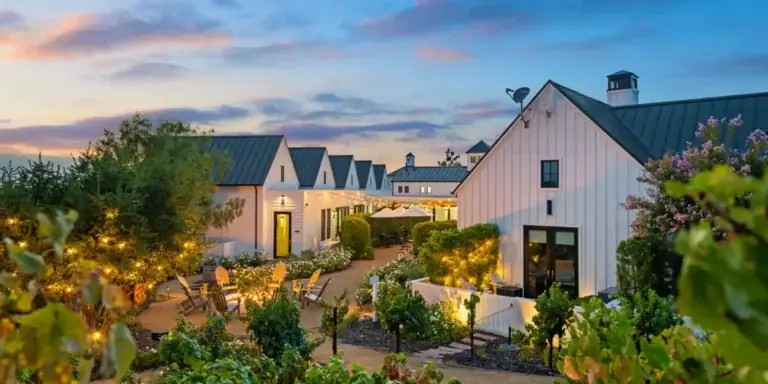
From a multi-perspective view, a vineyard stay is a three-way negotiation between the guest’s desire for comfort, the winery’s need for production efficiency, and the soil’s requirement for preservation. If the hospitality wing of an estate compromises the drainage or the sunlight exposure of a prize-winning Cabernet block, the property has failed its primary mission. Therefore, the “best” stays are those that achieve a symbiotic architectural footprint—often utilizing reclaimed agricultural structures or low-impact “hovering” villas that do not compact the soil.
Oversimplification in this market often leads travelers to high-volume regions where the “vineyard stay” is a commodified product. To find the definitive experiences, one must look for “Vertical Literacy” in the staff. If a concierge cannot explain the difference between the alluvial soils of the valley floor and the volcanic soils of the hillsides visible from the lobby, the property is merely a hotel in a rural setting. Authority in this space is earned through the integration of the sommelier’s knowledge into every touchpoint of the guest’s journey.
The Historical Evolution of Domestic Viticultural Hospitality
The American vineyard stay has moved through three distinct historical epochs, each reflecting a different societal relationship with wine and land.
The Era of the Guest House (1970s–1985)
In the early days of the California wine boom, accommodations were largely auxiliary. Wineries maintained small guest cottages primarily for distributors or family friends. Hospitality was informal, agrarian, and lacked the “service architecture” we see today. The focus was entirely on the bottle; the bed was a convenience.
The Mediterranean Emulation (1986–2005)
As American wine gained global prestige, developers began to build grand, often derivative estates modeled after Tuscan villas or French chateaus. This era introduced the “Resort” model, where golf courses and massive spas often overshadowed the vineyard itself. The goal was to signal “Old World” luxury, even if it felt disconnected from the American soil.
The Era of Contextual Modernism (2006–Present)
The current paradigm is one of “Vernacular Honesty.” Architecture now favors glass, steel, and local stone, designed to disappear into the landscape rather than dominate it. The luxury is now found in “Technical Access”—the ability for a guest to engage with the winemaker or participate in a “sensory audit” of the vineyard blocks.
Conceptual Frameworks for Evaluating Estate Integrity
To analyze the quality of a vineyard stay, enthusiasts should apply several mental models that move beyond superficial aesthetics.
1. The “Crush-to-Quiet” Ratio
This framework measures how a property adapts to the seasonal volatility of the farm. A top-tier stay provides a radically different, yet equally compelling, experience in the winter (pruning season) as it does in the autumn (harvest). If a property feels “empty” or “closed” during the dormant season, it lacks the operational depth required for a year-round authority asset.
2. The “Sommelier-as-Concierge” Model
In this framework, the traditional roles of hospitality are merged. The person checking you in should possess the technical knowledge of a cellar hand. This eliminates the “service silo” and ensures that the guest’s intellectual curiosity is met at every interaction.
3. The “Biophilic Integration” Limit
There is a limit to how much “nature” a guest truly wants. The best stays manage the “Insect and Weather” reality of a farm through clever engineering—using air-pressure buffers to keep pests out without closing off the view, or utilizing geothermal heating to make a glass-walled room comfortable in a New York winter.
Categories of Vineyard Accommodations and Trade-offs
The landscape of the best vineyard stays united states can be categorized by their relationship to the industrial winemaking process.
| Category | Primary Focus | Trade-off | Ideal For |
| Monopole Estates | Exclusive access to a single iconic winery. | Highly insular; limited regional variety. | Collectors and brand loyalists. |
| AVA Hubs | Proximity to dozens of neighboring tasting rooms. | Can feel more like a hotel than a farm. | Broad regional explorers. |
| Agricultural Modernism | High-design structures inside the vine rows. | Limited traditional amenities (spas/pools). | Design enthusiasts and minimalists. |
| Historical Reclamations | Repurposed 19th-century farm buildings. | Structural quirks; smaller room sizes. | History buffs and atmospheric seekers. |
| Culinary-Led Resorts | On-site Michelin-starred dining using estate produce. | High cost; focus may drift from wine to food. | Gastronomes and “Table-First” travelers. |
Decision Logic: The “Education vs. Effluence” Pivot
When choosing a stay, one must decide if the goal is “Technical Education” or “Sensory Experience.” A technical stay favors properties with on-site labs and vineyard tours led by viticulturists. A sensory stay favors properties with expansive spa programs and “silent” vineyard views where the agricultural labor is kept at a visual distance.
Real-World Scenarios: From Harvest Dynamics to Dormancy
The “Crush” Experience (September–October)
This is the most kinetic time to stay at a vineyard. The air smells of fermenting must, and the property is alive with 24-hour labor.
-
The Constraint: Noise and light pollution are inevitable as harvest crews work through the night.
-
The Success Mode: The property provides guests with “Harvest Kits” (headlamps, refractometers) to observe the brix testing in the fields.
-
Failure Mode: The hotel attempts to dampen the noise, leading to guest frustration when the “industrial” side of the farm inevitably intrudes.
The “Bud Break” (April–May)
A delicate time when the vines are susceptible to frost.
-
The Constraint: Frost fans—large, loud propellers—may run all night to circulate air.
-
The Success Mode: The property uses this as an educational opportunity, explaining the physics of heat inversion to guests over breakfast.
The “Deep Dormancy” (January–February)
The vines are bare, and the landscape is stark.
-
The Constraint: The visual “beauty” of the green vineyard is gone.
-
The Success Mode: The focus shifts to the cellar and the library. Guests are given access to vertical tastings of older vintages that are not available to the public.
Economic Dynamics: Costs, Resources, and Opportunity
The pricing of the best vineyard stays united states is not merely a reflection of room size, but of “Agricultural Opportunity Cost.”
| Expense Tier | Typical Rate (Per Night) | What You Are Paying For |
| Boutique/Farmstay | $350 – $600 | Personal interaction with the owner/farmer. |
| Estate Integrated | $700 – $1,200 | Direct “vine-in-window” proximity and site security. |
| Ultra-Prestige | $1,500 – $3,500 | Exclusive “Library” access and private sommelier service. |
The “Wine Minimum” Reality: Many top-tier stays have an implicit or explicit “commitment to the cellar.” This may manifest as a required tasting fee or an expectation of club membership. The opportunity cost of a vineyard stay is often the loss of “Urban Variety”—you are trading the ability to walk to five different restaurants for the privilege of being at the source of the wine.
Strategic Engagement: Tools for the Advanced Traveler
-
Topographical Mapping Apps: Before arrival, use LiDAR-based mapping apps to understand the slope and aspect of the vineyard. This allows you to understand why certain rooms are priced higher based on the “Prestige” of the vine block they overlook.
-
The “Pre-Arrival Cellar Consultation”: Contact the estate’s wine director two weeks prior. Ask which vintages are “showing well” in the current atmospheric pressure. This signals a high level of technical interest.
-
Climate Tracking: Use high-resolution weather apps to track the “Diurnal Shift” (the temp difference between day and night). This will dictate your packing and your understanding of the wine’s acidity.
-
B-Corp and Sustainability Audits: Research the property’s water reclamation systems. The most ethical vineyards in the US now use 100% recycled greywater for vineyard irrigation.
Risk Landscape: Navigating Agricultural and Systematic Failure
A vineyard is a biological system, and stays are subject to “Systemic Risks” that do not exist in urban hotels.
-
Smoke Taint and Air Quality: Wildfires in the West can fundamentally alter the experience. A “Success Mode” for a property is a robust air-filtration system and a transparent cancellation policy regarding AQI (Air Quality Index).
-
The “Event Saturation” Risk: Vineyards are popular wedding venues. A “Failure Mode” is a property that allows a private party to close off the flagship tasting room or pool area during a guest’s stay.
-
Agricultural Hazards: The use of sulfur or organic sprays is necessary for vine health but can be olfactory-disruptive. The best properties schedule these for “Guest-Absent” windows.
Governance and Long-Term Adaptation of the Estate
The longevity of a vineyard’s stay depends on its “Land Governance.” This involves a tiered approach to maintenance:
-
Daily: Monitoring soil compaction from guest foot traffic.
-
Seasonal: Reviewing the “Hospitality-to-Harvest” friction points and adjusting service flows.
-
Decadal: Adapting the grape varietals to climate shifts. A property that stays “Relevant” must be willing to pull out prized vines and replant with heat-tolerant varietals if the terroir changes.
A Layered Checklist for Guests:
-
Does the property have a clear “Water Stewardship” plan?
-
Is the “Estate Wine” actually grown on-site, or is it sourced?
-
Does the architecture allow for natural ventilation?
Measurement of Excellence: Indicators and Evaluation
How does one quantitatively and qualitatively measure the best vineyard stays united states?
-
Leading Indicator: The “Staff-to-Vine” knowledge ratio. Ask a housekeeper about the current stage of the vine. If they know, the property has a culture of integration.
-
Lagging Indicator: The “Re-booking Rate” during the off-season. True authority assets don’t rely on summer crowds; they have a dedicated cohort of winter enthusiasts.
-
Qualitative Signal: The “Olfactory Integrity.” Does the room smell like a generic hotel (bleach/perfume), or does it smell of the surrounding earth and oak?
Common Misconceptions and Industry Myths
-
Myth: The best stays are always in Napa.
-
Correction: While Napa set the standard, regions like the Walla Walla Valley (WA), the Blue Ridge Mountains (VA), and the Leelanau Peninsula (MI) now offer technical hospitality that rivals or exceeds the California baseline.
-
-
Myth: “Estate Grown” means the wine in your room is from the vines you see.
-
Correction: Often, estate wine is a blend from multiple properties. Always ask which specific “Block” is represented in the bottle.
-
-
Myth: Vineyard stays are “Romantic” only.
-
Correction: The modern vineyard stay is increasingly “Intellectual.” It is a destination for solo travelers seeking deep-dive agricultural knowledge.
-
-
Myth: You must be a wine expert to enjoy it.
-
Correction: The “Best” stays are those that function as “On-Ramps,” providing tiered education that welcomes the novice without patronizing the expert.
-
Ethical and Contextual Considerations
The expansion of luxury stays into agricultural zones carries the risk of “Rural Gentrification.” The best vineyard stays in the United States address this by providing year-round employment for agricultural workers—transitioning them into hospitality or maintenance roles during the winter—rather than relying on seasonal, transient labor. Furthermore, the “Visual Ethics” of a stay involves ensuring that the resort does not block the views or access of the local community.
Conclusion: The Synthesis of Land and Sanctuary
The evolution of the American vineyard stay reflects a broader cultural desire for “Grounding.” We are moving away from the era of the isolated resort toward an era of the “Functional Sanctuary.” The best vineyard stays united states are those that do not try to hide the farm, but rather elevate it to an art form.
As we look toward the 2030s, the authority in this space will be held by properties that can demonstrate “Total Ecosystem Integration.” This means a stay where the energy is solar, the water is reclaimed, the food is grown between the rows, and the guest leaves with a technical understanding of the precarious and beautiful balance required to turn soil into wine. The vineyard stay is no longer a vacation; it is a curriculum in the art of living well within the limits of the land.