How to Avoid Harvest Season Crowds: A 2026 Strategy Guide
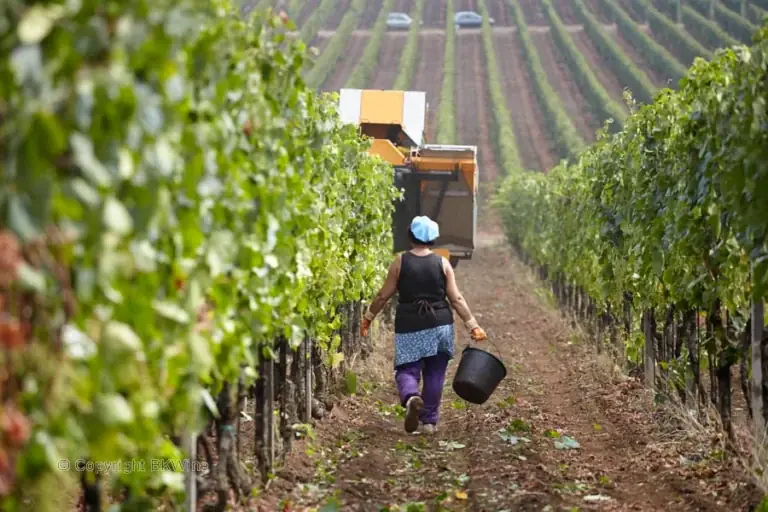
The intersection of agricultural necessity and peak tourism creates a complex logistical bottleneck known as the “Harvest Peak.” For the global viticultural estate, the weeks surrounding the grape pick represent the highest stakes of the fiscal year. It is a period defined by 24-hour labor cycles, heavy mechanical movement, and an influx of transient visitors drawn by the romanticism of the crush. However, for the professional traveler or the industry researcher, this convergence often results in “Sensory Saturation”—a state where the quality of the intellectual and hospitality experience is degraded by sheer volume.
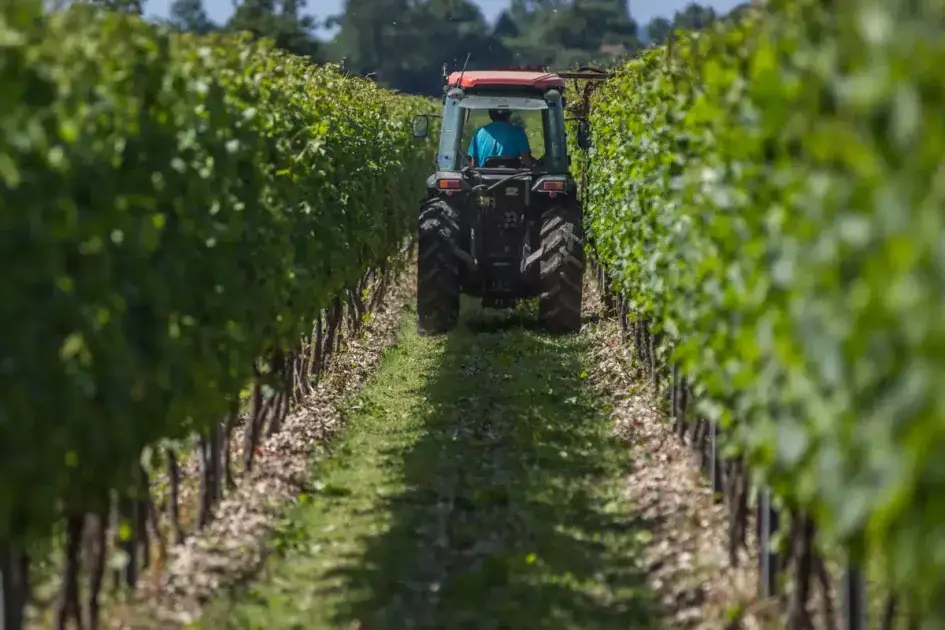
Managing a presence within a wine region during this period requires a shift from passive tourism to “Strategic Infiltration.” To navigate the landscape effectively, one must understand that the vineyard is currently a manufacturing floor, not merely a garden. The logistical friction caused by “over-tourism” during harvest does not just affect restaurant wait times; it impacts the very biology of the region, from increased carbon emissions of idling vehicles to the strain on local hydrological resources. Solving for these frictions involves a deep understanding of viticultural timing and regional topography.
As we analyze the dynamics of 2026, the industry is seeing a transition toward “Temporal Displacement” strategies. Sophisticated travelers are no longer looking for the center of the action; they are seeking the “Periphery of the Process.” By aligning one’s schedule with the physiological needs of the vine rather than the marketing calendar of the local tourism board, it becomes possible to witness the most critical moments of winemaking in relative isolation. This article serves as a definitive framework for deconstructing the peak-season bottleneck, offering a systemic approach to engagement that preserves both the traveler’s focus and the estate’s operational integrity.
Understanding “how to avoid harvest season crowds”
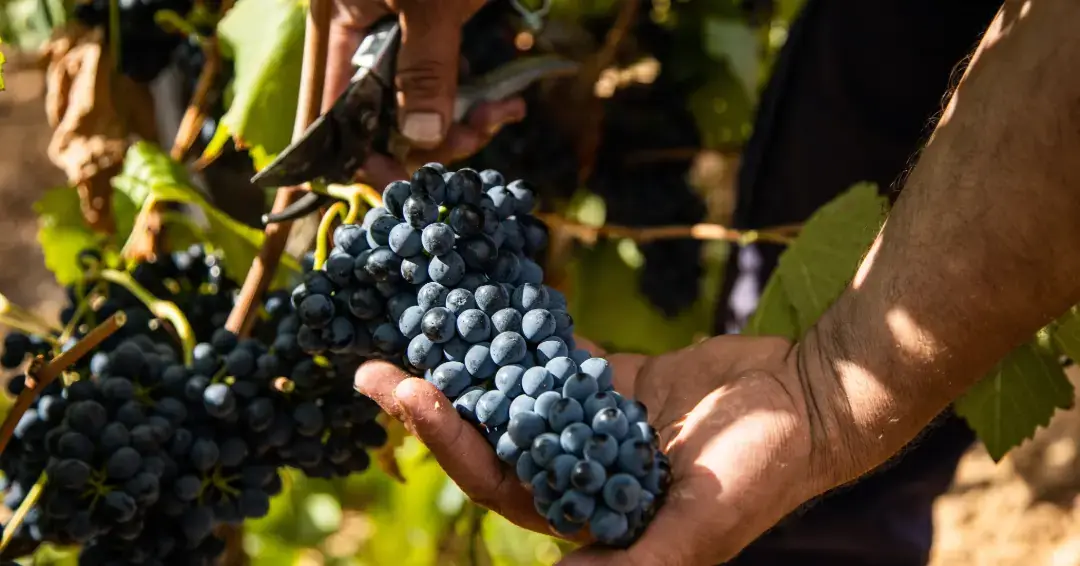
To accurately implement a plan for how to avoid harvest season crowds, one must first dismantle the prevailing misunderstanding that “off-peak” simply means “off-calendar.” In the context of premium viticulture, the “crowd” is a multi-dimensional phenomenon consisting of recreational tourists, seasonal laborers, and industrial transport. A strategy that ignores the industrial component will fail, even if the tourist volume appears low. For example, a quiet Tuesday morning in a Napa Valley floor vineyard may still be logistically impassable due to a concentrated mechanical harvest of Cabernet Sauvignon.
The primary oversimplification risk lies in the “Center-of-Gravity” fallacy. Most visitors congregate around “Iconic Estates” located on primary arterial roads. A professional engagement strategy utilizes “Radial Divergence,” focusing on high-altitude or “marginal” vineyard sites that harvest at different intervals due to thermal shifts. By understanding the “Thermal Gradient” of a valley, a visitor can find areas of high activity that remain physically isolated from the mass-market tourism clusters.
Authority in this sector is defined by the ability to predict “Biological Lag.” Not all grapes ripen at once. A plan that accounts for the ripening delta between a bottom-land Merlot and a high-altitude Petit Verdot allows for a “Rolling Engagement” schedule. This moves the visitor through the landscape in a way that parallels the pickers but never overlaps with the peak “Cellar Door” traffic. It is the difference between being a spectator in a crowd and being a participant in a timeline.
Historical and Systemic Evolution of the Harvest Bottleneck
The phenomenon of harvest crowding is a relatively modern industrial byproduct, evolving through three distinct phases:
1. The Industrial Isolation (Pre-1970s)
Historically, harvest was a closed-circuit event. Labor was local or migratory but invisible to the public. Wineries were strictly production facilities, and the idea of “harvest tourism” did not exist. Logistics were governed entirely by the weather and the sugar levels (Brix) of the fruit.
2. The Experiential Boom (1980s–2010s)
The global rise of “Lifestyle Oenology” transformed the winery into a theater. Marketing departments began synchronizing events with the pick, deliberately drawing crowds to the crush pad. This created a “Logistical Friction” where the needs of the winemaker (speed, sanitation) began to clash with the needs of the hospitality manager (access, storytelling).
3. The Controlled Immersion (Present–2026)
We are now in an era of “De-Congestion Modeling.” Top-tier estates are moving away from mass-access harvest festivals toward “Curated Micros-Exposures.” This involves using reservation data and ag-tech sensors to pulse visitors through the estate in a way that prevents “Sensory Overload” and maintains the hygiene standards required for modern fermentation.
Conceptual Frameworks and Mental Models
To master the avoidance of congestion, one must adopt the mindset of a viticulturist rather than a vacationer.
1. The “Varietal Ripening Delta.”
This framework uses the biological timeline of different grape varieties as a shield. In a typical Mediterranean climate, white varieties (Chardonnay, Sauvignon Blanc) are picked weeks before heavy reds (Syrah, Cabernet). By targeting the “White Wine Window,” a traveler can witness the intensity of the crush before the primary “Red Wine Crowd” arrives for the more famous varietals.
2. The “Acoustic-Industrial Buffe.r.”
A winery is loud. This model maps the “Noise-Shed” of an estate. To avoid crowds, one should seek lodging and meeting spaces that are “Physically Integrated but Acoustically Isolated.” This often means properties that utilize subterranean architecture or natural topographic barriers to block the sound of the tractors and the glycol chillers.
3. The “Elevation Inversion” Model
In many regions, hillside vineyards harvest later than valley floor sites due to cooler night temperatures. This mental model dictates a “Top-Down” approach: start your engagement at the highest elevations early in the season to observe the “Quiet Before the Pick,” then descend only as the lower valley begins to clear out.
Key Categories of Temporal and Spatial Strategy
Navigating the peak requires a taxonomy of choices based on the traveler’s specific goals.
| Category | Tactical Focus | Primary Benefit | Trade-off |
| The Pre-Brix Arrival | 10 days before pick | High access to winemakers | No active crushing to observe |
| The Marginal Frontier | Coastal or High-Altitude | 70% fewer tourists | Highly volatile weather |
| The Subterranean Stay | In-cave or Earth-bermed | Absolute acoustic privacy | Limited natural light |
| The Nocturnal Cycle | 10 PM – 4 AM | Witnessing a mechanical harvest | Disruption of the sleep-wake cycle |
| The Micro-Appellation | Specific sub-AVAs | Niche intellectual focus | Limited dining/service infrastructure |
Decision Logic: Immersion vs. Isolation
The choice depends on the “Interference Tolerance” of the group. If the goal is deep research, the Pre-Brix Arrival is superior because winemakers have the “Anxiety of the Wait” and are more willing to discuss technical specs. If the goal is sensory experience without the mass-market feel, the Marginal Frontier offers a rawer, more authentic connection to the land.
Detailed Real-World Scenarios and Operational Realities
The “Valley Floor” Bottleneck
In a prominent Napa AVA, three “Anchor Estates” are located within one mile of each other. During a heat spike, all three decide to pick on the same Tuesday. The result is a total failure of the local transport grid. A traveler using “Predictive Timing” would have identified the heat spike 72 hours prior and relocated to a hillside estate that, due to its aspect, would not be ready to pick for another 5 days.
The “Secondary-Fermentation” Window
Most crowds depart once the last bin of grapes is dumped. However, the most intellectually dense period—the “Press and Malolactic” phase—happens in the two weeks after the pick. By arriving during this window, the visitor avoids 90% of the harvest tourists while still experiencing the olfactory and chemical transformation of the cellar.
Planning, Cost, and Resource Dynamics
The economics of the harvest season are defined by “Peak-Surge Pricing.” Avoiding crowds often correlates with avoiding the highest costs, but it requires higher “Planning Lead-Times.”
| Resource | Peak Window Cost | Periphery Window Cost | Saving/Value Logic |
| Lodging | $800 – $1,500/night | $400 – $700/night | Temporal displacement savings |
| Expert Access | Unavailable/Public | Private/Technical | “Time-Wealth” of the staff |
| Transport | High (Ride-share surge) | Baseline | Reduced congestion idling |
| Dining | Reservations 3 months out | Walk-in potential | Improved service-to-guest ratio |
Opportunity Cost: The greatest cost of being in the crowd is “Information Loss.” In a crowded tasting room, the educator provides a scripted summary. In a quiet, off-peak environment, the same educator provides “Primary Source” data.
Tools, Strategies, and Support Systems
To successfully execute a “Crowd-Averse” engagement, one should utilize the following:
-
GDD (Growing Degree Day) Trackers: Publicly available ag-tech data that shows exactly how far along the grapes are in a specific zip code.
-
Topographic Mapping: Using 3D maps to find estates that are physically shielded from main roads.
-
Night-Vision Optics: For those observing the “Cold-Pick” (night harvesting) without the use of disruptive floodlights.
-
Acoustic Noise-Canceling Infrastructure: Identifying hotels that have “Industrial-Grade” soundproofing.
-
DTC (Direct-to-Consumer) Relationships: Contacting the estate’s “Wine Club Manager” rather than the general booking line to find “Quiet Windows.”
-
Satellite NDVI Imagery: Professional-grade imagery that shows canopy health and harvest progress across a whole valley.
Risk Landscape and Failure Modes
The primary risk of avoiding the peak is “Process Absence.”
-
The “Empty Cellar” Risk: Arriving too early or too late means you miss the sensory “Theater of the Ferment.”
-
Weather Volatility: In marginal regions, avoiding the crowd often means dealing with early rains or frost.
-
Service Contraction: Some smaller estates close their hospitality wings entirely during the most intense pick days to focus labor on the grapes.
-
The “Closed-Loop” Failure: Failing to account for local “Farm-to-Market” traffic. Even if the hotel is quiet, the road to it may be blocked by grape gondolas.
Governance and Long-Term Adaptation
For organizations that regularly visit wine regions, a “Stewardship Calendar” is essential.
The Strategic Checklist:
-
Monitoring: Track the “Bloom Date” in spring; this is the leading indicator for harvest timing.
-
Review Cycles: Post-harvest, analyze which AVAs felt the most congested and move them to the “Secondary Engagement” list for the following year.
-
Adjustment Triggers: If a heatwave is forecast 7 days out, trigger “Plan B” (relocation to higher altitude or coastal sites).
Measurement, Tracking, and Evaluation
Success is measured by the “Clarity of the Engagement.”
-
Leading Indicator: GDD (Growing Degree Days) relative to the 10-year average.
-
Lagging Indicator: The ratio of “Technical Notes” vs. “Marketing Notes” collected during the trip.
-
Qualitative Signal: The “Noise Floor.” A successful trip has a low ambient noise floor, indicating distance from industrial and tourist clusters.
-
Documentation: Keep a “Ripening Log” to build a private database of which sub-appellations offer the best “Isolation Windows.”
Common Misconceptions and Industry Myths
-
Myth: “The smell of harvest is always pleasant.”
-
Correction: In concentrated areas, the smell of fermentation and organic waste can be overpowering. Isolation provides the “Clean Air” necessary for professional tasting.
-
-
Myth: “You have to be there for the ‘First Pick’ to see the action.”
-
Correction: The “First Pick” is often the most chaotic and least informative. The “Mid-Season Rhythm” is more stable for observers.
-
-
Myth: “Hillside vineyards are always quieter.”
-
Correction: Because sound travels up, some hillsides act as acoustic “Amphitheaters” for valley floor noise.
-
-
Myth: “The crowd is only on the weekends.”
-
Correction: During harvest, Monday and Tuesday are often the busiest industrial days for the winery itself.
-
Conclusion: The Synthesis of Presence and Privacy
The art of navigating the viticultural peak is a study in “Spatial Intelligence.” We are moving away from an era where “being there” was enough; in 2026, the value is in “being there correctly.” By applying biological timing and topographic logic, one can engage with the world’s most prestigious estates during their most critical moments without the interference of the mass-market crowd.
The most resilient strategies for how to avoid harvest season crowds are those that treat the vineyard as a biological system rather than a tourist destination. When the visitor aligns their rhythm with the vine’s metabolism, the friction of the crowd disappears, replaced by a deep, uninterrupted connection to the craft of winemaking. This is the hallmark of the professional traveler: the ability to find silence in the center of the storm.