How to Avoid Peak Season Surcharge at Winery Resorts: 2026 Strategy
The economics of the global wine industry are inextricably linked to the biological cycles of the vine, a reality that dictates the pricing structures of hospitality assets situated on vineyard land. At winery resorts, “Peak Season” is not merely a marketing construct but a reflection of agricultural intensity. From the bud break of spring to the high-stakes drama of the autumn harvest, these properties experience a concentration of demand that triggers aggressive yield management strategies. For the traveler, these periods are characterized by “Peak Season Surcharges”—variable price increases designed to maximize RevPAR (Revenue Per Available Room) when the allure of the vineyard is at its zenith.
Navigating these financial peaks requires a sophisticated understanding of how hospitality inventory is managed against the backdrop of viticultural events. A surcharge is rarely a flat fee; it is often baked into the base rate via dynamic pricing algorithms that respond to real-time compression in the local market. To bypass these costs without sacrificing the essence of the experience, one must adopt a contrarian approach to the seasonal calendar. This involves identifying “Shoulder Windows” where the weather remains viable for viticulture, but the mass-market demand has subsided.
Effective cost management in this sector is as much about timing as it is about leverage. The modern winery resort operates within a complex ecosystem of wine club memberships, corporate retreats, and wedding cycles. Understanding the friction between these different demand drivers allows the informed guest to find gaps in the occupancy heat map. This article serves as a technical manual for deconstructing the “Peak Season” mythos, offering a framework for securing premium accommodations at their baseline value.
By 2026, the integration of predictive analytics in hotel management will have made surcharges more volatile and harder to predict through traditional means. However, the biological nature of the vineyard remains constant. By aligning one’s travel with the “Quiet Growth” phases of the vine, rather than the “Public Celebration” phases of the harvest, one can maintain fiscal discipline while enjoying a more intimate connection to the land.
Understanding “how to avoid peak season surcharge at winery resorts.”
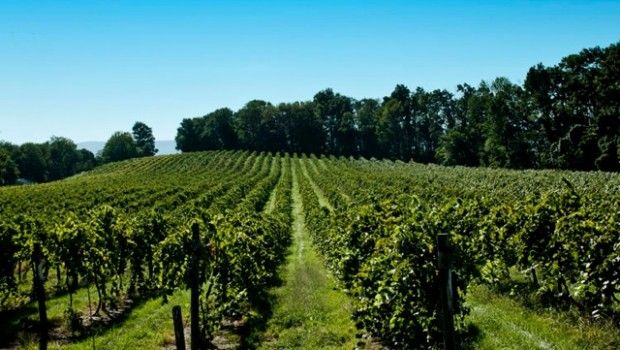
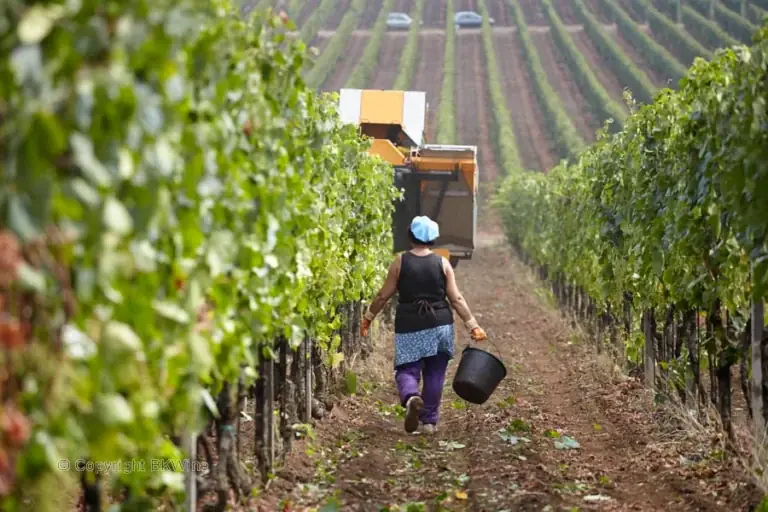
To master how to avoid peak season surcharge at winery resorts, one must first differentiate between “Climatic Peaks” and “Event Peaks.” A common misunderstanding is that the surcharge applies only when the weather is at its best. In reality, many resorts spike their prices during the harvest (late August to October in the Northern Hemisphere) not because the weather is optimal—it is often uncomfortably hot—but because the “Harvest Experience” is a high-status cultural event. Managing these costs requires the guest to decouple the desire for good weather from the desire to witness the harvest.
From a multi-perspective view, the surcharge is a protective measure for the resort. During peak periods, staff-to-guest ratios must be higher, and the wear and tear on the property increases significantly. When a guest seeks to avoid these fees, they are essentially opting into a lower-intensity service model. The risk of oversimplification here is believing that simply booking on a weekday will solve the problem. In established regions like Napa, Bordeaux, or the Barossa Valley, “Peak Season” can mean a three-month block where every day of the week carries a premium.
True authority in avoiding these premiums lies in “Micro-Seasonality.” For instance, the two-week window immediately following the completion of the harvest often sees a dramatic drop in rates, even though the autumn foliage is at its most spectacular. Similarly, the “Bud Break” period in early spring offers a visual spectacle of renewal, yet occupancy remains low compared to the summer months. By targeting these specific biological milestones, the traveler achieves a sophisticated circumvention of the pricing algorithm.
Historical and Systemic Evolution of Vineyard Pricing
The financial structure of winery hospitality has evolved from simple guest houses to complex, algorithmically-driven resorts.
1. The Era of “Agricultural Hospitality” (Pre-1980s)
Historically, staying at a winery was an informal arrangement. If a winery had rooms, they were often priced consistently year-round because the main revenue source was the wine itself. The concept of a “surcharge” was non-existent; price was a reflection of the room’s physical amenities, not the time of year.
2. The Rise of the “Destination Resort” (1990s–2010s)
As wine tourism became a global phenomenon, wineries began building dedicated luxury resorts. Pricing models were borrowed from the urban luxury hotel sector, introducing the concept of high and low seasons. Surcharges became standardized around holidays and the local harvest festivals.
3. The 2026 Era of Dynamic Compression
Today, pricing is managed by sophisticated Revenue Management Systems (RMS). These systems monitor local events—not just harvest, but also regional concerts, tech conferences, and wedding bookings at neighboring properties. The surcharge is now “Fluid,” meaning it can appear or disappear within hours based on regional supply and demand.
Conceptual Frameworks and Mental Models
To navigate the fluctuating rates of winery resorts, travelers should apply these strategic frameworks:
1. The “Dormancy Discount” Model
This model suggests that the highest value-to-cost ratio exists when the vines are dormant (winter). While the landscape is less “lush,” the resort’s interior amenities—fireplaces, wine cellars, and spas—remain at peak quality. The goal is to shift the experience from “Vineyard Observation” to “Interior Immersion.”
2. The “Inversion of Interest” Framework
Most travelers visit wineries to see the grapes. This framework suggests visiting when the “Work of the Winery” is happening in the cellar, rather than the field. Post-harvest (November/December) is a period of intense activity inside the winery as fermentation finishes, yet the resort rates usually plummet as the “outdoor” tourists flee the cooling weather.
3. The “RevPASH” Counter-Play
Resorts track Revenue Per Available Seat Hour in their restaurants. During peak season, they mandate half-board or set menus to maximize this. By visiting during “Off-Peak” periods, you not only avoid the room surcharge but also regain the freedom to orderà la carte, significantly reducing the “Total Cost of Stay.”
Key Categories of Seasonality and Financial Trade-offs
Decision Logic: The “Micro-Window” Selection
If your objective is to see the vineyard in full leaf but avoid the surcharge, the “Mid-May to Early June” window is the logical choice. The vines are vibrant, the danger of frost has passed, but the summer vacationers have not yet arrived. This is the “Value Sweet Spot” where biological beauty intersects with standard pricing.
Detailed Real-World Scenarios and Operational Realities
The “Wedding Buffer” Failure
A guest attempts to book a midweek stay in September, assuming they will avoid the surcharge. A Friday wedding booking triggers a resort-wide ‘Three-Night Minimum.’ This maneuver implements peak rates as early as Tuesday to flush the inventory and reserve the entire metabolic grid for the wedding party.
-
The Management Strategy: Always check the resort’s wedding calendar or look for “Blackout Dates” in their booking engine. If the midweek is unusually expensive, it is likely being “protected” for a larger group.
The “Regional Compression” Trap
Deceptive ‘Winter Rates’ often mask a total collapse of the local utility. Guests discover too late that the valley’s restaurants and tasting rooms have shuttered for the seasonal break, erasing the region’s value despite the low hotel entry cost.
-
The Management Strategy: Verify the “Ecosystem Availability.” Saving 40% on the room is negated if you must drive 30 miles to find an open kitchen.
The “Wine Club” Backdoor
A high-end resort in Stellenbosch has a 50% surcharge for the general public during February (South African harvest). Membership in the winery’s ‘Reserve Club’ secures access to ‘Legacy Rates,’ locking in pricing 12 months in advance to shield the guest from seasonal inflation.
-
The Management Strategy: Join the wine club before booking. Even with the cost of a quarterly wine shipment, the savings on a four-night stay often result in a net gain.
Planning, Cost, and Resource Dynamics
Avoiding surcharges is a logistical exercise in “Demand Arbitrage.”
The “Opportunity Cost” of Off-Peak: The primary cost of avoiding the surcharge is the “Visual State” of the vineyard. In winter, a vineyard looks like a field of dead sticks. If your “Experience” is dependent on the “Instagrammable” lushness of the vines, then the surcharge is an unavoidable cost of that specific aesthetic resource.
Tools, Strategies, and Support Systems
The sophisticated traveler uses these mechanisms to maintain baseline pricing:
-
Direct Communication with Revenue Managers: Unlike front desk staff, revenue managers have the authority to waive surcharges for longer stays or “fill-in” bookings that bridge the gap between two large groups.
-
Google Hotels “Price Tracking”: Setting alerts for specific date ranges allows you to see when the algorithm “breaks” or softens its stance on a particular week.
-
Local Industry Calendars: Monitor the local “Vintners Association” website. They list the exact dates of festivals; booking the week immediately preceding these events is often the most cost-effective way to see the region in top form.
-
“Reverse” Geography: If Napa is in peak season, consider the Southern Hemisphere (Mendoza, Central Otago), where the seasons are inverted.
-
Multi-Property Credit Cards: Utilizing points during peak season is one of the few ways to bypass the surcharge entirely, as “Point Redemptions” are often based on room category rather than dynamic cash pricing.
-
The “Sunday-Tuesday” Pivot: In winery regions within driving distance of major cities, the surcharge is often a “Weekend Premium.” Shifting your “Week” to start on Sunday afternoon can save hundreds.
Risk Landscape and Failure Modes
The “Cheap Stay” can often be a “Low Value” stay if certain risks are not managed.
-
The “Maintenance” Risk: Off-peak is when resorts perform heavy maintenance (roofing, painting, pool closures). Always ask: “Are all facilities fully operational during these dates?”
-
The “Frost” Risk: Visiting during the silver shoulder (spring) may mean you witness “Frost Protection” measures—loud wind machines or smudge pots that run all night, ruining the “quiet” vineyard experience.
-
The “Staffing” Risk: During deep off-peak, resorts may run on a “Skeleton Crew.” Room service might be limited, and the senior sommelier might be on vacation.
-
Compounding Risks: If you book an off-peak stay during a period of heavy vineyard “Spraying” (to prevent mildew), you may be restricted from walking through the vines for safety reasons.
Governance, Maintenance, and Long-Term Adaptation
To consistently avoid surcharges, one must treat vineyard travel as a “Cyclical Asset.”
The “Stay Governance” Checklist:
-
Audit the Date: Is this a local bank holiday, a harvest festival, or a neighboring tech conference?
-
Check the “Release” Cycle: When does the winery release its flagship wine? Resorts often spike prices for these “Release Weekends.”
-
Monitor the “Shoulder Drift”: As global climates shift, “Peak Season” is expanding. What was a safe “Shoulder” date in 2015 may now be “Peak” in 2026.
-
The Layered Review: Check the rate on the hotel site, then call the “Cellar Door” (tasting room). If the tasting room is quiet, the hotel might be more willing to negotiate.
Measurement, Tracking, and Evaluation
How do you evaluate the success of your cost-avoidance strategy?
-
Quantitative Signal: “The Surcharge Delta.” Compare your paid rate against the “Rack Rate” published for the following month’s peak. A success is a delta of >30%.
-
Qualitative Signal: “The Education Score.” Did you get to spend more than 30 minutes with a winemaker or senior staffer? In peak season, this is impossible. In off-peak, it is the standard.
-
Leading Indicator: “Availability Density.” If the resort’s online calendar shows wide-open availability for your dates, you have high leverage for a “Preferred Rate” or an upgrade.
Common Misconceptions and Industry Myths
-
Myth: “The harvest is the best time to visit.”
-
Correction: It is the busiest, loudest, and most stressful time for the winery. You will likely be ignored by the winemaking team.
-
-
Myth: “Winery resorts are always cheaper in the winter.”
-
Correction: Not if the resort has a high-end spa or is located near a ski hub. The “Wine” might be off-season, but the “Wellness” is in peak.
-
-
Myth: “I can always get a walk-in discount.”
-
Correction: Modern winery resorts are often part of larger luxury groups that forbid walk-in discounting to maintain brand “Price Integrity.”
-
-
Myth: “The surcharge is only for the room.”
-
Correction: It is systemic. Expect higher prices for car rentals, local tours, and even dinner reservations in the surrounding town.
-
Ethical and Practical Considerations
There is a practical trade-off between “Cost Saving” and “Supporting the Region.” The surcharge during peak season often funds the winery’s ability to remain open during the lean winter months. However, for the guest, the ethical consideration is “Impact.” Shoulder-season visits alleviate the pressure on local infrastructure—water, traffic, and waste—while stabilizing the revenue stream for staff who otherwise endure the chaotic depletion of the harvest rush.
Conclusion: The Synthesis of Timing and Value
Successfully identifying how to avoid peak season surcharge at winery resorts requires a transition from being a “Tourist” to being a “Student of the Vine.” It is a rejection of the “Event-Driven” travel model in favor of a “Process-Driven” one. By understanding that the vineyard is a living, breathing entity that offers beauty in every stage of its cycle—from the stark geometry of winter pruning to the frantic energy of the crush—the traveler unlocks a world of luxury that is fiscally responsible.
The most profound vineyard experiences emerge during the quiet intervals between the surges of the crowd. These pauses reveal the estate’s true character, undistorted by the noise of mass tourism. When the surcharge disappears, the barriers between the guest and the land also dissolve. In 2026, where “Authenticity” is the ultimate luxury, the off-peak stay is not just a way to save money; it is the only way to truly hear what the terroir has to say.